
Why Is My Hot Water Running Out? Water Heater Troubleshooting and When to Call a 24/7 Plumber
.avif)

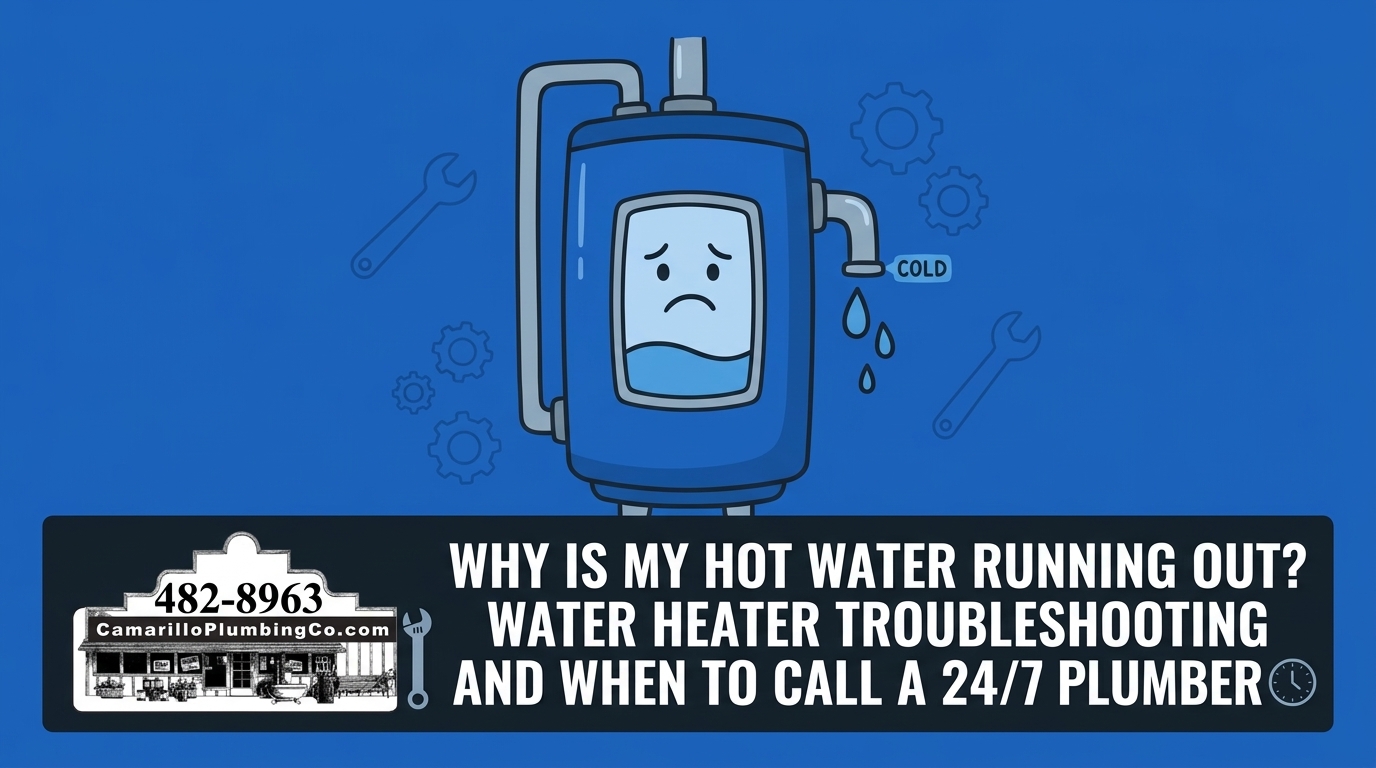
Is Your Water Heater Struggling to Keep Up This Fall?
Have you noticed your morning showers turning lukewarm much faster than they did just a few weeks ago? When you are looking for home maintenance tips and troubleshooting, sudden changes in your hot water supply are usually the first sign of a larger plumbing issue. As we head into mid-fall and October brings cooler weather to the coast, plumbing systems that worked perfectly all summer suddenly start showing their vulnerabilities. Recognizing these early warning signs can help you avoid sudden, total system failures that leave your household shivering.
Addressing a struggling tank early often means the difference between scheduling a simple tune-up and facing a midnight crisis that requires emergency plumbing services.
The Hidden Strain of Seasonal Shifts: Most homeowners do not realize that their water heater operates under completely different conditions depending on the time of year. During the summer, the municipal water entering your home is already relatively warm, meaning your system requires less energy and time to heat it to your desired temperature. However, as the seasons change, that baseline temperature shifts. Your equipment is suddenly forced to work longer cycles, burning more fuel or using more electricity just to provide the exact same amount of hot water.
Early Warning Signs vs. Sudden Failure: A water heater rarely fails without giving you a few subtle hints first. Shorter heating cycles, inconsistent temperatures at the faucet, and unusual noises from the utility closet are all indicators that the system is under stress. If you ignore these early symptoms, the internal components continue to degrade under the increased workload. By the time mid-fall arrives, a system that was barely hanging on during the warmer months can easily buckle under the new thermal demands, leading to leaks, total loss of hot water, or a complete tank rupture.
How Camarillo's Hard Water Accelerates Plumbing Wear
To understand why your plumbing system behaves the way it does, you have to look at the water flowing through it. Local groundwater hardness is a year-round issue in Camarillo, but its destructive effects compound heavily with seasonal weather changes.
What Makes the Local Water Supply So Hard?
The municipal water supply in our region relies heavily on groundwater sources. As water travels through underground rock formations, it naturally absorbs high levels of dissolved minerals—specifically calcium and magnesium. While these minerals are perfectly safe for drinking and daily use, they are incredibly harsh on residential plumbing systems. This high mineral concentration is what we refer to as "hard water," and it is the hidden culprit behind many premature fixture failures.
How Does Mineral Precipitation Damage the Tank?
When hard water enters your water heater, a chemical reaction occurs. As the burner or heating element raises the temperature of the water, the dissolved calcium and magnesium separate from the liquid in a process called mineral precipitation. These solid mineral particles are heavier than water, so they naturally sink and settle at the bottom of your tank. Over months and years, this continuous process creates a thick, rock-like layer of scale inside the unit.
Why Does Scale Act as an Insulator?
This sediment layer causes severe operational problems because it settles directly between the heat source and the water you are trying to heat. In a gas unit, the burner sits at the bottom of the tank; in an electric unit, the lower heating element is submerged near the base. The mineral buildup acts exactly like a heavy blanket of insulation. Instead of transferring heat efficiently into the water, the system must first heat the thick layer of rock. This forces the unit to run longer, consume more energy, and subject the tank's metal bottom to extreme, localized temperatures.
When Do These Effects Become Noticeable?
The dangerous part of sediment buildup is that it happens continuously and silently. You might lose a fraction of an inch of tank capacity every month, which goes entirely unnoticed during the summer when the system does not have to work very hard. However, once the unit is pushed to its absolute limits by colder incoming water, that loss of efficiency and capacity becomes glaringly obvious. The tank simply cannot heat water fast enough to keep up with your household's demand.
Why October Temperature Drops Trigger Water Heater Strain
While deep freezes are rare in our coastal climate, the distinct drop in autumn nighttime temperatures is more than enough to shock a sediment-filled water heater. The transition into mid-fall is the most common time for these systems to fail.
The Drop in Incoming Water Temperatures: As nighttime temperatures begin cooling in October, the soil holding the underground municipal water lines cools down as well. Consequently, the water entering your home's plumbing system is significantly colder than it was in July or August. Your water heater's job is to raise the incoming water temperature to your thermostat setting—usually around 120 degrees Fahrenheit. The colder the starting water, the larger the temperature gap the system must bridge.
The Physics of Thermal Strain: This increased temperature gap creates massive thermal strain. The water heater must expend significantly more energy and run for much longer periods to heat this colder incoming water. The metal tank expands and contracts during these extended heating cycles. If the tank is already compromised by years of hard water sediment, the metal is subjected to uneven heating. The bottom of the tank gets incredibly hot trying to push heat through the mineral layer, while the upper portions remain cooler.
Rapid Hot Water Depletion: A tank that is heavily layered with sediment actually holds less physical water than its rated capacity. If you have a 50-gallon tank with 10 gallons of solid scale displaced at the bottom, you only have 40 gallons of usable capacity. Combine this reduced capacity with the extended time it takes to heat colder October water, and the result is rapid hot water depletion. Your system simply cannot recover fast enough during a morning shower routine. This combination of sediment displacement and thermal strain is a leading cause of premature tank failure and stress fractures during the cooler months.
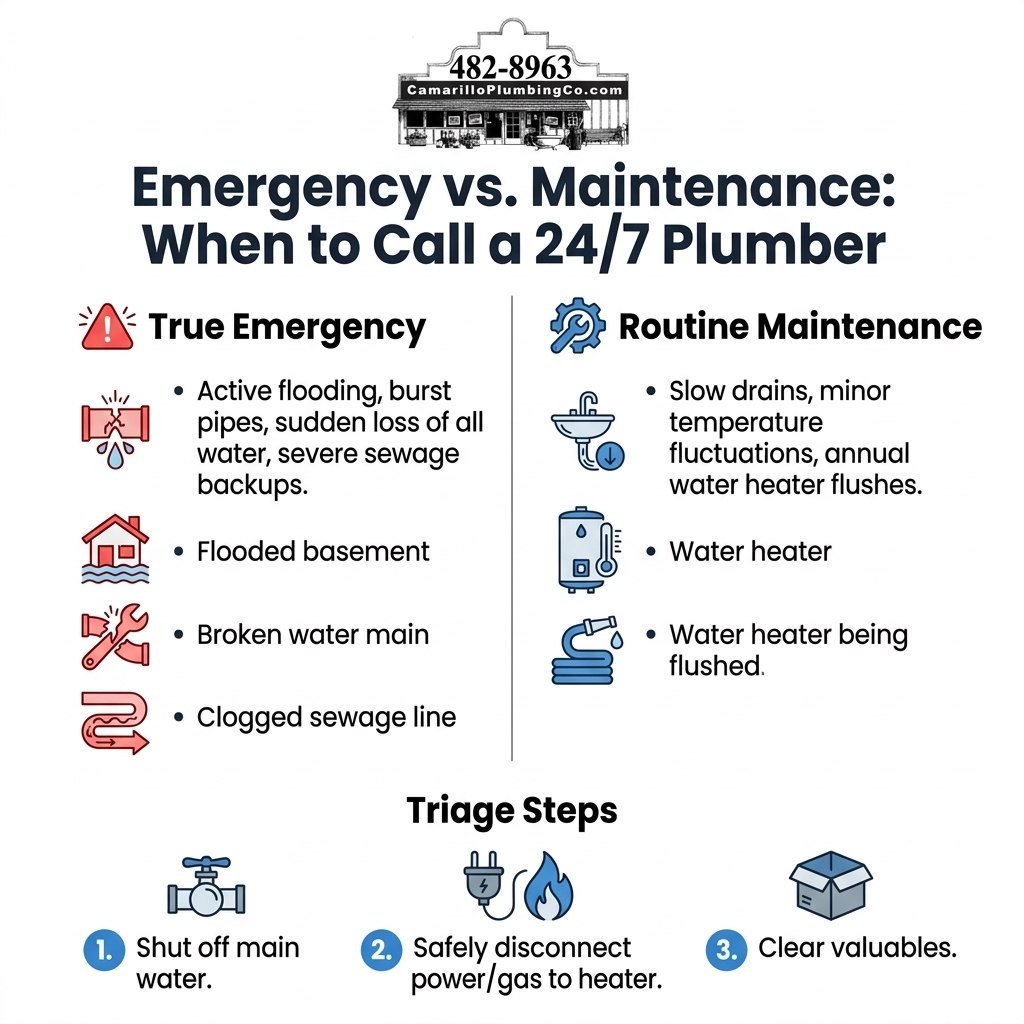
Identifying True Plumbing Emergencies vs. Routine Maintenance
Knowing how to triage a plumbing situation can save you from unnecessary panic and structural damage to your home. It is vital to understand when a situation escalates from a standard maintenance task to an urgent crisis.
• Active flooding or burst pipes — Classification: True Emergency — Required Action: Shut off main water immediately; call for 24/7 service.
• Slow draining sinks or tubs — Classification: Routine Maintenance — Required Action: Schedule a standard drain clearing appointment.
• Sudden loss of all water pressure — Classification: True Emergency — Required Action: Verify with neighbors, then call a professional immediately.
• Minor temperature fluctuations — Classification: Routine Maintenance — Required Action: Monitor the system and schedule a preventative inspection.
• Raw sewage backing up into drains — Classification: True Emergency — Required Action: Stop all water usage; requires immediate sanitation response.
• Water heater needs an annual flush — Classification: Routine Maintenance — Required Action: Book a standard preventative maintenance visit.
When a true crisis hits, local Camarillo plumbers are equipped to respond immediately, day or night. Working with a dedicated local team means you get genuine 24/7 availability and rapid response times, ensuring that true emergencies receive the immediate attention required to protect your property.
However, scheduling proactive maintenance for minor issues is the best way to prevent them from turning into 3:00 AM disasters. If you notice your system exhibiting the routine maintenance symptoms listed above, taking action on a weekday schedule allows technicians to resolve the underlying problem before a critical component snaps under pressure.
Signs Your Water Heater Needs Immediate Maintenance
If you catch the warning signs early enough, you can often save the unit before it requires a full replacement. By mid-fall, be on the lookout for these specific symptoms that indicate your system is struggling against sediment and thermal strain.
• Popping or rumbling noises: If your tank sounds like a percolating coffee pot or makes loud banging noises, this is a severe warning sign. The sound is actually boiling water trapped underneath the heavy layer of sediment at the bottom of the tank. As the steam bubbles force their way up through the mineral crust, they create a distinct popping sound.
• Rusty or discolored hot water: If the cold water runs clear but the hot water looks brown, rusty, or muddy, the inside of your tank is actively corroding. This means the protective anode rod has likely failed, and the structural integrity of the metal tank is compromised.
• Sudden drops in hot water duration: As discussed, losing your hot water capacity rapidly usually points to massive sediment displacement or a failed lower heating element that is buried in scale.
• Visible moisture or pooling water: Any water pooling around the base of the unit is cause for immediate concern. While it could be a loose fitting or a dripping pressure relief valve, it often indicates a microscopic fracture in the tank itself. Once a tank fractures, it cannot be repaired.
• A sudden spike in utility bills: If your habits have not changed but your gas or electric bills are climbing, your water heater is likely running constantly just to maintain its baseline temperature through a thick wall of mineral buildup.
If you spot any of these symptoms, we strongly recommend scheduling professional water heater repair immediately. Never attempt DIY repairs on pressurized, electrical, or gas-fueled systems. Opening a sealed tank or adjusting gas valves without proper licensing can lead to catastrophic property damage or severe injury.
Essential Triage: What to Do While Waiting for Help
If a plumbing disaster strikes your Camarillo home, the minutes before a professional arrives are critical. Taking the right safe, immediate actions can mitigate thousands of dollars in water damage.
1. Locate and turn off the water supply: Your first priority is to stop the flow of water. If the leak is isolated to the water heater, locate the cold water shutoff valve directly above the unit and turn it clockwise until it stops. If a pipe has burst elsewhere or you cannot access the heater safely, locate your home's main water shutoff valve (usually near the street meter or where the main line enters the house) and shut off water to the entire property.
2. Safely disconnect the power source: Only do this if you can access the controls without standing in water. For an electric water heater, go to your home's main electrical panel and flip the dedicated breaker to the "off" position. For a gas water heater, turn the gas isolation valve on the line leading to the unit so the handle is perpendicular to the pipe. This stops the unit from trying to heat an empty tank, which can cause severe damage.
3. Clear the immediate area of valuables: Move boxes, furniture, rugs, and any electronics away from the pooling water. The faster you remove these items, the less secondary water damage you will have to deal with later.
4. Avoid using other plumbing fixtures: Interconnected drainage systems can quickly worsen backups. If you have a severe drain clog or a suspected main line issue, flushing a toilet upstairs can push raw sewage out of a shower drain downstairs. This is similar to the precautions you must take when learning how to fix and prevent a kitchen sink clog—adding more water to a compromised system only creates a larger mess.
Frequently Asked Questions About Emergency Plumbing and Water Heaters
Why am I running out of hot water faster in the fall?
Incoming municipal water temperatures drop significantly as the weather cools in the fall. This forces your water heater to work much harder to raise the water to your set temperature. If your tank has sediment buildup from local hard water, that mineral layer acts as insulation, further reducing efficiency and physical tank capacity, which causes your hot water to deplete rapidly.
Is a leaking water heater a plumbing emergency?
Yes, active leaks can cause severe property damage and require immediate professional attention. A leak often indicates that the internal steel tank has fractured due to corrosion or thermal stress. You should immediately shut off the cold water supply valve above the unit and call a 24/7 professional to prevent catastrophic flooding in your utility area or garage.
How does hard water affect my plumbing?
Minerals precipitate out of the water and coat the inside of your pipes, fixtures, and appliances with a hard scale. Over time, this calcium and magnesium buildup reduces the internal diameter of your pipes, lowers your overall water pressure, and drastically accelerates the wear and tear on moving components like valves and faucet cartridges.
What is considered a plumbing emergency?
Any situation involving uncontrollable water flow, risk of structural damage, or severe sanitation risks is a true emergency. This includes burst pipes, active flooding, sudden loss of all household water, or raw sewage backing up into your sinks or bathtubs. These situations require immediate triage and a rapid response from a licensed professional.
How often should you flush a water heater?
We recommend an annual professional flush and comprehensive inspection for most residential systems. However, homes in areas with very hard water may require more frequent professional servicing to keep mineral scale from calcifying at the bottom of the tank and destroying the heating elements.
Do local homes need special water heater maintenance?
Due to specific regional groundwater conditions in Camarillo, proactive sediment management is absolutely critical for extending the lifespan of your unit. Without regular professional flushing to remove the heavy calcium and magnesium deposits, local water heaters often suffer premature failure long before their expected manufacturer lifespan.
Protect Your Home's Plumbing Before Winter Arrives
Understanding local water conditions and how October temperature changes affect your equipment is the key to explaining why plumbing systems suddenly underperform. Professional preventative maintenance is always your best defense against unexpected breakdowns and middle-of-the-night panic. Do not wait for your system to fail entirely. Schedule a comprehensive inspection and flush today to ensure your water heater is fully prepared for the colder months ahead, and rely on the experts for any necessary general plumbing repairs before winter truly sets in.
hear what our satisfied clients have to say