


Water Filtration Systems in Camarillo, CA
.avif)

Clean, reliable water is essential for health, appliances, and everyday comfort in Camarillo homes and businesses. Water Filtration Systems in Camarillo, CA explains whole-home and point-of-use solutions, common contaminant removal, system selection and sizing, the professional installation process, routine maintenance, certifications and warranties, cost considerations, and how Camarillo Plumbing supports residential and commercial customers across Ventura County.
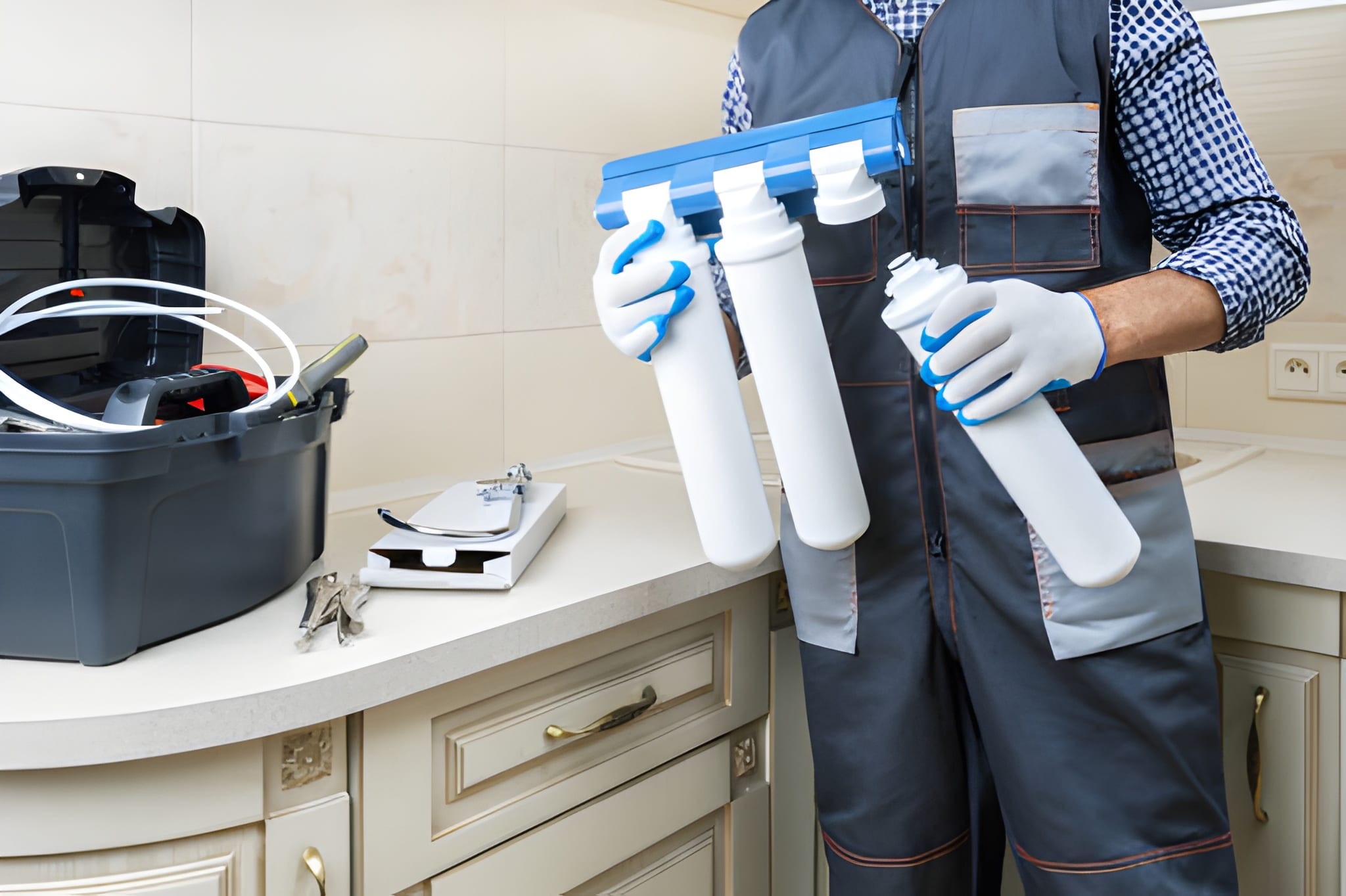
Why water filtration matters in Camarillo
Local water supplies can carry chlorine for disinfection, visible sediment, fine particulates from aging pipes, and trace minerals that affect taste and appliance life. Coastal proximity and agricultural activity in the region can introduce additional sediment, iron, or organic compounds. Proper filtration:
- Improves drinking water taste and odor
- Reduces chlorine and sediment that wear on water-using appliances
- Lowers health and aesthetic concerns from bacteria and particulates at specific points of use
- Cuts reliance on bottled water and reduces plumbing maintenance
Common types of systems and what they remove
Understanding system types helps match capabilities to household or business needs.
Whole-home sediment filters
- Primary use: protect plumbing and appliances by removing sand, rust, and large particulates.
- Best placed at the main water line to prevent clogging and damage downstream.
Carbon (activated carbon) filters
- Removes chlorine, chloramine (to varying degrees), volatile organic compounds (VOCs), and improves taste/odor.
- Used both whole-home and under-sink; effective at improving shower and tap water quality.
Reverse osmosis (RO) systems
- Point-of-use solution for drinking and cooking water.
- Removes dissolved solids, heavy metals, fluoride, and many contaminants that carbon filters miss.
- Typically installed under a kitchen sink with a dedicated faucet.
Specialty filters (UV, iron/manganese, catalytic carbon)
- UV disinfection targets bacteria and viruses for properties with microbiological concerns.
- Iron/manganese filters and catalytic carbon address local mineral issues when present.
Benefits for Camarillo homes and businesses
- Better tasting, safer drinking water at the tap and in appliances
- Fewer mineral deposits in water heaters, dishwashers, and coffee makers
- Reduced skin and hair irritation from chlorine and chemical byproducts
- Extended life for plumbing fixtures and reduced maintenance costs
- Improved confidence in water used for food preparation and commercial processes
Choosing the right system: selection and sizing
Selection depends on water quality, household flow needs, and budget considerations.
- Start with a water test: Identify chlorine levels, hardness, pH, sediment load, and any iron or bacterial presence. Camarillo Plumbing recommends testing both municipal and well sources when applicable.
- Match solution to need:
- Whole-home sediment + carbon if the priority is taste and protecting appliances.
- Whole-home with a dedicated RO for drinking water when low dissolved solids are desired.
- UV added if bacterial contamination is detected.
- Size by flow rate and household demand:
- Whole-home filters are rated by gallons per minute (GPM). Choose units with sufficient peak flow for showers, irrigation, and simultaneous fixtures.
- Point-of-use RO systems are sized by daily output (gallons per day) and tank capacity.
- Account for installation space, existing plumbing layout, and local water pressure.
Professional installation process
A proper install ensures performance and longevity.
- On-site evaluation and water sample review to confirm system choice.
- Pre-install prep: shutoff, pressure check, and routing plan for piping and drain lines (for RO systems).
- Installation of whole-home systems at the main shutoff or meter and point-of-use units where needed.
- System commissioning: pressure and leak checks, flushing, and verification of flow rates and water quality.
- Owner orientation on system operation, filter locations, and maintenance schedule.
Camarillo Plumbing follows industry best practices during installation to protect plumbing warranties and ensure code compliance.
Routine maintenance and filter replacement schedules
Maintenance keeps performance and water quality consistent.
- Sediment pre-filters: inspect every 3–6 months; replace or backwash as needed.
- Carbon filters: typically replaced every 6–12 months depending on usage and contaminant load.
- RO membranes: usually replaced every 2–5 years based on water quality and production demands.
- UV lamps: replace annually to maintain disinfection effectiveness.
- Annual system check: evaluate seals, pressure, and filter condition; test water quality after maintenance.
Documented maintenance preserves warranties and avoids premature component failure.
Certifications, warranties, and quality assurances
Look for systems and components certified by recognized bodies (such as NSF) for contaminant-specific claims. Certified products confirm performance for specific contaminants like chlorine reduction or particulate removal. Reputable installers provide clear warranties on workmanship and guidance on product warranties so residential and commercial customers understand coverage.
Typical cost factors and financing options
Costs vary by system type, capacity, and installation complexity. Factors that influence price include:
- System type (whole-home vs point-of-use vs combination)
- Required pre-treatment (water softening, iron removal)
- Labor complexity (accessibility, retrofit vs new install)
- Component quality and certifications
Financing and payment options commonly available from professional plumbing providers include payment plans, financing through third-party lenders, and phased installations to spread cost over time. Discussing needs with a licensed installer helps identify the most cost-effective configuration for long-term value.
Support for residential and commercial customers in Camarillo
Camarillo Plumbing supports single-family homes, multi-unit properties, restaurants, medical offices, and other commercial sites. Commercial installations focus on flow demands, code requirements, health standards, and the need for redundancy. For homes, recommendations prioritize cost, convenience, and ease of maintenance tailored to local water characteristics.
Maintenance tips to maximize system life
- Keep a service log with filter change dates and water test results.
- Flush new systems before use and after any plumbing work.
- Protect filters from freezing temperatures and direct sun exposure.
- Monitor for changes in taste, odor, or pressure as early warnings of needed service.
Frequently asked questions
Q: How do I know whether I need a whole-home system or a point-of-use system?
A: If you want to protect appliances, plumbing, and improve shower and laundry water, choose a whole-home system. If your primary concern is drinking or cooking water quality, a point-of-use RO or under-sink filter may be sufficient. A combined approach is common for comprehensive protection.
Q: How often should filters be replaced in Camarillo?
A: Replacement frequency depends on contaminant levels and usage. Sediment filters often need attention every 3–6 months, carbon filters every 6–12 months, and RO membranes every 2–5 years. Local water tests refine these intervals.
Q: Are UV systems necessary for homes on municipal water in Camarillo?
A: Most municipal systems have effective disinfection, but UV is recommended when water testing finds bacterial issues, if there is intermittent contamination, or for properties with private wells.
Q: Will a filtration system remove hard water minerals?
A: Standard filtration (sediment, carbon, RO) reduces some dissolved solids but does not act as a water softener. For scale prevention and appliance protection from hardness, a dedicated water softener or conditioner is appropriate.
Q: What certifications should I look for in components?
A: Look for NSF or equivalent certifications for specific contaminant reduction claims (e.g., chlorine, particulate, lead). Also confirm installer workmanship warranties and product warranties for peace of mind.
hear what our satisfied clients have to say