
Sewer Line Replacement in Camarillo, CA
.avif)

A failing sewer line is one of the most disruptive plumbing problems a home or business can face. Sewer Line Replacement in Camarillo, CA addresses chronic backups, collapsed or offset pipes, severe root intrusion, and aging infrastructure so your property returns to safe, reliable service. Camarillo Plumbing brings decades of local experience diagnosing the true cause, recommending the right replacement method, and restoring yards and driveways with care suited to Ventura County conditions.
When replacement is necessary
Common sewer line replacement issues in Camarillo, CA include:
- Chronic backups and repeated repairs that indicate widespread or recurring structural failure.
- Collapsed or severely offset pipe from ground movement, aging clay lines, or corrosion.
- Severe root intrusion from mature trees common in the area (eucalyptus, ficus) that have compromised pipe integrity.
- Pipes installed before modern standards (older vitrified clay or cast iron lines) that are corroded, cracked, or failing at joints.
Signs you may need replacement: persistent sewage odors, slow or multiple drain backups, lush patches of lawn over the sewer route, sinkholes or depressions, and visible cracks in driveways or sidewalks. In Camarillo, seasonal heavy rains and local soil types can accelerate settling and joint separation, making early diagnosis important.
Diagnostic steps: inspect before you replace
A carefully documented diagnosis avoids unnecessary work and identifies the proper solution:
- Video sewer camera inspection to locate cracks, offsets, root intrusions, collapses, and joint failures. The camera run provides a visual report to plan replacement.
- Locating and mapping of the lateral route, depth, and materials. This includes electronic locating of the sewer line and marking public right-of-way limits.
- Scope assessment that evaluates whether spot repair, trenchless replacement, or open-trench replacement is required. Hydro-jetting may be used as a diagnostic tool to confirm flow improvements or to remove debris before camera inspection.
These steps are standard practice in Camarillo Plumbing’s approach to ensure the replacement method matches the problem.
Trenchless replacement vs open-trench excavation
Two general approaches are used for Sewer Line Replacement in Camarillo, CA:
Trenchless methods
- Pipe bursting: the existing pipe is fractured and a new pipe pulled through the old line. Good for full-line replacement where the existing alignment is intact enough to pull through.
- Pipe lining (cured-in-place pipe, CIPP): a resin-saturated liner is inverted or pulled into place and cured, creating a seamless new pipe inside the old one. Best when the host pipe is structurally present but leaking or corroded.
Benefits of trenchless:
- Minimal disruption to lawns, landscaping, driveways, and irrigation systems common in Camarillo yards.
- Typically faster on-site work and less heavy excavation.
- Reduced need for large restoration projects.
Limitations: trenchless may not be possible for completely collapsed or heavily offset pipes, or where extreme root masses prevent insertion.
Open-trench excavation
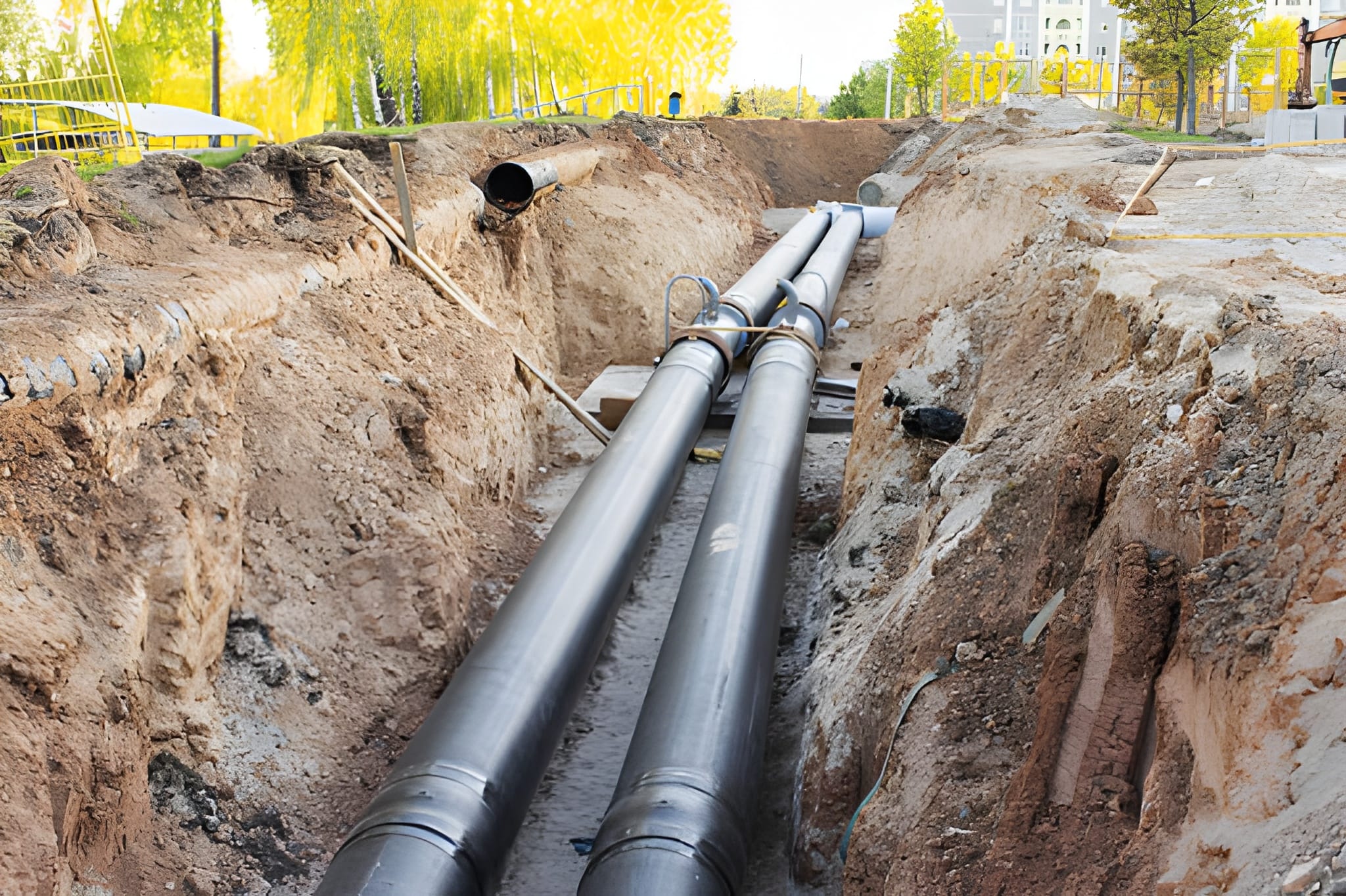
- Traditional method involving digging a trench along the pipe route, replacing the pipe, reconnecting laterals, and backfilling.
- Preferred when the pipe is fully collapsed, severely misaligned, or when local conditions require direct access for repairs.
Open-trench is more invasive but sometimes necessary for complex failures or when precise re-grading is required.
Replacement process and timeline
Typical replacement process:
- Pre-inspection and planning based on camera findings and locating.
- Permits and utility locates with local jurisdictions and underground services.
- Site preparation: protecting landscaping, identifying access points, and setting up containment.
- Execution:
- Trenchless: set up pit(s), perform pipe bursting or lining, pressure test, and reconnect laterals.
- Open-trench: excavate, remove old pipe, install new pipe and fittings, perform leak and pressure testing.
- Backfill, compaction, and final grading.
- Site restoration: replanting, hardscape repair, and final cleanup.
On-site work can range from a single day to several days depending on method, pipe length, complexity of laterals, and required restoration. Permit lead times and utility clearances can extend the overall project schedule.
Site restoration, permits, and safety
- Restoration: Proper compaction is critical to prevent future settling. Pavement and concrete repairs follow local code compaction requirements. Landscaping restoration should consider replacing invasive tree species and installing root barriers if needed.
- Permits: Most replacements require municipal or county permits and inspections. Replacements affecting the public right-of-way or requiring street cuts have additional permitting and traffic control requirements.
- Safety: Open trenches require shoring, competent-edge protection, and traffic management. Confined-space and environmental precautions are followed for worker and homeowner safety.
Camarillo Plumbing works within Ventura County and City of Camarillo permitting processes and adheres to applicable safety standards.
Cost factors, financing, and warranties
Typical cost factors include:
- Length and depth of the sewer run and number of laterals to reconnect.
- Pipe material selected (PVC, HDPE, CIPP lining resin) and accessibility.
- Soil conditions, groundwater, and presence of mature root systems.
- Extent of surface restoration (concrete, landscaping, driveways) and any public right-of-way work.
- Permitting, traffic control, and inspection fees.
Financing options and payment plans are commonly available for major replacements, and warranties vary by material and method. Lining systems often carry manufacturer warranties on the cured material, while workmanship warranties cover installation. Documenting warranties and maintenance expectations is important for long-term protection.
Aftercare and prevention tips
- Schedule periodic sewer camera inspections every few years or after major root control work.
- Use targeted hydro-jetting maintenance to remove debris before it causes blockages.
- Avoid flushing wipes, grease, and sediments that accelerate failure.
- Manage landscaping: replace invasive species and install root barriers near sewer routes.
- Keep accurate records of repairs, depth, and material for future maintenance.
Regular preventive maintenance and early diagnosis can extend the life of your sewer system and prevent disruptive emergency repairs.
Q: How do I know if trenchless replacement is an option for my Camarillo property?
A: A video sewer camera inspection and locating are required to evaluate alignment, collapse, and root intrusion. If the host pipe is present and there is continuous access, trenchless methods are often viable.
Q: How long does a typical sewer line replacement take?
A: On-site work varies from one day for short trenchless runs to several days for longer or open-trench projects. Permit turnaround and restoration needs can lengthen the overall timeline.
Q: Will my landscaping and driveway be restored after replacement?
A: Yes. Proper restoration includes compaction, grading, and repair of hardscapes. Trenchless methods minimize restoration; open-trench work requires more extensive repairs.
Q: Are permits always required for sewer line replacement in Camarillo?
A: Most replacements require city or county permits and inspections, especially if work involves public right-of-way or street cuts.
Q: What maintenance prolongs the life of a new sewer line?
A: Regular inspections, hydro-jetting as needed, avoiding flushable wipes and grease, and controlling aggressive tree roots help maintain long-term performance.
Q: How long will a new sewer line last?
A: Lifespan depends on materials and installation: modern materials and proper installation can provide decades of service, while warranties cover specific expectations for materials and workmanship.
hear what our satisfied clients have to say