

Reverse Osmosis in Camarillo, CA
.avif)

Reverse osmosis (RO) is one of the most effective ways to reduce dissolved solids, taste and odor issues, and many health-related contaminants from drinking water. In Camarillo, CA, where groundwater and municipal supplies can carry minerals, agricultural runoff traces, and seasonal chlorine tastes, an RO system delivers consistently better-tasting, lower-mineral water at the tap. Camarillo Plumbing installs and services residential and light commercial RO systems tailored to local water conditions, helping homes and businesses get the performance they need from either point-of-use or whole-home configurations.
How RO technology works and what it removes
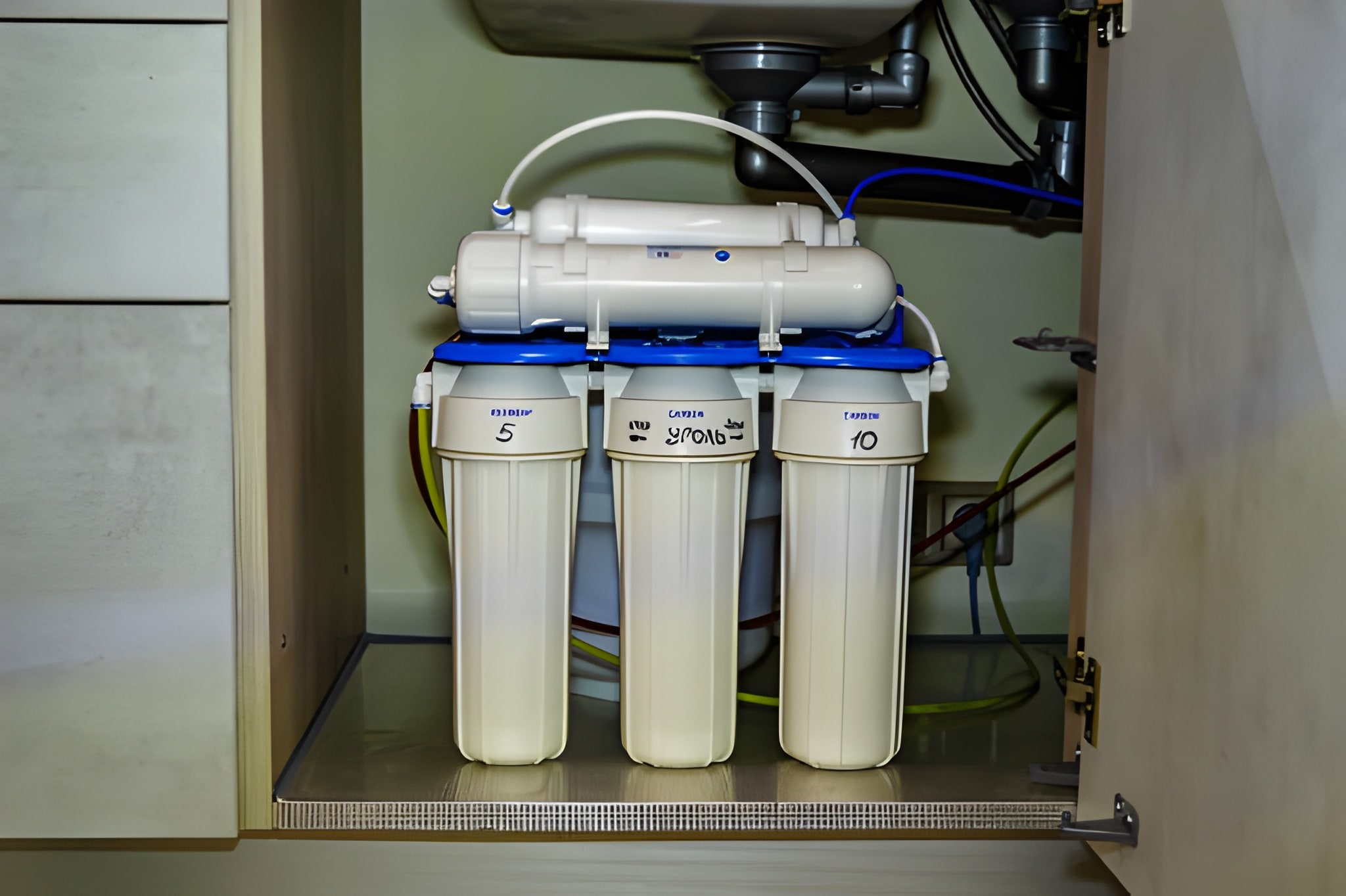
RO pushes water through a semipermeable membrane that blocks dissolved salts, most heavy metals, and many organic contaminants while allowing purified water to pass to the storage tank. Typical contaminants reduced by RO systems include:
- Total dissolved solids (TDS) such as calcium and magnesium (hardness minerals)
- Nitrates and nitrites
- Lead and other heavy metals
- Chloride, fluoride, and some pesticides
- Some volatile organic compounds when paired with carbon pre- or post-filters
RO systems are often combined with pre-filters (sediment and activated carbon) to protect the membrane and post-filters (carbon polishing) to improve taste.
Point-of-use vs whole-home RO: choosing the right setup
- Point-of-use (under-sink) RO
- Designed for drinking and cooking water at one location.
- Smaller system footprint and lower water use.
- Ideal when only drinking water needs purification while showers and laundry remain on existing water quality.
- Whole-home RO
- Treats all water entering the house for consistent low-mineral water throughout plumbing and appliances.
- Requires larger equipment, greater storage capacity, and careful wastewater management.
- Best when whole-house low-TDS water is necessary for appliances or specific household needs.
In Camarillo homes, under-sink RO is the most common choice because it balances water savings and cost while addressing the primary need: safe, great-tasting drinking water.
Sizing and water demand considerations
Proper system sizing ensures adequate flow and storage without wasting water. Key factors include:
- Household daily drinking and cooking water use
- Number of service points expected to use RO water
- Source water quality and required reduction levels (higher TDS requires slower production rates)
- Available under-sink or mechanical room space for tanks and components
Camarillo Plumbing evaluates household consumption patterns and tests local water to recommend an RO membrane size, a suitable storage tank, and the right production rate (gallons per day) to meet your needs.
Pre- and post-filtration requirements
RO membranes are sensitive to sediment, chlorine, and high levels of certain organics. Typical filter stages:
- Sediment pre-filter: removes sand, rust, and particulate that can clog the membrane
- Carbon pre-filter: removes chlorine and many organics that degrade membrane performance
- RO membrane: the core purification element
- Carbon post-filter: polishes taste and removes any remaining volatile compounds
For water with high hardness or iron, pre-treatment such as a water softener or iron filter may be required to protect the RO membrane and maintain performance.
Expected performance and benefits
When properly sized and maintained, an RO system provides:
- Noticeable improvement in taste and odor of drinking water
- Significant reduction in dissolved minerals and contaminants
- Better coffee, tea, and cooking results
- Protection for small appliances that use drinking-quality water
- Reduced reliance on bottled water
Typical RO systems can reduce TDS by 90% or more, though exact performance depends on feed water quality and system design.
Installation process overview
Installation is a predictable, professional process:
- Water testing and system selection based on Camarillo water characteristics and household needs.
- Site preparation and placement of RO assembly, storage tank, and faucet or dispenser.
- Installation of pre- and post-filters and secure mounting of the membrane housing.
- Plumbing connections to cold-water line, drain for reject water, and RO faucet or feed point.
- System start-up, leak test, and performance readout including initial TDS measurement.
- Customer orientation on usage and routine maintenance items.
For whole-home installations, additional steps include designing a larger treatment train, media tanks or larger RO units, and managing higher reject flows.
Filter replacement and maintenance schedule
Maintenance preserves performance and extends membrane life. Common schedules:
- Sediment and carbon pre-filters: replace every 6 to 12 months depending on water quality and usage
- RO membrane: typically replace every 2 to 5 years; replacement interval shortens with higher feed TDS or poor pre-filtration
- Post-carbon filter: replace every 6 to 12 months
- Storage tank inspection and sanitization: annually or as recommended by the manufacturer
Routine checks include TDS testing at the faucet, pressure checks, and inspecting fittings for leaks. Keeping up with filter changes protects the membrane and ensures consistent water quality.
Warranty and cost considerations
Manufacturers typically offer component warranties for membranes, filters, and storage tanks; labor warranties vary by installer. Warranty coverage often depends on correct installation and adherence to maintenance schedules. Camarillo Plumbing follows industry best practices for installation and documents maintenance recommendations that help protect manufacturer and installer warranties. When evaluating systems, review the membrane warranty, filter warranty terms, and any installer labor warranty to understand coverage and responsibilities.
Common problems and troubleshooting
- Low RO water production: often caused by clogged pre-filters, low feed pressure, or aged membrane.
- High TDS at the faucet: usually indicates membrane failure or exhausted filters.
- Continuous tank recovery or no shutoff: can be due to a faulty shutoff valve or diaphragm in the storage tank.
- Taste or odor issues after installation: may require an additional carbon polishing stage or tank sanitization.
Regular maintenance and timely filter changes resolve most performance issues. Camarillo Plumbing technicians can diagnose root causes using TDS meters, pressure gauges, and visual inspection.
FAQs
Q: How long does an RO system take to install?
A: Typical under-sink installations are completed in a few hours; larger whole-home systems require additional planning and may take longer based on complexity.
Q: Will RO water be too pure or lacking minerals?
A: RO removes most dissolved minerals. While water becomes lower in minerals, the contribution of drinking water to daily mineral intake is small. If desired, remineralization post-filters can add beneficial minerals and improve taste.
Q: How much wastewater does an RO system produce?
A: Wastewater (reject) ratios vary by system design and feed water quality. Modern high-efficiency RO units and permeate pumps can reduce wastewater. Whole-home systems require careful planning to manage reject flow.
Q: Can an RO system handle Camarillo well water or municipal water?
A: Yes. The system design differs based on source water quality. Well water may require additional pre-treatment for iron, hardness, or bacteria, while municipal water often needs robust carbon pre-filtration for chlorine and organics.
Q: How do I know when to replace the RO membrane?
A: Measure TDS at the RO faucet. A significant rise in TDS compared to initial readings or the feed water indicates membrane decline and the need for replacement.
Q: Are there health concerns with RO water?
A: RO water is safe to drink. Some households prefer to remineralize for taste or specific dietary reasons. Follow manufacturer and installer maintenance guidance to ensure safety.
hear what our satisfied clients have to say