
Toilet Repair in Camarillo, CA
.avif)
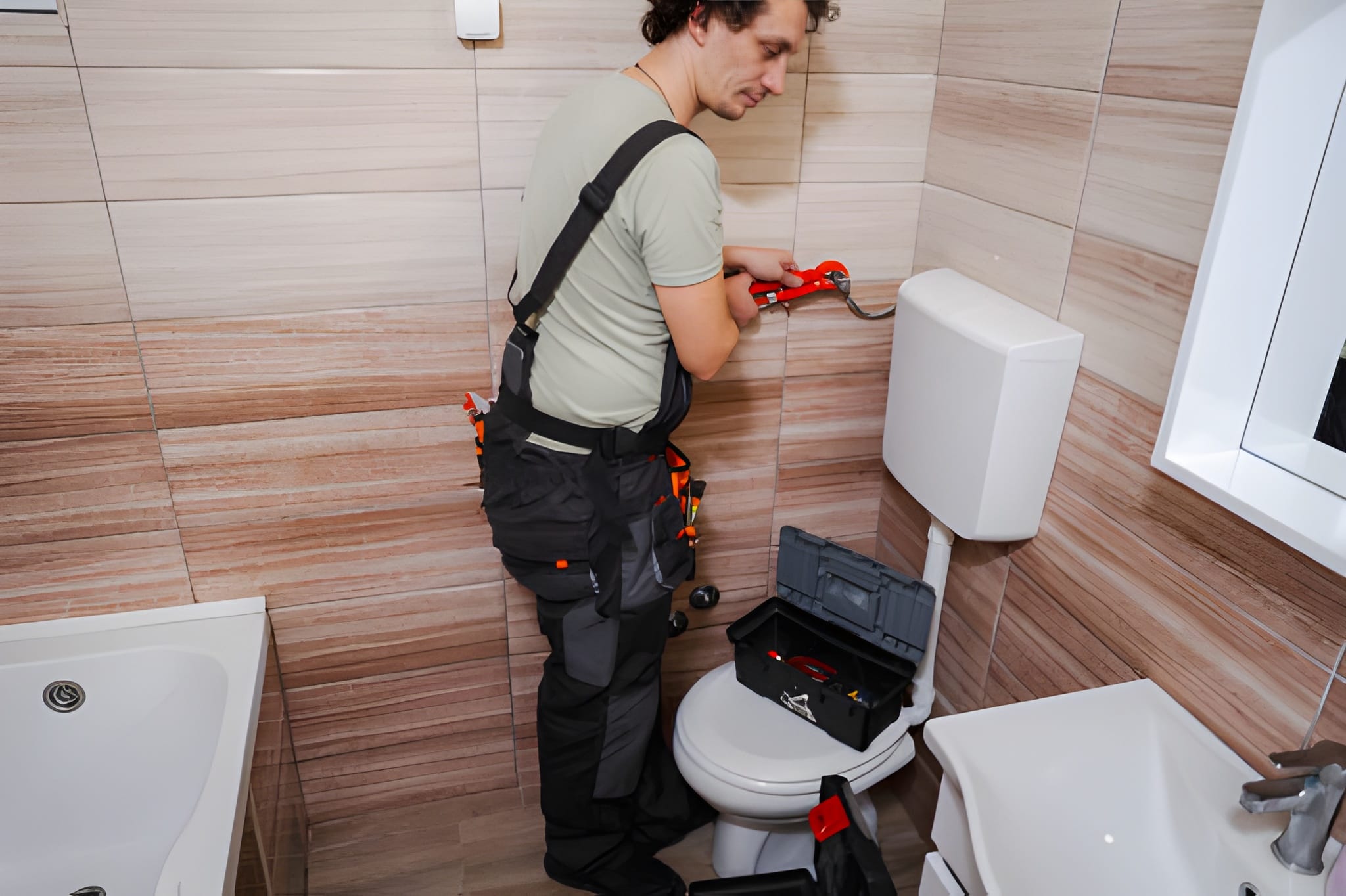
Is your toilet malfunctioning, causing constant running water, leaks, or frustrating clogs? These issues not only disrupt your daily routine but can also lead to hidden water waste and costly property damage if ignored. At Camarillo Plumbing, we specialize in fast, reliable toilet repair services tailored to the unique water conditions and housing styles in Camarillo, CA. Whether you’re dealing with a running toilet, leaks at the base, or poor flush performance, our expert technicians diagnose and fix the problem efficiently to restore your bathroom’s function and save you money on water bills. Don’t wait for the damage to worsen; contact us now for prompt, professional toilet repair that gets your home or business back to normal quickly.
Get Your Toilet Fixed Today
Stop wasting water and avoid costly damage. Our experienced team is ready to provide fast, effective toilet repairs using quality parts designed for Camarillo’s water conditions. Schedule your service now and enjoy peace of mind with guaranteed workmanship.
Common toilet problems in Camarillo, CA
- Clogs and slow drains: caused by accumulated waste, foreign objects, or partial sewer line blockages. Recurrent clogs may signal service line or venting issues.
- Running toilet (continuous flush or phantom flush): usually from a worn flapper, faulty flush valve, or improperly adjusted fill valve.
- Leaking base or wet floor: often due to a failed wax ring or flange, loose closet bolts, or hairline cracks in the bowl.
- Tank leaks and internal tank component failure: cracked tanks, deteriorated gaskets, or corroded bolts allow water to escape or leak into the bowl.
- Faulty fill or flush valves: inefficient refills, noisy tanks, or incomplete flushes are frequently tied to mineral-clogged or failing valves.
- Broken or warped flapper: degraded rubber from age or hard water minerals leads to poor sealing and continuous water loss.
- Damaged flange or seal problems: broken closet flanges, shifted pipes, or corroded materials can cause wobbling toilets and leaks into the subfloor.
- Poor flush performance: mineral buildup in jets, low water level in the tank, or undersized trapways reduce flushing power.
Diagnostic and Inspection Process
- Initial assessment: Visual check of the bowl, tank, base, and surrounding floor for signs of leaks, cracks, or corrosion.
- Functional tests: Dye or food coloring in the tank to detect silent leaks; multiple flushes to observe refill behavior and overflow alignment.
- Tank inspection: Remove tank lid to examine flapper, fill valve, flush valve, and gaskets for wear or mineral buildup common in Camarillo’s water.
- Base and flange evaluation: Tighten bolts, check flange alignment, and look for soft or discolored flooring that indicates a long-term leak.
- Sewer and drain checks: When clogs recur, a camera inspection or localized drain clearing identifies blockages in the trap or sewer line.
- Written diagnosis: Clear explanation of findings and recommended repair vs replacement options, including parts that will be used and an outline of the repair steps.
Typical Repair Procedures and Common Parts
- Flapper replacement: Quick, cost-effective fix for running toilets; select a flapper matched to the flush valve size and material compatible with local water chemistry.
- Fill valve rebuild or replacement: Swap in a modern, quiet, water-saving fill valve; clean or replace mineral-clogged inlet screens.
- Flush valve and tank-to-bowl gasket replacement: Replace worn valves and gaskets to restore a watertight seal and correct flushing action.
- Wax ring or seal replacement: Remove and reset the toilet with a new wax ring (or modern wax-free seal) to stop base leaks and odors.
- Closet flange repair or replacement: Repair with a flange extender or replacement flange when the flange is cracked, corroded, or sits below finished floor level.
- Bolt and hardware replacement: Replace corroded bolts, caps, and shims to stabilize the bowl and prevent leaks.
- Tank repair or replacement: When tanks are cracked or heavily corroded, replacing the tank or entire fixture may be recommended.
- Seal and gasket upgrades: Use elevated-quality rubber or silicone seals to resist mineral degradation in areas with harder water.
When to Repair Versus Replace
Repair is typically preferred when problems are isolated (single failing component, small leak, or a clog) and the toilet is structurally sound. Consider replacement when:
- The toilet is old and inefficient, leading to high water use.
- Repeated repairs are required within a short period.
- The bowl or tank has cracks or irreparable structural damage.
- The closet flange or subfloor is severely damaged.
- You want to upgrade to a low-flow or high-performance model for water conservation in Camarillo’s climate-conscious community.
Warranty and Workmanship
Most professional repairs use manufacturer parts and come with limited parts warranties plus a workmanship guarantee for a defined period. Keeping service records and part receipts helps validate warranties. Camarillo Plumbing technicians typically document repairs and the components used so homeowners have clarity on coverage and expected lifespan of replaced parts.
Emergency Response and Quick-Schedule Guidance
Emergent situations include active sewage backup, continuous flooding from a running toilet, or a large leak that soaks flooring. These require immediate action to protect property and hygiene. For issues that disrupt daily use but are not actively damaging, scheduling a prompt inspection prevents escalation into emergencies.
Preventative Maintenance Tips
- Check the flapper and tank components annually; replace degraded rubber parts before they fail.
- Avoid chemical drain cleaners that can erode seals and exacerbate problems—use mechanical cleaning methods or professional services.
- Address hard water mineral buildup by gently cleaning jets and components or by installing a water conditioner for whole-house protection.
- Tighten loose bolts and inspect the base for new moisture or discoloration after heavy use or seasonal humidity changes.
- Flush periodically with clean water after vacation or long absences to ensure seals stay lubricated and functional.
FAQs
Q: How long does a typical toilet repair take?
A: Basic repairs like flapper or fill valve replacement are often completed within an hour; more involved work such as reseating the toilet or repairing a flange can take several hours depending on access and condition.
Q: How can I tell if my toilet base leak is the wax ring or a crack?
A: A wax ring leak typically appears as water pooling around the base after flushing and may be accompanied by an unpleasant odor. A cracked bowl often shows visible hairline fractures, and water may seep from the crack itself. A technician will inspect the bowl and subfloor to confirm.
Q: Are replacement parts affected by Camarillo’s water quality?
A: Yes. Mineral buildup from harder water can shorten the life of rubber seals and valve components. Upgrading to parts designed to resist mineral corrosion helps reduce repeat issues.
Q: When is a flange repair required instead of just replacing the wax ring?
A: If the flange is cracked, corroded, or set below the finished floor level, a flange repair or replacement is needed to secure the toilet properly and ensure a watertight seal.
Q: Will repairing a running toilet reduce my water bill?
A: Yes. A continuously running toilet can waste significant water over time. Replacing worn flappers or adjusting fill valves often eliminates that waste and lowers usage.
hear what our satisfied clients have to say