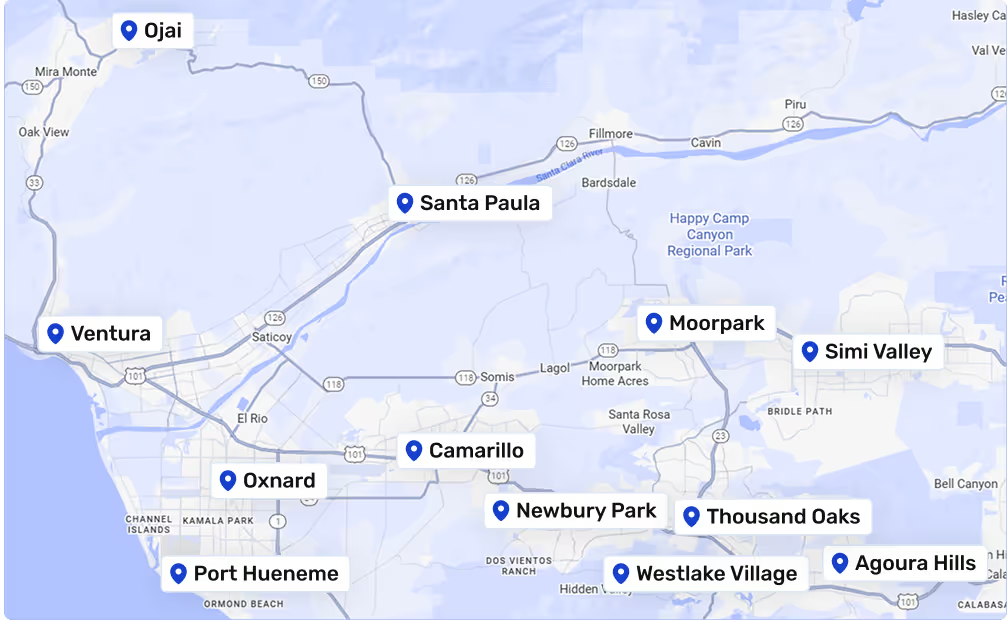


Whole House Water Filter in Camarillo, CA
.avif)

An effective whole house water filter protects your plumbing, improves water taste and smell, and reduces contaminants at every tap in your Camarillo home. Whether your water comes from Calleguas Municipal Water District supplies, local groundwater, or a private well, a properly sized point-of-entry filtration system can remove chlorine, sediment, bacteria, and other unwanted substances before they reach appliances, fixtures, and family members. Camarillo Plumbing draws on decades of local experience to match filtration technology to regional water conditions and household needs.
Why Camarillo homes need whole-home filtration
- Local water often carries chlorine for disinfection, which can cause taste and odor issues in drinking and cooking water.
- Hardness and mineral content from groundwater contribute to scale buildup on water heaters, fixtures, and appliances.
- Older distribution lines and seasonal changes can introduce sediment and discoloration.
- Private wells in the region may show bacterial contamination, iron, manganese, or elevated turbidity that need targeted treatment.
A whole house water filter installed at the point where water enters your home treats water for every outlet, protecting laundry, dishwashers, water heaters, and skin and hair from contaminants and premature wear.
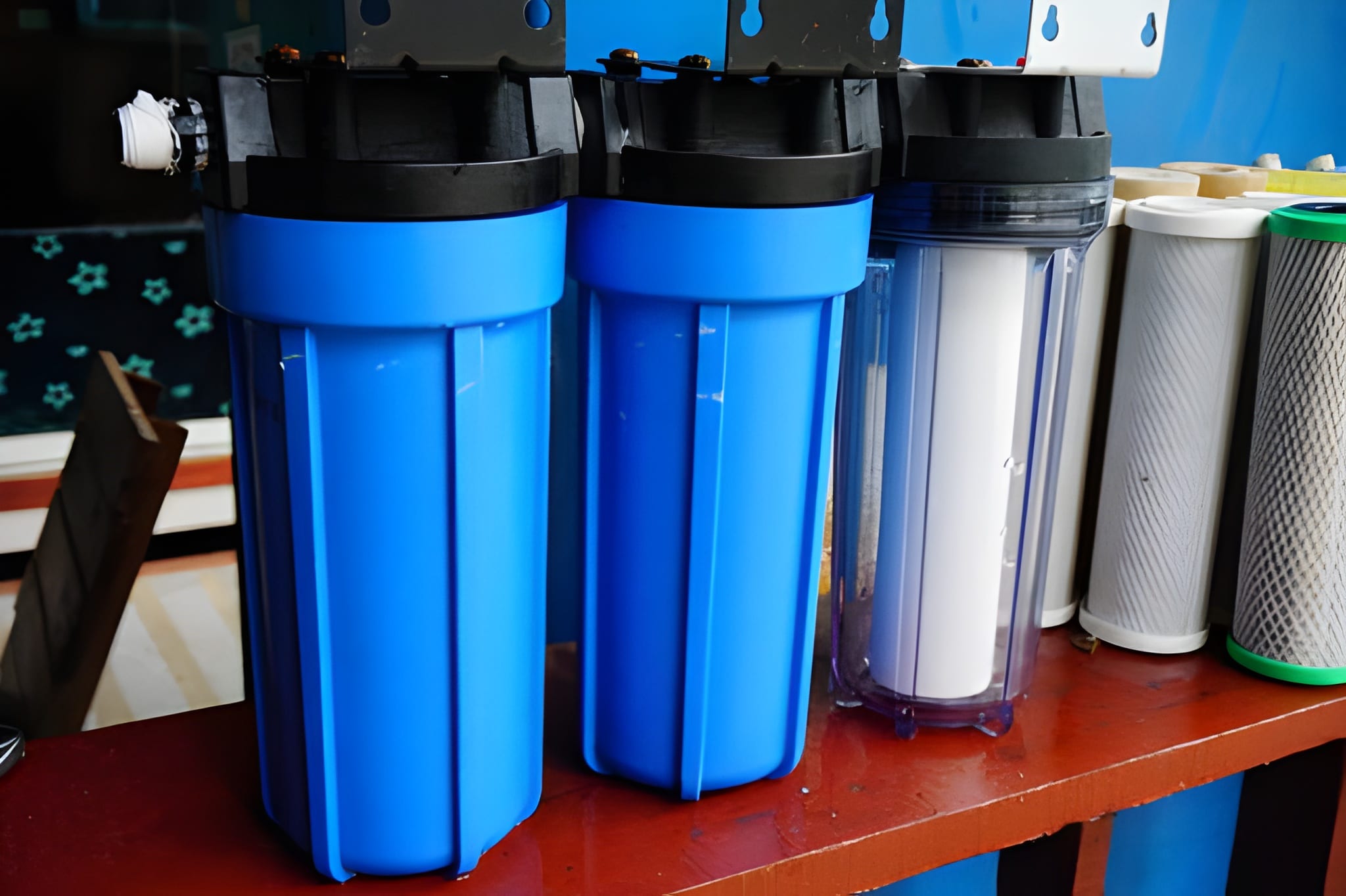
Common whole house water filter types and what they remove
- Sediment filters: Capture sand, rust, and particulate matter to prevent clogged fixtures and abrasive wear.
- Granular or block activated carbon: Remove chlorine, organic taste and odor, and some pesticides and volatile organic compounds.
- Catalytic carbon or KDF media: Treat chloramines and reduce scale-promoting metals when paired with carbon.
- Reverse osmosis (RO): Point-of-use option for drinking water with high contaminant removal, used in combination with whole-house prefiltration.
- UV disinfection: Inactivation of bacteria, viruses, and cysts for well water or other biologically sensitive supplies.
- Iron and manganese media: Oxidize and filter dissolved iron and manganese common in some groundwater sources.
- Whole-home water softener (salt-based or salt-free): Reduces hardness; can be combined with filtration for comprehensive protection.
On-site water testing and system sizing
Proper system selection begins with a scheduled on-site water analysis. A thorough evaluation typically includes:
- Flow rate and peak demand assessment to determine required system capacity and pressure handling.
- Tests for hardness, total dissolved solids (TDS), chlorine/chloramine levels, pH, iron, manganese, turbidity, and bacteriological presence if well water is suspected.
- Inspection of incoming plumbing, available space for equipment, and existing water treatment components.
Accurate sizing accounts for household fixtures, irrigation needs, and future expansion so your system maintains adequate pressure without undue filter replacement frequency.
Typical installation process
- Site inspection and final design confirmation after testing.
- Shutoff and preparation of the service entrance area, including a bypass valve to allow service without disrupting supply.
- Mounting of filter housings, media tanks, prefilters, and any UV reactors or RO prefilters as required.
- Plumbing tie-in with pressure-rated fittings, air elimination, and installation of shutoff and drain lines.
- System flushing, sanitizing, and commissioning with post-installation water testing to verify contaminant reduction and ensure safe bacteriological levels for well treatments.
- Walk-through of maintenance requirements and a written system report documenting test results and component specifications.
Most standard whole-house installs for homes with accessible service lines are completed in a single day. More complex jobs, such as those requiring new plumbing modifications, electrical work for UV units, or multiple media tanks, may require additional time.
Maintenance, filter replacement schedules, and inspections
- Sediment prefilters: Replace every 3 to 12 months depending on sediment load.
- Carbon block cartridges: Replace every 6 to 12 months for optimal chlorine and VOC removal.
- Catalytic carbon and specialty media: Replace or regenerate per manufacturer guidance, often every 1 to 3 years.
- RO membranes: Replace every 2 to 5 years depending on feed water quality and usage for point-of-use drinking systems.
- UV lamps: Replace annually and clean quartz sleeves as directed to maintain disinfection efficacy.
- Backwashing media filters: Backwash as scheduled and replace media per system specifications, typically every 5 to 10 years.
Annual inspections include pressure checks, leak detection, verification of bypass integrity, and a performance test. Homes on well water should receive bacteriological retesting after major maintenance or seasonal changes.
Warranty and cost considerations
Costs depend on system complexity, media type, and labor. Factors that influence pricing include:
- Required flow capacity and number of media stages.
- Need for additional components like water softeners, UV reactors, or RO systems.
- Access and complexity of the service entrance plumbing.
Warranty coverage varies by manufacturer and component. Typical warranties may cover tank heads and control valves, while filter cartridges and membranes have limited warranties or routine maintenance requirements. Labor warranties for installation and local inspection services should be clarified up front to ensure ongoing confidence in system performance.
What to expect from local service and inspections
Local technicians understand Camarillo water characteristics and code requirements. Expect licensed plumbing professionals to:
- Perform validated water tests and document baseline results.
- Recommend a tailored solution that balances contaminant removal with flow and cost considerations.
- Secure permits when necessary and coordinate any required inspections.
- Provide post-installation test results and a maintenance plan aligned with local water seasonality.
Seasonal maintenance reminders and inspection reports help extend system life and protect home plumbing investments.
Benefits of timely whole house filtration
- Improved taste and odor at every tap for drinking, cooking, and bathing.
- Reduced scale and sediment, increasing the lifespan and efficiency of water heaters, dishwashers, and washing machines.
- Lower reliance on bottled water and point-of-use filters for many contaminants.
- Health protection for households on private wells through tailored bacteriological and iron treatment options.
Q: How do I know if I need a whole house water filter in Camarillo, CA?
A: A water test that shows chlorine, high sediment, excessive hardness, iron, or bacteria indicates a benefit from whole-home filtration. Visible staining, taste or odor issues, and frequent appliance maintenance are practical signals you need treatment.
Q: Will a whole house filter remove lead and fluoride?
A: Many whole-home systems can reduce certain metals like lead using specialized media or activated carbon. Fluoride typically requires specific media or a reverse osmosis system at point-of-use for reliable reduction.
Q: How long does installation take and is it disruptive?
A: Most installations are completed in one day with minimal disruption. Complex installs can take longer. A bypass valve allows water use during service if needed.
Q: What ongoing maintenance should homeowners expect?
A: Routine filter cartridge replacements every 3 to 12 months, annual inspections, UV lamp replacement yearly if applicable, and occasional media replacement every few years.
Q: Can a whole house filter handle irrigation and landscape needs in Camarillo?
A: Systems are sized for peak household flow. For extensive irrigation demands, systems can be sized or configured to bypass untreated irrigation lines as appropriate to balance treatment and flow.
hear what our satisfied clients have to say