
Sewer Camera Inspection in Camarillo, CA
.avif)

Sewer camera inspection in Camarillo, CA is a precise, non-invasive way to diagnose sewer and drain line problems before committing to costly digging. Technicians deploy a small high-resolution camera into your sewer or drain line to locate clogs, root intrusions, cracks, offsets, bellies, and collapsed sections. For homeowners and businesses in Camarillo, where coastal soil conditions, mature landscaping, and seasonal rain variations all affect underground pipes, an accurate camera inspection is often the fastest path to a correct, cost-effective repair plan.
Why sewer camera inspection matters in Camarillo homes
- Mature trees and popular landscape species in Camarillo can send roots into older pipes, producing intermittent backups and slow drains.
- Coastal proximity and periodic wet-dry cycles can accelerate pipe movement, joint separation, and corrosion in older clay or cast iron lines.
- Non-invasive diagnostics prevent unnecessary excavation of yards, driveways, and landscaping that can be expensive to restore.
Camarillo Plumbing draws on decades of local experience to interpret what the camera shows and recommend repairs that fit neighborhood conditions and long-term performance needs.
Common sewer problems found with camera inspection
- Blockages from grease, hair, soap buildup, or foreign objects lodged in the line.
- Root intrusion where tree roots enter through joints or small cracks and create recurring clogs.
- Cracks, fractures, and offset joints from ground movement or corrosion.
- Bellies or sags in the pipe where the line holds water and traps debris.
- Collapsed or severely deteriorated sections requiring replacement.
- Broken or displaced joints caused by settlement or heavy vehicle loads over buried lines.
Typical inspection workflow
Site access and assessment
- Technician locates the main cleanout, basement floor drain, or an accessible access point and explains the insertion plan.
Camera insertion
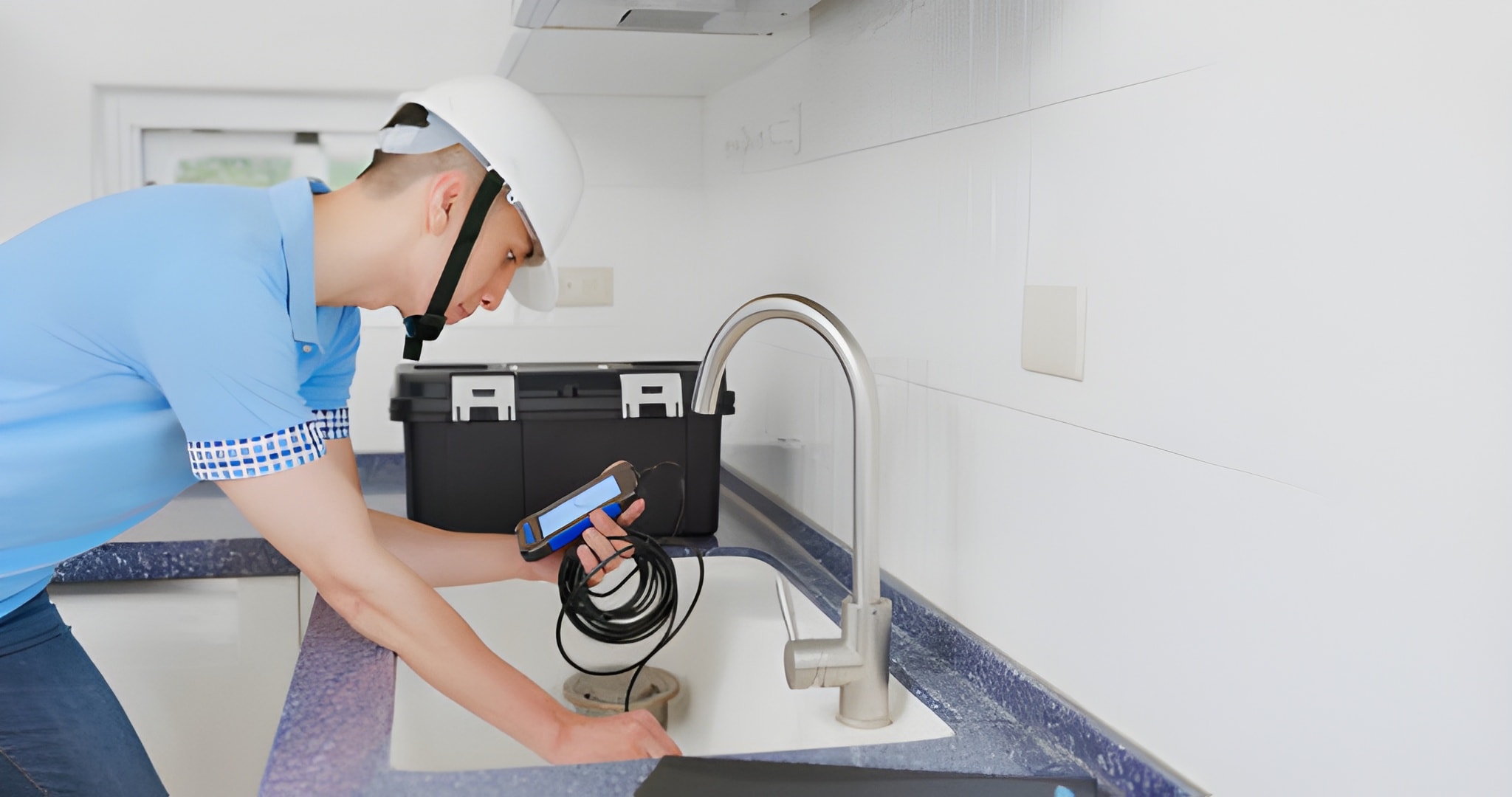
- A flexible push rod with a waterproof high-resolution camera is fed into the line. The camera head is lit and records as it travels.
Live video feed and navigation
- The technician watches a live video feed, carefully advancing and retracting the camera to inspect problem areas and measure distances.
Condition assessment and mapping
- The technician notes the type and location of defects, measures how far each issue is from a fixed reference point, and assesses severity.
Deliverables prepared on-site
- Video footage, still images, and a written diagnosis with recommended repair options are compiled for the customer.
Inspections often take 30 minutes to 90 minutes depending on line length and complexity. For commercial or multi-tenant systems, the process includes additional mapping and documentation.
What you receive after inspection
- High-resolution video footage of the interior of the pipe.
- Still images of critical defects with distance markers.
- A written condition report describing the problem type, severity, and exact location.
- Recommended repair options prioritized by long-term value and least disruption.
These deliverables help you compare repair methods such as hydro jetting, spot repair, pipe relining, or trenchless replacement with confidence.
Benefits of non-invasive diagnostics vs full excavation
- Minimal landscape and property disruption - no guesswork digging.
- Faster diagnosis and more accurate targeting of repairs.
- Reduced overall repair time by matching the right solution to the actual defect.
- Better cost control by avoiding unnecessary excavation and restoration work.
Non-invasive inspection preserves Camarillo yards, irrigation systems, patios, and driveways while revealing whether a simple cleaning or a targeted trenchless repair is appropriate.
Common follow-up services after inspection
- Hydro jetting to remove grease, roots, and debris for restored flow.
- Chemical or mechanical root treatment combined with cleaning.
- Trenchless pipe relining (cured-in-place pipe) for cracks and small separations without digging long trenches.
- Spot excavation and pipe replacement for localized severe damage.
- Full trenchless sewer replacement when lines are beyond repair.
The best follow-up depends on inspection findings, line material, and expected service life.
Scheduling guidelines and what to prepare
- Schedule an inspection when you notice slow drains, recurring clogs, gurgling toilets, or sewer odors, or as part of pre-purchase property checks.
- Clear access to the main cleanout or basement floor drain; remove obstacles near the yard cleanout or meter area.
- For multi-unit properties, identify which fixtures are affected to help isolate the problem.
- Inspections are typically handled during regular service hours, with emergency scheduling available for active backups or sewage overflow.
Camarillo Plumbing applies local knowledge when planning timing to minimize disruption and align repairs with regional factors like irrigation schedules and seasonal weather.
Troubleshooting and emergency response
Signs of an emergency:
- Sewage backing up into sinks, tubs, or toilets.
- Strong sewer gas odor in or around the home.
- Multiple drains backing up at once.
Immediate homeowner actions:
- Stop using water where possible to limit additional sewage entering the line.
- Do not run washing machines, dishwashers, or irrigation systems.
- Avoid chemical drain cleaners that can damage pipes and complicate diagnosis.
- Locate your cleanout access and keep the area clear for service personnel.
- For safety, avoid confined spaces and don’t attempt to remove blockages deep in the sewer line yourself.
When technicians arrive, a camera inspection is often the safest and fastest step to determine whether the problem can be cleared by hydro jetting or requires repair.
Why choose a local expert
Local experience matters. Camarillo Plumbing has long familiarity with regional soil types, common landscaping, and the typical pipe materials found in Camarillo and Ventura County neighborhoods. That local context leads to more accurate diagnoses and durable repair recommendations tailored to how pipes age and fail in this area.
Q: How long does a sewer camera inspection usually take?
A: Most residential inspections take 30 to 90 minutes depending on pipe length and accessibility; more extensive systems take longer.
Q: Will the inspection damage my pipes or landscaping?
A: No. A camera inspection is non-invasive. The flexible push rod and camera are designed to travel through the pipe without excavation or disruption to landscaping.
Q: Can a camera inspection show the exact location to dig if needed?
A: Yes. Technicians measure distance from a fixed reference point and can use sonde locating tools to pinpoint defects under the surface for targeted repairs.
Q: Will you recommend repair options after the inspection?
A: Yes. You will receive video, stills, a written diagnosis, and prioritized repair options such as hydro jetting, relining, or spot replacement.
Q: Are chemical drain cleaners safe to use before an inspection?
A: No. Chemical cleaners can harm pipes and create hazardous residues that complicate inspection and repair; avoid them before service.
hear what our satisfied clients have to say