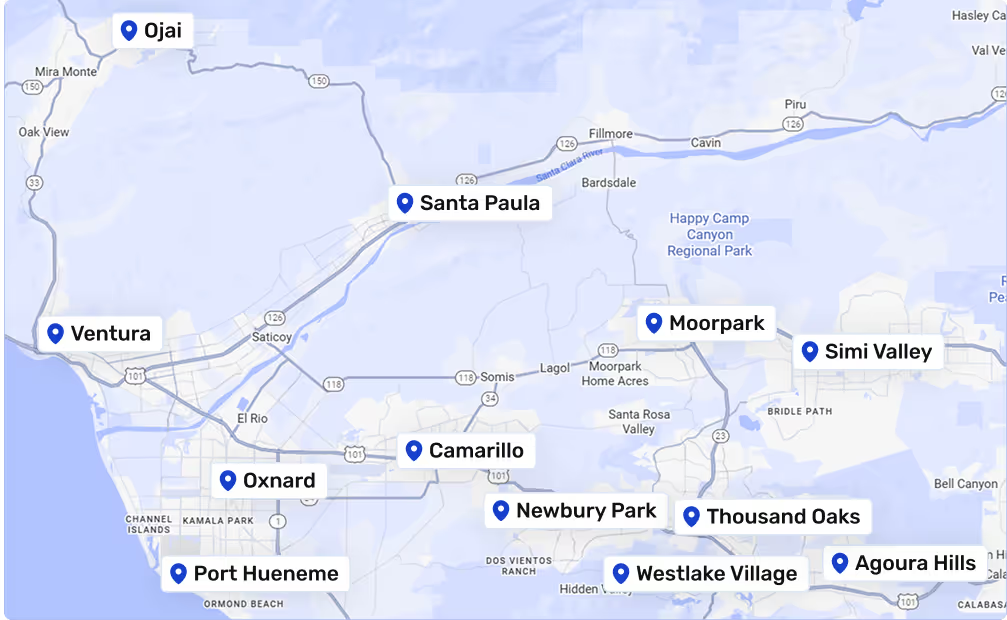


Trenchless Sewer Replacement in Camarillo, CA
.avif)

Trenchless sewer replacement offers a minimally invasive way to replace failing sewer lines without the months of disruption and extensive landscaping damage that come with traditional open-trench excavation. In Camarillo, CA, where older homes, mature trees, coastal air and seasonal storms all affect underground piping, trenchless methods preserve yards, driveways, and hardscape while restoring a reliable, long-term sewer solution. Camarillo Plumbing brings decades of local experience to evaluating when trenchless replacement is the right choice and executing projects with careful planning and property preservation in mind.
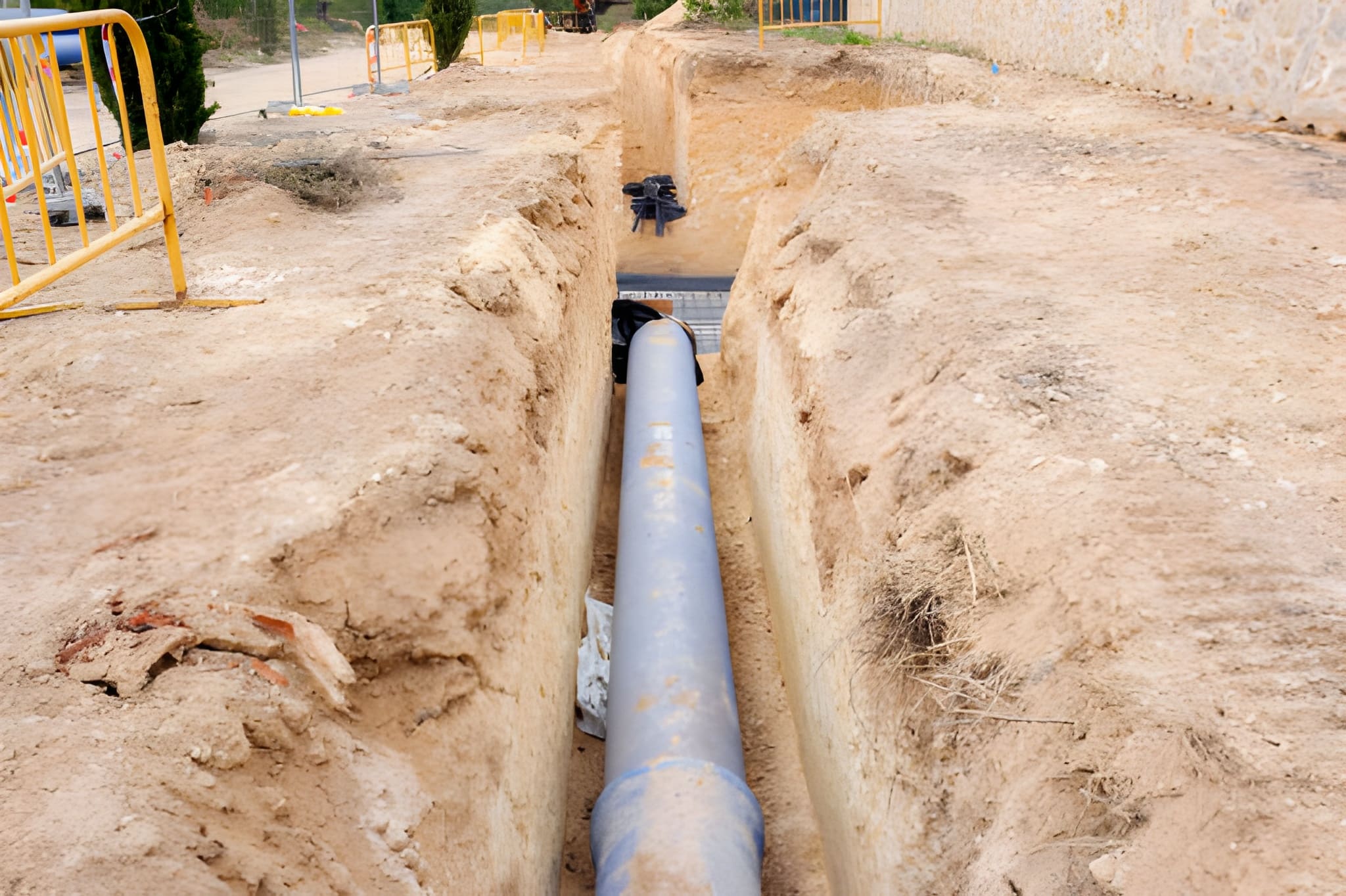
Why trenchless replacement is often the best option in Camarillo
- Preserves landscaping and mature trees common in Camarillo neighborhoods, avoiding costly tree removal and replanting
- Reduces time on site so homes and businesses return to normal use faster
- Limits soil disturbance in areas with shifting soils after droughts or heavy rains
- Avoids full driveway or patio demolition in many cases, critical for homes with limited access or steep grades
- Delivers a durable new pipeline suitable for modern flow capacities and local groundwater conditions
Common signs that replacement is recommended instead of repair
Trenchless repair or relining can fix many problems, but replacement is often the best long-term solution when the line shows these issues:
- Recurrent backups or repeated repairs within a short period
- Severe root intrusion with loss of pipe integrity or crushed pipe sections
- Collapsed, offset or crushed pipe segments discovered on camera inspection
- Multiple pipe materials or frequent joint failures along the same run
- Large diameter reduction from scaling, corrosion, or sediment buildup that relining cannot adequately restore
- Pipes with significant slope or alignment loss from ground movement or seismic activity
Pre-replacement inspections and site preparation
A thorough, local-aware inspection is essential before recommending trenchless replacement. Typical pre-replacement steps:
- Sewer camera inspection to assess pipe condition, length, material, diameter and exact failure locations
- Utility locates to identify underground gas, water, electric and irrigation lines
- Depth and grade verification to confirm proper slope and connection points
- Soil type and access review to determine the best trenchless method (pipe bursting, pipe pulling, or other mechanical replacement)
- Driveway, patio, and landscaping assessment to plan minimal entry/exit pits and equipment staging
Trenchless replacement options and how they work
- Pipe bursting: A bursting head breaks and expands the old pipe while pulling a new HDPE pipe into place. Best for severely damaged lines where full replacement is required.
- Pipe pulling or slip-lining replacement: A continuous new pipe is pulled through the old line after small access pits are dug at each end. Useful when the old pipe can be removed or is soft.
- Spot replacement with minimal excavation: In mixed-problem systems, sections may be replaced using trenchless techniques combined with short open cuts.
Step-by-step project planning and execution
- Project planning and permitting: Confirm sewer connection points, obtain necessary permits, and schedule locates and inspections.
- Site setup and protection: Install temporary protection for lawn, landscaping, and hardscape; identify staging area for equipment with minimal access impact.
- Access pits only where necessary: Excavate small pits (typically 3 to 8 feet wide) at the start and end points; these are much smaller than full trench excavations.
- Old line preparation: Clean and hydro-jet the line to remove debris and scale where required; perform final camera pass.
- Replacement operation: Execute the chosen trenchless method (pipe bursting/pulling), feed and secure the new pipe, and confirm alignment.
- Final inspection and testing: Camera inspection of the new line, pressure or water testing as required by local codes.
- Backfill and surface restoration: Backfill access pits, compact soils, and perform limited landscape restoration to pre-job condition wherever possible.
- Post-install documentation: Provide inspection reports, as-built notes and any warranty information.
Typical timelines and cost comparisons with traditional excavation
- Timelines:
- Camera inspection and estimate: often completed within a few days
- Permitting and planning: typically a few days to one week depending on scope
- Installation: most residential trenchless replacements are completed in 1 to 3 days; larger or complex jobs may take longer
- Full restoration time: limited — usually measured in days for small access pits versus weeks or months for full excavation restoration
- Cost comparison:
- Trenchless replacement can be comparable to or sometimes higher than simple repairs but generally lower than full open-trench replacement when factoring in landscaping, driveway/patio restoration, and labor.
- When including the cost of restoring lawns, hardscapes, irrigation systems and mature trees, trenchless methods commonly deliver significant total savings and faster return to normal use.
Landscaping and property preservation advantages
- Minimal digging protects mature trees, gardens, patios and hardscape common to Camarillo properties
- Less disruption to irrigation and sprinkler systems
- Reduced dust, noise and plant loss during installation
- Smaller, focused restoration needs: reseeding or sod for a small pit vs. complete re-landscaping after trenching
Warranties and post-installation care
- Warranties vary by material and installer: common warranty elements include material warranties for HDPE or PVC and workmanship guarantees for a specified period. Review warranty scope for lining vs replacement and whether lateral connections are included.
- Post-installation care:
- Keep heavy vehicles off restored areas for recommended cure times
- Schedule a follow-up camera inspection 6 to 12 months after installation for peace of mind
- Avoid planting deep-rooted species directly above the sewer path; choose shallow-rooted plants near known lines
- Maintain grease and debris control to prolong flow capacity
What to expect when requesting an estimate
Estimates typically begin with a camera inspection and utility locate. After assessing pipe condition, length and access constraints, a detailed written proposal outlines the recommended method, project scope, timeline, restoration expectations and warranty details. Local factors in Camarillo such as soil type, irrigation systems and proximity to older pipe materials are incorporated into the plan to reduce surprises during execution.
Q: How do I know if pipe relining is enough or if trenchless replacement is necessary?
A: Camera inspection reveals the extent of damage. Relining is suitable for continuous pipes with cracks or minor corrosion but intact structure. Replacement is recommended for collapsed pipes, severe root intrusion, diameter loss or repeated failures along the line.
Q: How long before my sewer is fully functional after trenchless replacement?
A: Most residential jobs allow normal sewer use within 24 to 48 hours after installation, depending on the method and required pressure testing or inspections.
Q: Will trenchless replacement prevent future root intrusion?
A: New HDPE or fusion-welded pipes are highly resistant to root intrusion. Proper backfill and maintaining a root-free buffer around the sewer path further reduce future root problems.
Q: Are there restrictions for homes in older Camarillo neighborhoods?
A: Older homes may have mixed pipe materials or shallow lines. Pre-job camera inspection and locates identify these limitations and guide method selection to minimize disturbance while meeting code requirements.
Q: What warranty should I expect for a trenchless replacement?
A: Warranties vary. Expect material warranties for the new pipe and a workmanship warranty for installation. Confirm details for lateral connections and long-term coverage in the estimate documentation.
hear what our satisfied clients have to say