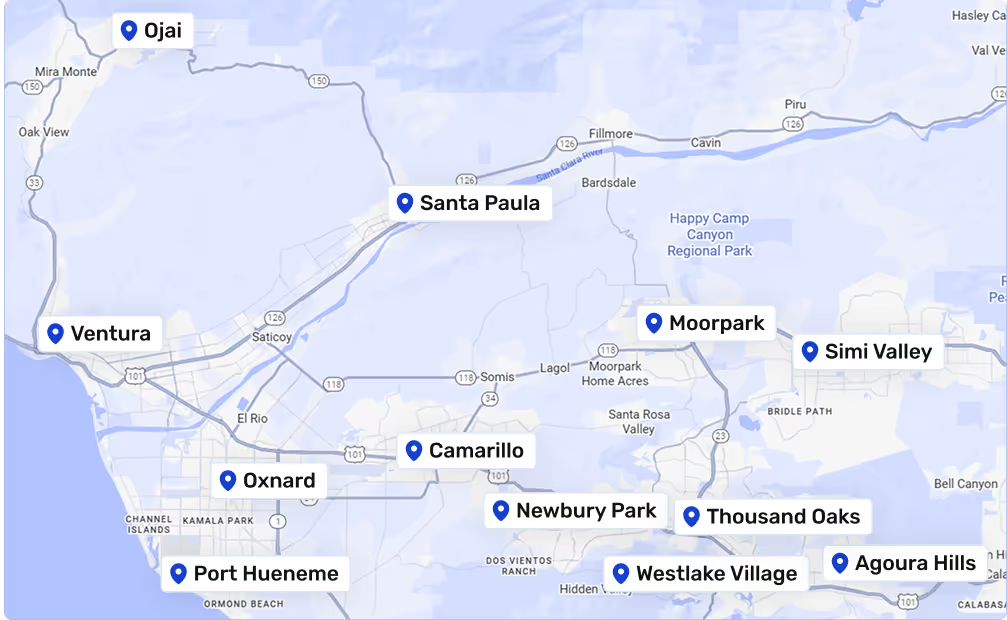


Whole House Water Filter in Thousand Oaks, CA
.avif)

A properly sized whole house water filter in Thousand Oaks, CA removes chlorine, sediment, and common contaminants at the point where water enters your home so every tap and plumbing appliance receives cleaner water. For Thousand Oaks homes that rely on municipal treated water with seasonal sediment and chlorine treatment, whole-home filtration improves taste and odor, protects water-using appliances from buildup, and reduces the need for bottled water while improving skin and laundry outcomes.
Common water problems in Thousand Oaks homes
- Chlorine taste or smell from municipal disinfection
- Visible sediment or particulates after heavy rains or local line work
- Mild to moderate scale on fixtures and appliances linked to mineral content
- Cloudy ice, off-tasting coffee or tea, and reduced lifespan for water heaters and refrigerators
- Concerns about trace contaminants that point-of-use filters can better address
Whole-home filtration technologies and where they fit
- Whole-home carbon filters (activated carbon): Best for removing chlorine, improving taste and odor, and reducing many organic compounds. Available as cartridge systems or larger catalytic carbon units for higher flow.
- Sediment pre-filters: Protect downstream media and appliances by trapping sand, rust, and silt. Typically installed as first-stage protection.
- Backwashing multimedia filters: Used where sediment load is high; regenerate by flushing captured solids to drain.
- Point-of-use reverse osmosis (RO): Installed under a kitchen sink for drinking water and cooking. RO complements whole-home systems by removing dissolved solids and some health-related contaminants.
- Specialty cartridges and catalytic options: For homes with chloramines, iron, or specific VOC concerns, media can be selected to address those contaminants.
How systems are sized for Thousand Oaks homes
Design starts with household flow and water quality. Key factors:
- Peak flow rate in gallons per minute (GPM) based on fixtures and family size
- Sediment load and particle size, determined via simple on-site testing
- Target contaminants (chlorine, sediment, chloramines, VOCs)
- Available space near the main water line, and whether the home is on a well or municipal supply
A residential system typically matched to a 2.5 to 10 GPM demand will include a sediment pre-filter followed by a carbon filter sized by capacity (grain or gallons treated). Multi-family or larger properties require industrial-grade housings or parallel units to meet flow without pressure loss.
Consultation and professional installation process
- On-site evaluation: Technicians measure flow, inspect plumbing layout, and collect a water sample when needed.
- Recommendation: A tailored solution is proposed that balances contaminant removal, flow, and maintenance frequency.
- Installation: Filters are installed at the main line entry—commonly in a garage, utility room, or near the water meter. Proper mounting, bypass valves, and pressure gauges are included so you can isolate the system during maintenance.
- Final check: Pressure, flow, and plumbing connections are tested. If a point-of-use RO is added, it is plumbed to the kitchen sink with its own dedicated faucet.
Professional installation minimizes pressure loss, prevents backflow risks, and preserves manufacturer warranties.
Routine maintenance and filter replacement schedules
- Sediment pre-filters: Replace every 3 to 6 months depending on sediment levels. Heavier loads require more frequent changes.
- Standard carbon cartridges: Replace every 6 to 12 months based on capacity and household usage.
- High-capacity or catalytic carbon systems: May extend to 12 to 24 months with proper pre-filtration.
- Reverse osmosis membranes: Typically replaced every 2 to 3 years; pre- and post-filters changed more frequently.
- Annual inspection: Check for leaks, pressure drop, and media exhaustion. Water testing every 1 to 2 years ensures continued performance.
Local water variations after heavy rains or construction can temporarily shorten filter life, so plan maintenance around seasonal changes.
Expected costs and potential savings versus bottled water
- Typical whole-house carbon + sediment installations range by system capacity and home complexity. Expect a wide range depending on equipment and labor.
- Point-of-use RO systems add to initial costs but deliver the highest level of drinking-water purity.
- Ongoing costs include replacement filters and occasional service visits. For many families, these costs are lower than annual bottled water spending. A household that replaces bottled water with filtered tap water can recoup filter costs in a few years when factoring convenience and reduced appliance repairs.
Transparent, itemized estimates during the consultation clarify upfront and recurring expenses and help compare lifetime costs to continued bottled water purchases.
Warranty, certifications, and performance standards
Look for systems and components certified to recognized standards:
- NSF/ANSI 42 for aesthetic effects such as chlorine taste and odor
- NSF/ANSI 53 for health-related contaminant reduction where applicable
- NSF/ANSI 61 for plumbing system components that contact drinking water
- Manufacturer warranties vary; many cartridges and housings include limited warranties while media-specific guarantees depend on proper installation and maintenance
Camarillo Plumbing installs systems that meet industry standards and follows manufacturer instructions to preserve warranties.
Benefits beyond taste and immediate savings
- Protects water heaters, dishwashers, and washing machines from premature wear
- Reduces mineral spotting and extends life of faucets and showerheads
- Improves laundry brightness and fabric care by lowering chlorine exposure
- Cleaner water at every tap reduces reliance on single-use plastic bottles
- Point-of-use RO supplies high-purity drinking water for cooking and beverages
Ongoing care and practical tips for Thousand Oaks homeowners
- Schedule annual inspections and change pre-filters more frequently during storm season
- Keep a spare set of filters on hand to avoid downtime
- Consider combining a water softener if scale is a primary concern; filtration and softening address different problems and often work together
- Test water after significant plumbing work or seasonal events to confirm filter performance
Camarillo Plumbing installs and services whole-home filtration solutions sized for local needs, using certified equipment and trained technicians to keep your Thousand Oaks home protected and enjoying better water quality.
Q: How does a whole house water filter improve water quality in Thousand Oaks?A: A whole house filter removes chlorine, sediment, and other contaminants at the main line so every tap, shower, and appliance receives cleaner water that tastes better and causes less appliance wear.
Q: Will a whole-home filter remove hardness and prevent scale?A: Filtration reduces sediment and chlorine but does not typically remove dissolved calcium and magnesium that cause hardness. A water softener is the appropriate solution for scale control and can be combined with filtration.
Q: How often will I need to replace filters in Thousand Oaks?A: Sediment filters usually change every 3 to 6 months, carbon cartridges every 6 to 12 months, and RO membranes every 2 to 3 years. Local sediment or usage can shorten schedules.
Q: Can a whole house system handle my home’s peak flow?A: Yes. Proper sizing during consultation measures peak GPM and recommends media and housing sizes to maintain flow with minimal pressure loss.
Q: Do systems require professional installation?A: Professional installation ensures correct placement, safe plumbing connections, preserved warranties, and minimal disruption to water pressure and plumbing function.
Q: Will installing a whole home filter save money compared to bottled water?A: Over time, most households save money by replacing bottled water with filtered tap water when factoring system costs, filter replacements, and reduced appliance repairs.
Q: Are there certifications I should look for?A: Look for NSF/ANSI certifications such as 42, 53, and 61 and manufacturer warranties. Certified products provide verified performance claims.
Q: What happens during a consultation with Camarillo Plumbing?A: A technician inspects plumbing, measures flow, may test water, and recommends a tailored system with an itemized plan for installation and maintenance.
hear what our satisfied clients have to say