

Water Filtration Systems in Thousand Oaks, CA
.avif)

Clean, safe water matters in Thousand Oaks homes for drinking, cooking, bathing, and protecting appliances. Whether your water comes from municipal sources like the regional water district or from a private well in outlying neighborhoods, installing the right water filtration system improves taste and odor, removes harmful contaminants, and reduces scale and sediment that shorten the life of plumbing fixtures and appliances. Camarillo Plumbing brings local expertise and licensed installation to help homeowners choose between whole-home systems and point-of-use options like reverse osmosis.
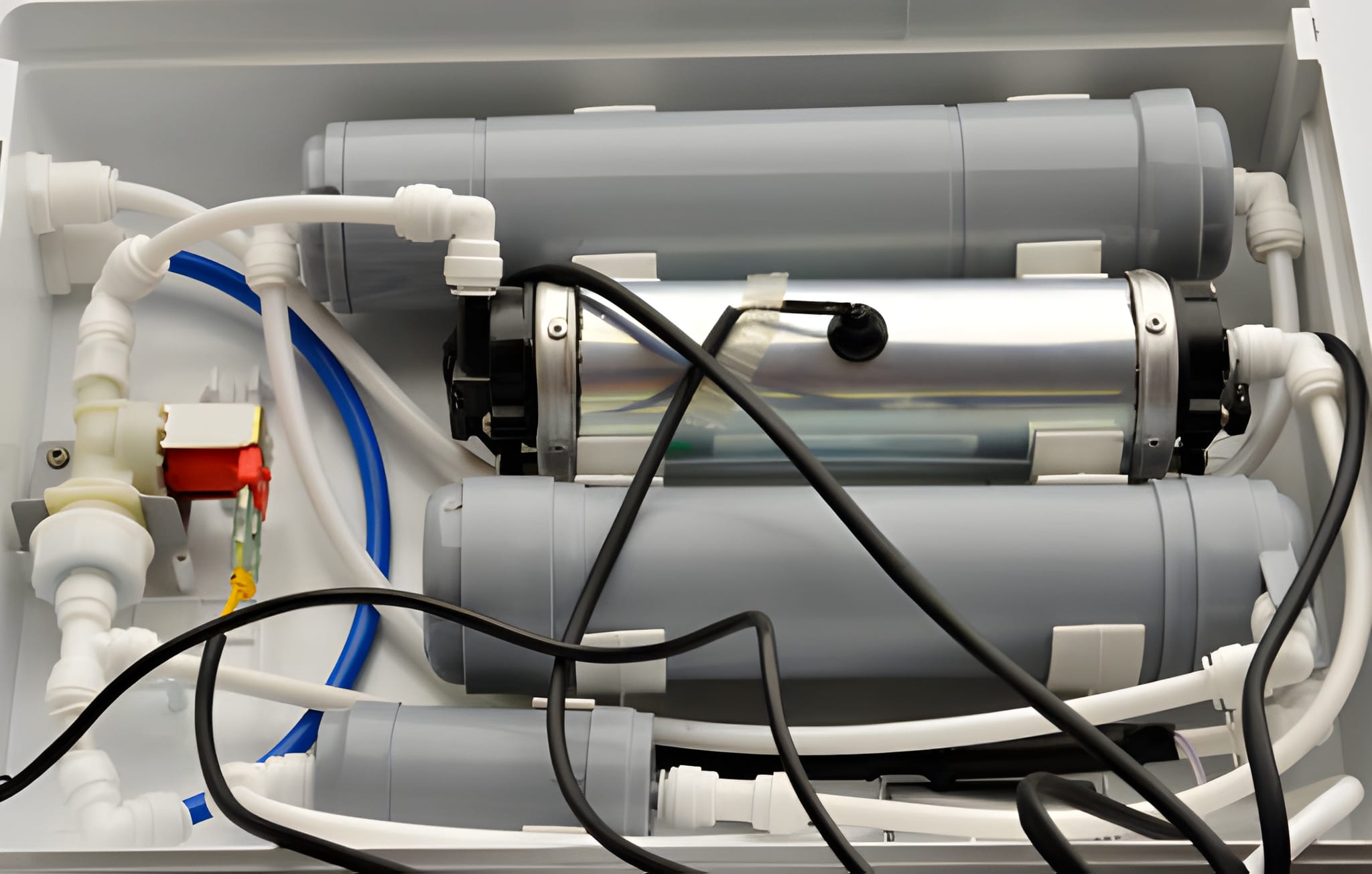
Whole-home vs point-of-use filtration: choose what fits your home
- Whole-home (point-of-entry) filtration
- Treats water at the main line so every faucet, shower, and appliance receives filtered water
- Typical configurations: sediment pre-filter + activated carbon for chlorine/chloramine + specialty media for iron or manganese
- Best when you want odor and taste improvement, reduced scale, and protection for water heaters and laundry
- Point-of-use filtration
- Installed at a single tap such as the kitchen sink or under-sink systems
- Reverse osmosis (RO) systems are the most common POU option for drinking and cooking water
- Ideal when you want high-purity drinking water without remodeling or when whole-house treatment is not required
- Hybrid approaches
- Whole-home sediment and chlorine removal combined with an under-sink RO unit for the drinking supply
- Useful in Thousand Oaks where municipal treatment leaves residual chlorine or chloramine but homeowners still want ultrapure drinking water
Common water quality issues in Thousand Oaks and why treatment helps
- Chlorine and chloramine from municipal treatment can produce taste and odor problems and dry skin after showering
- Sediment and sand from aging pipes or well supplies cause slow-draining fixtures and premature appliance wear
- Hardness minerals (calcium and magnesium) lead to scale build-up in water heaters and on fixtures
- Trace contaminants such as lead, VOCs, and iron can occur depending on source and local plumbingBenefits of filtration include better tasting water, reduced soap scum and scale, longer appliance life, clearer ice and coffee, and lower reliance on bottled water.
How on-site water testing works
- Comprehensive evaluation begins with a home visit and sample collection
- Tests typically include total dissolved solids (TDS), hardness, pH, chlorine/chloramine, iron, manganese, and bacterial screening if required
- Samples may be analyzed with portable instruments on-site and with certified labs for detailed contaminants
- Results are used to:
- Identify primary concerns affecting taste, safety, or equipment
- Determine whether pre-treatment (sediment or softening) is necessary before carbon or RO systems
- Size the system based on household flow rate and daily water usage patterns
System selection and sizing explained simply
- Sizing factors
- Peak flow rate: showers, laundry, and simultaneous use determine required gallons per minute for whole-house systems
- Daily water demand: helps size media tanks and reservoir volumes
- Space availability: under-sink RO units need cabinetry space; whole-home tanks need garage or utility area clearance
- Selection logic
- If the issue is chlorine and taste, a whole-home activated carbon system often suffices
- If drinking water purity is the priority, an RO unit at the kitchen sink provides the highest contaminant reduction
- For hard water, pairing a water softener with filtration reduces scale and extends filter life
Professional installation process
- Site assessment and preparation
- Confirm access to the main water line, check for shutoff valves, and plan for proper waste drain and electrical connections if required
- Installation steps
- Shut off water and relieve pressure
- Install pre-filters, mounting brackets, and media tanks or under-sink units
- Connect plumbing fittings, include a bypass valve for whole-home systems, and install a dedicated faucet for RO when applicable
- Sanitize lines, flush new filters to remove manufacturing fines, and perform post-installation water testing
- Final checks
- Verify flow rates, check for leaks, and explain maintenance steps and filter change locations to the homeowner
Maintenance and filter replacement schedules
- Typical replacement intervals (subject to household use and local water quality)
- Sediment pre-filters: every 3 to 6 months
- Granular or block carbon filters: every 6 to 12 months
- Reverse osmosis membranes: 2 to 5 years depending on feed water quality
- Whole-home media tanks: 3 to 7 years for specialty media; softener resin may last 10 to 15 years with proper care
- UV lamps: replace annually when applicable
- Routine service ensures peak performance, preserves warranties, and maintains water quality. Camarillo Plumbing provides scheduled maintenance and filter replacement reminders to Thousand Oaks homeowners.
Warranty and certifications
- Look for systems and components certified to industry standards
- NSF/ANSI 42 for aesthetic effects such as chlorine and taste
- NSF/ANSI 53 for health-related contaminant reduction
- NSF/ANSI 58 for reverse osmosis systems
- Water Quality Association (WQA) Gold Seal is another indicator of certified performance
- Licensed installation and code compliance
- Professional installation by a licensed plumbing contractor ensures local codes are met and warranties remain valid. Camarillo Plumbing holds license number 239763 and follows regional permitting and installation standards.
Pricing structure and financing options
- Cost depends on system type, capacity, required pre-treatment, complexity of installation, and required plumbing modifications
- Homeowners often evaluate total cost of ownership including replacement filters and maintenance when comparing options
- Flexible payment and financing programs are commonly available to spread installation costs over time; local providers can outline available plans during consultation
Why local expertise matters for Thousand Oaks homes
- Thousand Oaks has a mix of municipal and private well supplies and regional factors such as seasonal runoff, occasional higher hardness, and residual disinfectants from treatment plants
- Local technicians understand these patterns and recommend systems that balance performance with long-term maintenance costs
- Licensed, experienced installers ensure correct sizing, code compliance, and reliable servicing over the life of the system
FAQs
Q: How do I know if I need a whole-home system or just an under-sink reverse osmosis unit?A: If you want consistent improvement to every tap, shower, and appliance, a whole-home system is best. If your main concern is drinking and cooking water quality, an under-sink reverse osmosis unit provides the highest purity at a single faucet. On-site testing helps determine the right approach.
Q: Will filtration remove hard water minerals that cause scale?A: Standard carbon filters reduce chlorine and organic contaminants but do not remove hardness minerals. To address scale, a water softener or specific scale reduction media is recommended, often used alongside filtration.
Q: How often will I need to change filters?A: Filter intervals vary by system and water quality. Typical schedules: sediment filters every 3 to 6 months, carbon filters every 6 to 12 months, and RO membranes every 2 to 5 years. A site-specific plan is provided at installation.
Q: Are there certifications I should look for when choosing a filter?A: Look for NSF/ANSI certifications appropriate to your needs: 42 for taste and odor, 53 for health-related contaminants, and 58 for reverse osmosis. WQA Gold Seal is also a reliable indicator of quality.
Q: Can filtration systems be installed in older Thousand Oaks homes with limited utility space?A: Many systems are designed to fit in tight spaces. Under-sink RO units and compact whole-home setups can work in older properties. An on-site assessment determines best placement and any necessary modifications.
hear what our satisfied clients have to say