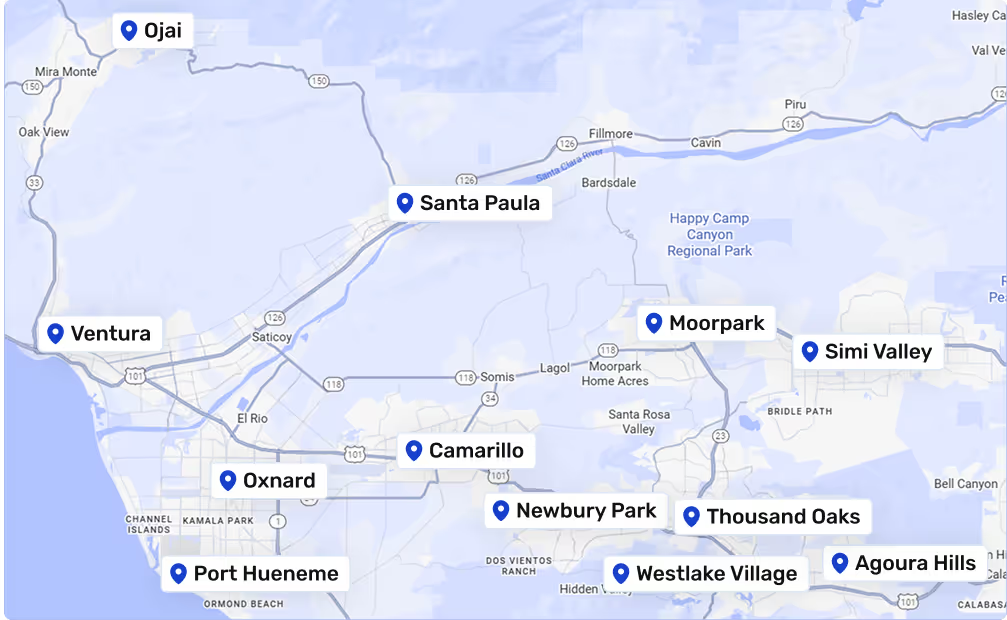


Water Filtration Systems in Calabasas, CA
.avif)

Clean, safe water at every tap matters for health, appliances, and daily comfort. In Calabasas, CA, where municipal treatment can leave noticeable chlorine taste, seasonal dust and occasional pipe sediment can affect clarity, and older plumbing can introduce particulates, choosing the right water filtration system makes a measurable difference. Camarillo Plumbing provides expert guidance on whole-home and point-of-use filtration solutions designed to remove chlorine, sediment, bacteria, and other contaminants — improving taste, protecting appliances, and delivering consistent, healthier water throughout your home.
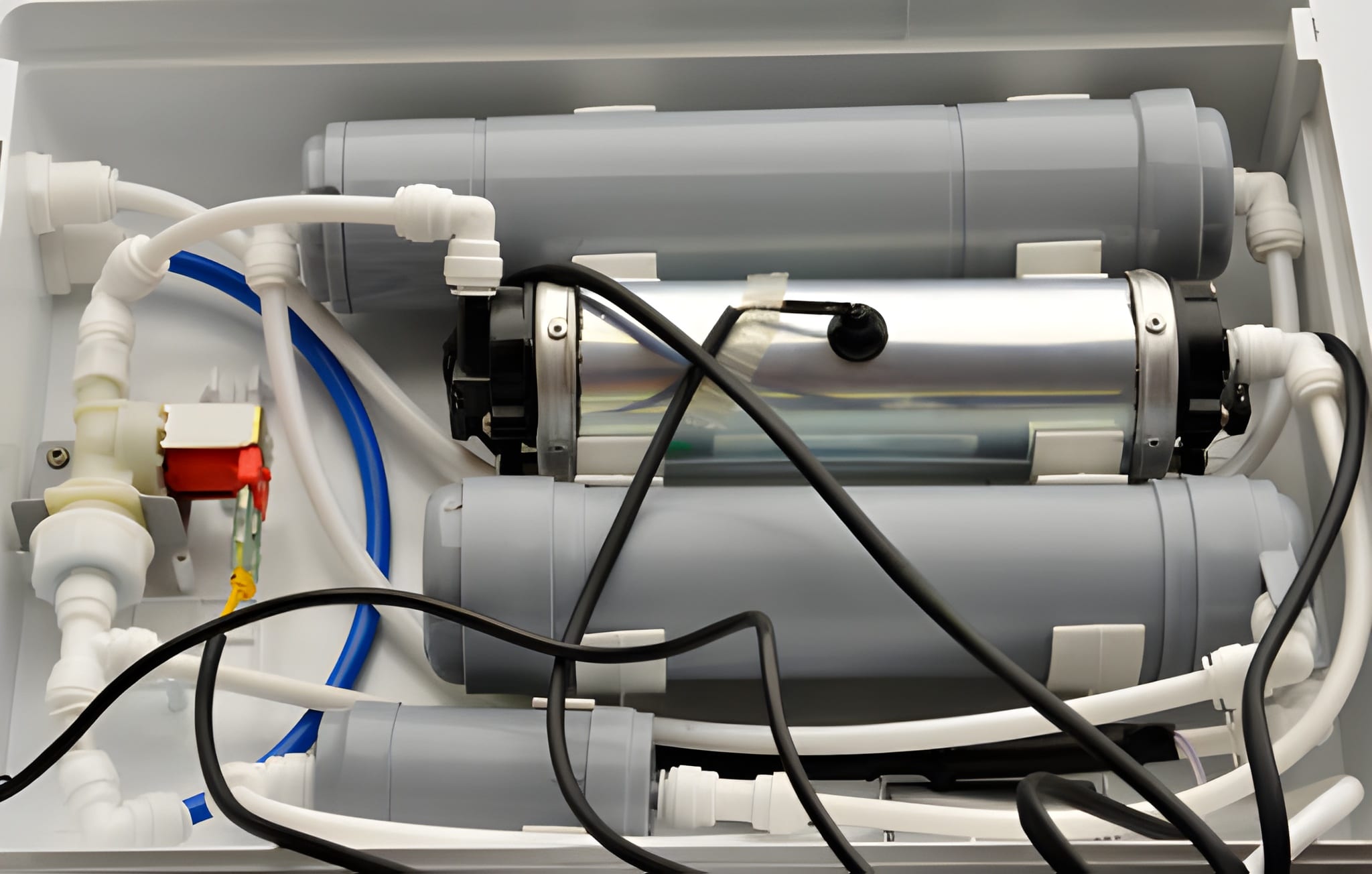
Common water issues in Calabasas homes
- Chlorine taste and odor from municipal disinfection
- Cloudy or gritty water caused by sediment and aging service lines
- Mineral buildup and appliance wear from hard water (often present in the region)
- Occasional concerns about bacteria or elevated total dissolved solids (TDS) after system disruptions
- Sensitive skin or dry hair caused by chlorinated water
Types of systems and how they work
- Whole-home (point-of-entry) filtration
- Installed at the main water line, treating water before it reaches fixtures and appliances
- Ideal for removing sediment, chlorine, and larger contaminants that affect every tap and prolong appliance life
- Point-of-use filtration
- Under-sink or countertop units for drinking and cooking water
- Targets taste and odor with high-performance carbon filters or reverse osmosis for high-purity needs
- Carbon filtration
- Activated carbon adsorbs chlorine, organic compounds, and improves taste and smell
- Common as prefilters and primary drinking water filters
- Sediment filtration
- Removes sand, rust, and particulate matter to protect downstream equipment and improve clarity
- Reverse osmosis (RO)
- Produces low-TDS, high-quality drinking water by forcing water through a semi-permeable membrane
- Typically used for kitchen sinks, ice makers, or any location where the highest purity is needed
Benefits of professionally designed systems
- Removal of chlorine, sediment, bacteria, and many common contaminants
- Noticeably better-tasting water and safer drinking water for cooking
- Extended lifespan and improved efficiency of water heaters, dishwashers, and washing machines
- Reduced staining and mineral deposits on fixtures and glassware
- Lower reliance on bottled water for drinking and cooking
Consultation and water testing process
A tailored system begins with a precise assessment:
- Initial consultation to review household needs — number of occupants, key fixtures, and water uses (drinking, cooking, irrigation, appliances).
- On-site water sampling and testing for:
- TDS and hardness
- Chlorine and chloramines
- Sediment and turbidity
- pH and iron/manganese (if applicable)
- Bacterial screening when required
- Review of test results with clear explanations of detected contaminants and health or performance implications
- Recommendation of whole-home and/or point-of-use systems that match the water profile and household demand
System selection and sizing
Proper sizing balances flow, capacity, and longevity:
- Evaluate peak flow rates in gallons per minute (GPM) to ensure filtration does not restrict showers or simultaneous appliance use
- Select filter capacities that match household water consumption to avoid premature clogging
- Combine technologies where appropriate (sediment prefilter + carbon block + RO) for layered protection
- Consider space, access for maintenance, and location of installation (garage, utility room, under sink)
Professional installation steps
- Site preparation and system layout to minimize disruption and ensure leak-free connections
- Install main-line shutoff and bypass valves so filtered water can be isolated without shutting off the whole house
- Mount whole-home units securely and connect to the main water line using code-compliant fittings
- For RO systems, install drain connections, pressure tanks if required, and dedicated faucet lines
- System startup with pressure checks, sanitization, and initial flush to remove manufacturing carbon fines or installation debris
- Final water quality verification to confirm the system meets targeted contaminant reduction
Maintenance and recommended replacement schedules
Regular maintenance ensures performance and warranty compliance:
- Sediment filters: inspect every 6 months; replace 6-12 months depending on load
- Carbon filters: replace every 6-12 months for optimal chlorine and taste removal
- Reverse osmosis membranes: typically replaced every 2-4 years depending on feed water quality and usage
- Post-filters and polishing cartridges: replace annually or per manufacturer guidance
- Annual system inspection: check for leaks, pressure changes, and sanitization needs; more frequent checks if water quality or household usage changes
Warranty options and service coverage
- Manufacturer warranties typically cover filter housings, membranes, and components for specified periods; registered warranties may offer extended protection
- Installation warranties from Camarillo Plumbing cover workmanship and proper system operation following local plumbing codes
- Routine maintenance plans are available to preserve manufacturer warranties and maintain contaminant removal performance
Why choose a local expert for Calabasas water needs
Local knowledge matters. Calabasas homes face specific water characteristics from regional supply and older plumbing infrastructure. Camarillo Plumbing brings decades of experience across Ventura and Los Angeles county systems, pairing local water testing with equipment selection that reliably handles chlorine, sediment, and mineral concerns common in the area. Choosing an experienced installer reduces the risk of under-sizing, incorrect equipment pairing, or avoidable maintenance headaches.
FAQs
Q: How long does a typical whole-home filtration installation take?A: Installation time varies by system complexity but most whole-home filter installs are completed in a single day, while RO point-of-use installs often take a few hours.
Q: Will filtration affect water pressure?A: Properly sized systems and correct plumbing practices maintain adequate pressure. Sediment buildup over time can reduce flow, which is why scheduled maintenance and correctly sized prefilters are important.
Q: Do I need both a whole-home system and an RO unit?A: Many households benefit from both: whole-home filtration protects appliances and improves general water quality, while an RO unit provides the highest-purity drinking water at a single tap.
Q: How can I tell when filters need replacing?A: Watch for changes in taste, odor, reduced flow, or visible cloudiness. Scheduled maintenance and periodic TDS checks give the most reliable indication.
Q: Are maintenance plans and warranties transferable if I sell my home?A: Transferability depends on warranty and service plan terms; confirm specifics when enrolling in a plan.
hear what our satisfied clients have to say