

Water Heater Replacement in Santa Paula, CA
.avif)

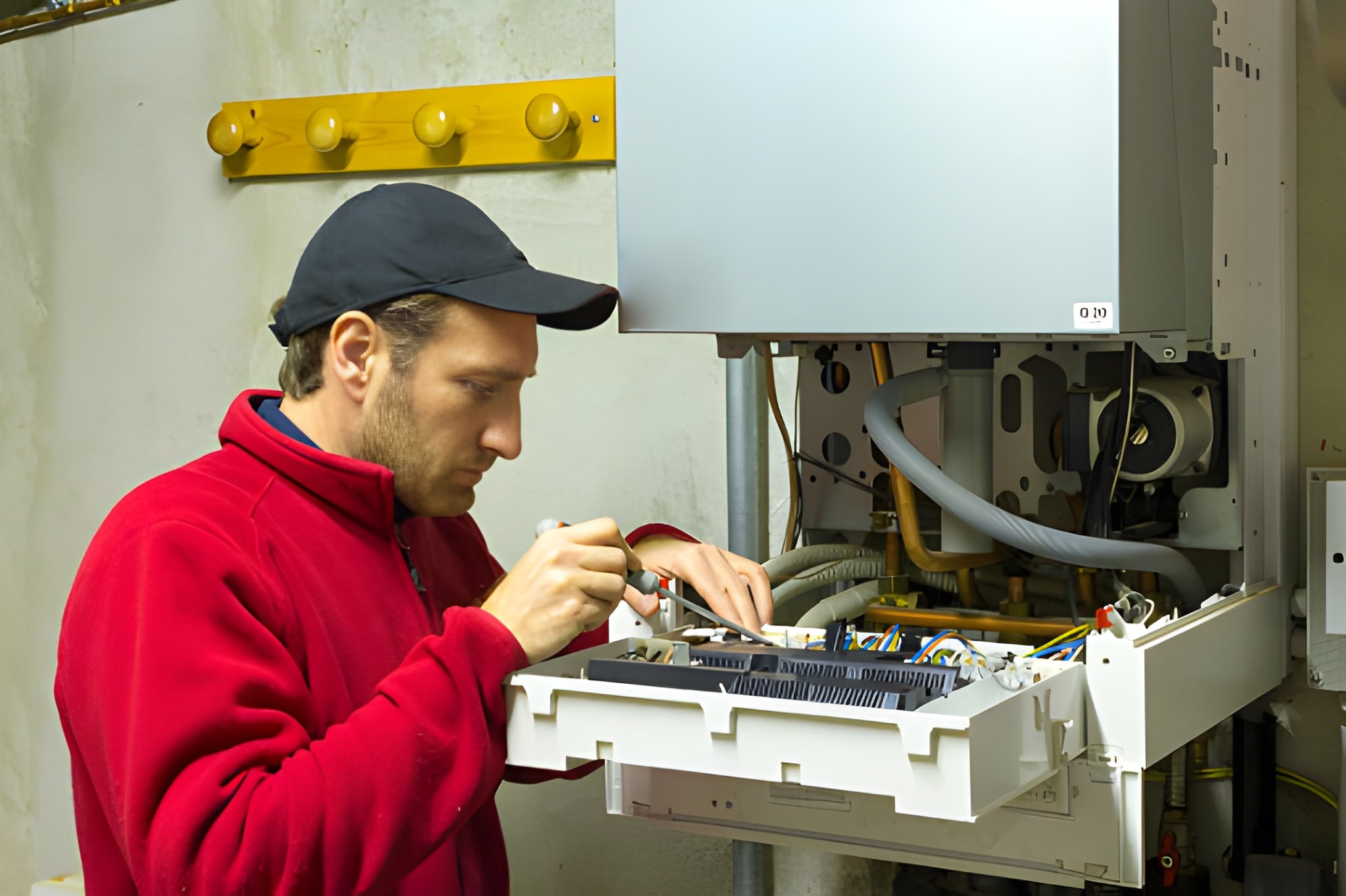
Replacing an aging or failing water heater is a major home project that affects comfort, safety, and energy bills. For homeowners in Santa Paula, CA, choosing the right replacement involves more than picking a new tank. Local climate, water quality, seismic requirements, and permitting through the City of Santa Paula all influence the best solution. Camarillo Plumbing explains how a professional water heater replacement works, when replacement is the better choice than repair, and what to expect from start to finish.
Why replacement matters in Santa Paula
Santa Paula homes often face hard water and mineral-laden supply from municipal and well sources. Over time minerals reduce efficiency and cause sediment buildup that shortens the life of tank units. Hot summers and mild winters mean demand patterns differ from coastal areas, and many households benefit from high-efficiency or on-demand systems to cut year-round energy use. Additionally, California code requires seismic strapping and other safety measures that older units may lack.
Common signs it is time to replace an aging unit
- Frequent leaks or pooling around the tank
- Rusty or discolored hot water coming from fixtures
- Loud rumbling or popping noises from the tank due to sediment
- Not enough hot water for typical household needs
- Repeated repair calls for the same components
- Unit is 10 to 15 years old (typical lifespan for tanks) or beyond useful lifeIf you notice any combination of these symptoms, replacement is often safer and more cost-effective than continued repairs.
On-site evaluation: what to expect
A thorough on-site evaluation determines the right replacement path. An inspection includes:
- Measuring existing unit dimensions and clearances
- Checking fuel type and supply: natural gas, propane, or electric
- Verifying venting, combustion air, and gas line capacity for gas units
- Testing water pressure and looking for signs of corrosion or leaks
- Assessing the water quality and sediment issues that affect longevity
- Reviewing household hot water usage to size the new system
This assessment produces tailored recommendations that account for Santa Paula conditions and code compliance needs.
Replacement options: tank, tankless, and hybrid
- Traditional tank water heaters: Lower upfront cost, straightforward replacement, available in gas and electric models. Best when budget and immediate simplicity are priorities.
- Tankless (on-demand) water heaters: Heat water only when needed, offering higher energy efficiency and longer lifespan. Ideal for homeowners seeking energy savings, space-saving installation, and continuous hot water supply.
- Hybrid heat pump water heaters: Use electricity more efficiently for lower operating costs in the long run, especially when replacing older electric tanks.
- Point-of-use or combination systems: Supplemental units for high-demand areas like dual-bath homes or additions.
For many Santa Paula homes, converting from tank to tankless reduces energy consumption and eliminates sediment-related issues. However, conversion may require gas line upsizing, electrical upgrades, or venting work—factors considered during the evaluation.
Cost comparison and factors that influence price
Replacement cost depends on:
- Unit type and capacity
- Fuel type and efficiency rating
- Installation complexity (tight spaces, venting modifications, gas or electrical upgrades)
- Necessary permits and inspections
- Removal and disposal of the old unitTankless units have higher upfront costs but lower operating costs and longer lifespans. Traditional tanks are typically less expensive to install but may need replacement sooner. A clear cost comparison during evaluation helps homeowners weigh immediate costs versus long-term savings in the Santa Paula climate.
Safe removal and disposal
Older water heaters can contain hazardous materials and must be drained and disposed of according to local regulations. Removal includes:
- Proper draining and neutralizing residual pressure
- Disconnecting gas, electrical, and plumbing safely
- Transporting and disposing of the unit at approved facilitiesCamarillo Plumbing handles responsible disposal and provides documentation needed for local compliance.
Permitting and inspection process in Santa Paula
Replacement projects require permits through the City of Santa Paula Building and Safety or the applicable county authority. Typical steps:
- Permit application for water heater replacement, and for gas or electrical upgrades if required
- Installation to meet California plumbing and mechanical codes, including seismic strapping and proper venting
- Scheduling final inspections and providing compliance documentationFollowing the permit process ensures safety, preserves home insurance coverage, and meets local code requirements.
Expected project timeline
- On-site evaluation: same-day or scheduled appointment
- Permit acquisition: typically a few days depending on the permit office workload
- Installation: most standard water heater replacements are completed in one day; conversions or systems needing electrical or gas upgrades may take 1 to 2 days
- Final inspection and testing: scheduled after installation, often within a few business daysA realistic timeline considers permit processing and any unforeseen complications such as access constraints or required upgrades.
Warranty coverage and what it covers
Replacement units come with manufacturer warranties that vary by model. Common warranty elements:
- Tank warranty for leaks or manufacturing defects
- Parts warranty for components like heating elements or valves
- Labor warranty for installation workmanship provided by the installerUnderstand the length and terms of both manufacturer and installer warranties. Proper registration and maintenance often preserve warranty coverage.
Post-replacement testing and maintenance recommendations
After installation, complete system testing ensures safe operation:
- Pressure and leak checks at connections
- Temperature and pressure relief valve testing
- Combustion and ventilation checks for gas units
- Flow and water temperature verification for tankless systemsRecommended ongoing maintenance in Santa Paula:
- Annual inspection and flushing for tank units to remove sediment
- Descaling for tankless units if water hardness is high
- Checking sacrificial anode rods for tanks every few years
- Monitoring for leaks, unusual noises, or performance changesProactive maintenance extends service life and keeps systems operating efficiently.
Long-term benefits of timely replacement
Replacing an outdated water heater improves household comfort, reduces energy bills, and lowers the risk of water damage from leaks. For Santa Paula homes, addressing hard water effects, meeting seismic safety requirements, and choosing a correctly sized, code-compliant system provide reliable hot water and peace of mind for years to come.
FAQs
Q: How long does a typical water heater replacement take?A: Most straight tank-to-tank replacements are completed in one day. Tankless conversions or jobs requiring gas or electrical upgrades may take 1 to 2 days plus any permit processing time.
Q: Will I need a permit to replace my water heater in Santa Paula?A: Yes. Replacements generally require a permit and final inspection to ensure compliance with local and state plumbing and safety codes.
Q: Is tankless better for energy savings in Santa Paula?A: Tankless units are more energy efficient long term because they heat on demand. Savings depend on household hot water usage patterns and the cost of fuel or electricity.
Q: How can I protect a new water heater from hard water damage?A: Regular flushing for tanks and periodic descaling for tankless systems reduce mineral buildup. Installing a water softener or pre-treatment can also minimize hard water effects.
hear what our satisfied clients have to say