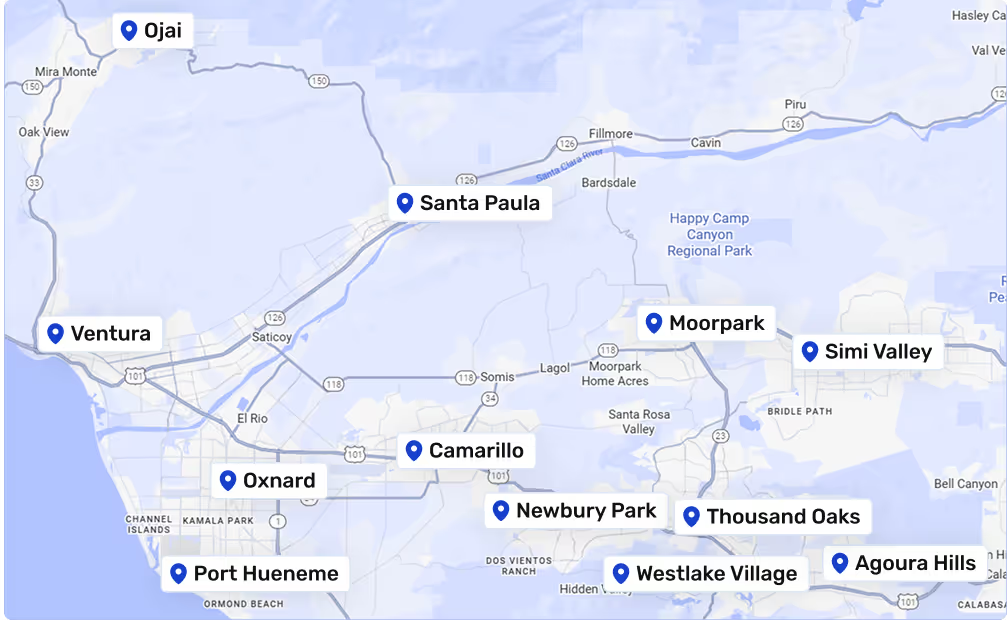


Whole House Water Filter in Westlake Village, CA
.avif)

Upgrading to a whole house water filter in Westlake Village, CA protects your family, plumbing, and appliances from common contaminants while improving water taste and odor throughout your home. With local water supplies influenced by municipal disinfection, seasonal sediment, and naturally occurring minerals, homeowners here often notice chlorine taste, cloudy water after heavy rains, and mineral buildup on fixtures. A properly designed whole-home filtration system addresses those problems at the point the water enters your home so every faucet, shower, and appliance receives treated water.
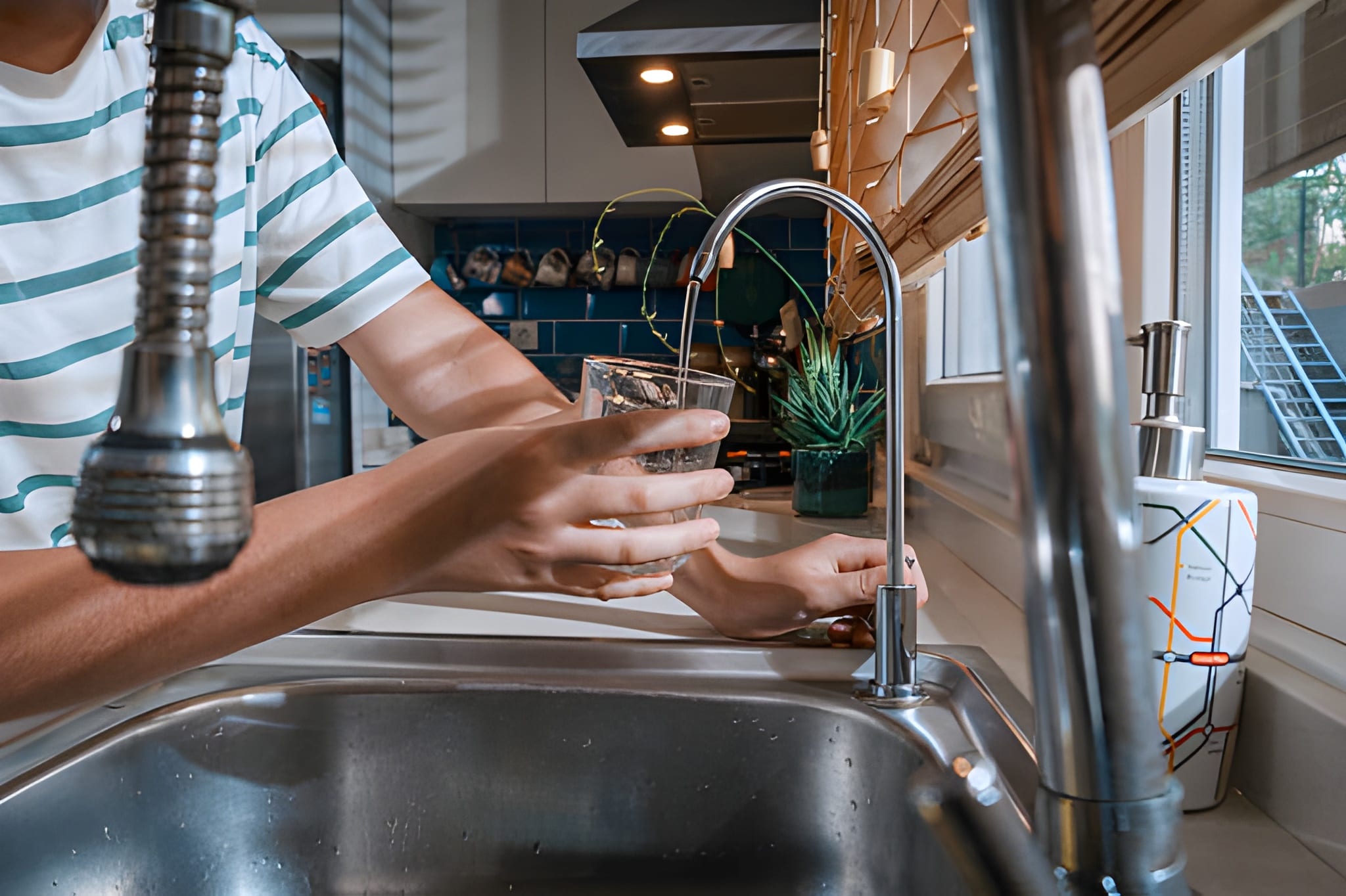
Why Westlake Village homes benefit from whole-house filtration
- Improve taste and odor caused by chlorine or chloramine used by municipal water systems.
- Reduce sediment and rust particles that enter during pipe work or after storms, protecting fixtures and appliances.
- Minimize mineral scaling in water heaters, dishwashers, and coffee makers in areas with moderate hard water.
- Add a layer of biological protection when paired with UV treatment to reduce bacteria or cysts in older service lines.
- Cut down reliance on bottled water and reduce staining on sinks and bathtubs.
Common contaminants removed
- Chlorine and chloramine: reduce chemical taste and smell, protect skin and hair.
- Sediment and rust: from distribution mains or aging household plumbing.
- Volatile organic compounds (VOCs) and some pesticides: removed or reduced by catalytic carbon media.
- Lead and heavy metals: certain specialty filters target lead at point-of-entry.
- Bacteria and cysts: addressed by UV or appropriately rated media when present.
System types and how they compare
- Whole-home carbon filter (activated or catalytic carbon)
- Best for: chlorine, chloramine, VOCs, and improving taste and odor across the house.
- Pros: treats all water, low maintenance compared with point-of-use RO.
- Cons: not effective against dissolved minerals or some heavy metals unless specially formulated.
- Sediment filters (pleated or cartridge)
- Best for: removing sand, rust, and particulate before they reach fixtures and media tanks.
- Typically used as a prefilter to protect downstream equipment.
- UV disinfection
- Best for: inactivating bacteria, viruses, and cysts in homes with well water or microbiological concerns.
- Requires prefiltration to be effective (clear water).
- Whole-home softening vs filtration
- Water softeners reduce hardness (calcium and magnesium) but do not remove chlorine; often paired with carbon filtration.
- Point-of-use reverse osmosis (RO)
- Best for: drinking and cooking water at kitchen sink, removing dissolved solids, fluoride, nitrates, and some heavy metals.
- RO is not typically used as a whole-house solution due to water waste and low flow rates.
- Multi-stage systems
- Combine sediment, carbon, and optional UV to deliver comprehensive protection at the main line.
How systems are sized and integrated with existing plumbing
Sizing and integration focus on flow rate, household demand, and installation location:
- Flow rate (GPM): Technicians calculate peak demand based on number of bathrooms, appliances, and simultaneous fixture use to select a system with adequate GPM capacity and minimal pressure drop.
- Main line diameter: Matching fittings and bypass valves to your 3/4 inch or 1 inch main line ensures safe, code-compliant connections.
- Placement: Whole-home systems are installed at the cold-water main before branch lines. Many homeowners choose to exclude irrigation to save filter life and cost.
- Bypass plumbing: A selectable bypass lets you isolate the filtration system for service without shutting off water to the home.
- Permits and code: Professional installers confirm local code requirements and secure permits when required.
Professional installation process
- On-site assessment: A technician reviews the meter location, main shutoff, pipe material, and typical water usage.
- Water testing: Basic in-home or lab testing identifies chlorine levels, hardness, sediment, and any metals or organics that affect system choice.
- System selection: Based on test results and household needs, the right combination of sediment prefilter, carbon tank, softener, or UV is recommended.
- Installation: The system is mounted and plumbed into the main cold-water line, with pressure testing, a bypass valve, and drain runs (if required for backwashing media or RO systems).
- Start-up and verification: Technicians flush the system, check for leaks, verify flow and pressure, and re-test water quality to confirm improvement.
Recommended maintenance and replacement schedules
- Sediment prefilters: Replace every 3 to 6 months depending on sediment load.
- Carbon cartridges or tanks: Replace cartridges 6 to 12 months; catalytic carbon tanks may have multi-year media life with periodic backwashing or replacement depending on loading.
- UV lamps: Replace annually and clean quartz sleeves on the same schedule to maintain disinfection performance.
- Reverse osmosis membranes: Replace every 2 to 3 years; prefilters for RO should be changed 6 to 12 months.
- System inspections: Annual professional checks help detect pressure loss, media exhaustion, or plumbing issues before performance degrades.
- Signs you need service: bad taste or odor returning, brown or cloudy water, reduced water pressure, or staining on fixtures.
Water testing and measurable improvements
A baseline test documents current water quality so results after installation show clear benefits:
- Chlorine/chloramine levels typically drop to non-detectable for taste and odor elimination.
- Turbidity and visible particles are removed, leaving clearer water from taps and showers.
- Reduced hardness and mineral scale when a softening stage is included, extending appliance life.
- Point-of-use RO produces low TDS drinking water suitable for cooking and beverages.
Warranty and financing considerations
- Warranties vary by component: tanks and control valves often carry multi-year warranties while cartridges and lamps have shorter coverage. Registration of equipment may be required to maintain warranty.
- Installation workmanship is typically covered separately from manufacturer warranties.
- Financing and payment plan options are commonly available through professional plumbing providers to spread the investment; terms depend on provider and equipment selected.
How to request a quote or schedule service in Westlake Village
When requesting a quote for a whole house water filter in Westlake Village, prepare the following for an efficient assessment:
- Recent water test results if available, or note concerns like taste, staining, or recurring sediment.
- Number of bathrooms and major water-using appliances.
- Location of the main water shutoff and visible main line size.
- Whether you want irrigation water filtered or prefer to exclude outdoor lines.A qualified technician will use that information to recommend system sizing, media selection, and a site-specific installation plan tailored to Westlake Village water conditions and household needs. Camarillo Plumbing performs in-home assessments and testing to determine the most effective whole-home solution for local homes.
FAQ
Q: How long does a whole house water filter installation typically take?A: A standard residential whole-house system installation usually takes a half day to a full day depending on complexity, whether new piping or electrical work is needed for UV, and permitting.
Q: Will a whole house filter remove hard water minerals?A: Standard carbon and sediment filters do not remove dissolved hardness minerals. A water softener or specialized media is required to reduce hardness. Point-of-use RO can remove those minerals for drinking water.
Q: Can filtration be installed on homes with well water in Westlake Village?A: Yes. Well water often requires additional testing and may need sediment, iron removal, and UV disinfection in addition to carbon filtration. Pre-testing identifies the right combination.
Q: How will filtration affect water pressure?A: Properly sized systems are designed to maintain household pressure. Undersized filters or clogged cartridges can cause pressure loss, so routine maintenance is important.
Q: How often should I test my water after installing a system?A: A follow-up test after installation verifies performance. Annual testing is a good practice, or sooner if you notice changes in taste, odor, or appearance.
Q: Are whole house systems compatible with existing water softeners?A: Yes. Many installations place a carbon filter before the water softener to remove chlorine that can foul softener resin, or place softeners before carbon depending on objectives.
hear what our satisfied clients have to say