

Water Softener in Santa Paula, CA
.avif)

Hard water is one of the most common, quietly expensive problems for homeowners in Santa Paula. Mineral buildup from calcium and magnesium causes scale on fixtures, reduces appliance life, and makes soaps and detergents less effective. Installing a properly sized water softener reduces scale buildup, improves appliance efficiency, and delivers softer water for bathing, laundry, and cleaning — outcomes that matter in Santa Paula homes where groundwater and municipal sources often carry measurable hardness.
Common hard water issues in Santa Paula homes
- Visible white scale on faucets, showerheads, and glassware that becomes harder to remove over time.
- Shortened lifespan and reduced efficiency of water heaters, dishwashers, and washing machines due to mineral deposits.
- Increased soap and detergent use, dingy laundry, and dry skin or hair after showers.
- Clogged irrigation emitters and sprinkler heads in landscapes that rely on local water sources.
These problems are typical for Ventura County area water and are solved or mitigated by selecting the correct water softening approach.
How water softeners work: ion-exchange vs salt-free
Ion-exchange systems: These are the industry standard for removing hardness. They pass water through a resin bed that exchanges sodium (or potassium) ions for calcium and magnesium. The result is water that reduces scale and improves soap performance. Ion-exchange systems require regeneration with salt or potassium and periodic resin care.
Salt-free systems: Salt-free conditioners do not remove hardness but condition minerals to reduce scale formation. They are chemical-free and require less routine maintenance. Salt-free options work well where homeowners want to avoid added sodium and where hardness levels are moderate. They are not ideal when complete mineral removal is required.
Choosing between these systems depends on your household needs, health considerations, and the hardness level of Santa Paula water supplies.
Choosing the right size and type for your home
Sizing a softener correctly depends on two primary factors: the hardness level of your supply and your household’s daily water use. A professional assessment measures grains per gallon and estimates demand based on number of occupants and fixtures. Key considerations include peak flow rate for whole-home coverage, the resin tank size for capacity, and whether you prefer salt-based regeneration or a salt-free alternative. For homes with wells or higher hardness readings common in parts of Santa Paula, an ion-exchange system with adequate capacity is usually recommended for reliable scale prevention.
Professional installation process and timeline
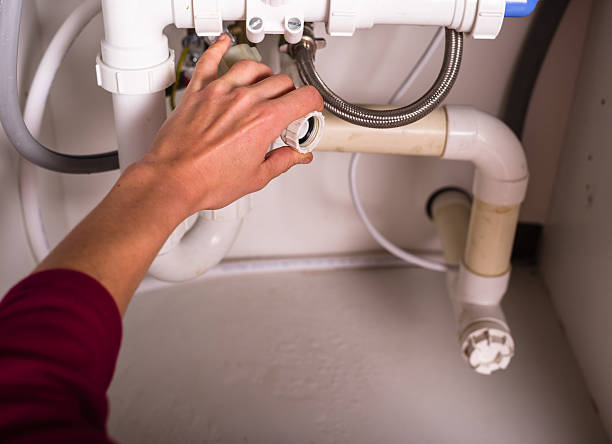
Installation begins with an on-site assessment to verify water hardness, available space, electrical and drain access, and preferred placement (garage, utility room, or exterior enclosure). Typical steps include:
- Site preparation and plumbing tie-in to the main water line, including bypass valve installation.
- Mounting and connecting the softener, brine tank setup, and any pre- or post-filtration components.
- Programming the control head for regeneration schedule and performing an initial regeneration and system check.
Most residential installations are completed within a single day after assessment, with final testing and homeowner orientation included. For larger homes or complex plumbing runs, the job may extend slightly longer to ensure optimal placement and performance.
Routine maintenance and care
- Salt refills: For salt-based units, add evaporated salt or potassium chloride as recommended, typically at intervals determined by consumption and system size. Regular checks prevent salt bridging and ensure proper regeneration.
- Resin care: Resin rarely needs replacement for many years, but periodic cleaning and occasional resin recharge or replacement can restore capacity if chlorine or iron exposure has reduced effectiveness.
- Seasonal checks: Inspect drain lines, the control valve, and brine tank condition annually, and sanitize the system when necessary.
- System monitoring: Many modern controllers provide usage data and alerts. Monitoring helps schedule service before performance declines.
Common repair issues and troubleshooting
- Salt bridging: Hard crust forms in the brine tank, preventing proper salt dissolution and regeneration. Gently break the bridge and adjust salt type or humidity conditions.
- No regeneration or short cycles: Often caused by control valve malfunctions, timer issues, or low water pressure. Valve cleaning or controller replacement resolves most cases.
- Resin fouling: Iron, chlorine, or organic contaminants can foul resin beads. Specialized cleaning or resin replacement may be needed.
- Leaks and plumbing faults: Loose fittings or cracked tanks require prompt repair to avoid water damage. Professional diagnosis locates leaks quickly and minimizes downstream issues.
Basic troubleshooting can identify many issues, but complex repairs typically require trained technicians to ensure reliable and safe operation.
Expected costs and warranty information
Instead of focusing on fixed prices, consider the cost drivers: system type (ion-exchange vs salt-free), capacity, additional filtration components, installation complexity, and local permit requirements. Higher-capacity systems and installations that require custom plumbing work will increase project scope. Warranty structures commonly include manufacturer warranties on tanks, control heads, and resin, as well as service or workmanship warranties from the installer. Camarillo Plumbing honors manufacturer warranty terms and provides workmanship guarantees to ensure installations perform as intended in Santa Paula homes. Ask for specific warranty durations and what they cover during your professional assessment.
Benefits recap and maintenance tips for Santa Paula residents
A properly installed water softener restores appliance efficiency, reduces scale-related maintenance, improves soap performance, and protects plumbing and irrigation infrastructure from premature decline. For Santa Paula, where water characteristics can accelerate mineral buildup, ongoing maintenance is essential: check salt levels regularly, inspect for salt bridging, schedule annual system checks, and consider whole-home filtration upstream if sediment or chlorine is present. These steps maximize system lifespan and deliver consistent soft water throughout your home.
Q: How do I know if my home in Santa Paula needs a water softener?A: Signs include white scale on fixtures, frequent appliance breakdowns from mineral buildup, increased soap consumption, dingy laundry, and dry skin after bathing. A professional water hardness test confirms the level and helps determine the right system.
Q: Which system is better for Santa Paula: salt-based or salt-free?A: Salt-based ion-exchange systems remove hardness and are most effective for high hardness levels. Salt-free conditioners reduce scale formation without removing minerals and suit moderate hardness or households avoiding added sodium. A water test and usage review determines the best fit.
Q: How often will my softener need maintenance?A: Maintenance frequency depends on system type and household use. Salt-based systems need periodic salt refills and an annual inspection; resin cleaning or replacement is occasional. Salt-free units require less frequent service but benefit from yearly checks.
Q: Can a water softener damage my irrigation system or plants in Santa Paula?A: Ion-exchange systems add a small amount of sodium to softened water, which some homeowners mitigate by using potassium chloride or by diverting softened water away from irrigation. Salt-free options avoid added sodium and are commonly used for landscape water.
Q: What warranties should I expect?A: Manufacturer warranties typically cover tanks, control heads, and resin for specified periods, and installers provide workmanship warranties for the installation. Confirm specific terms and coverage during your assessment.
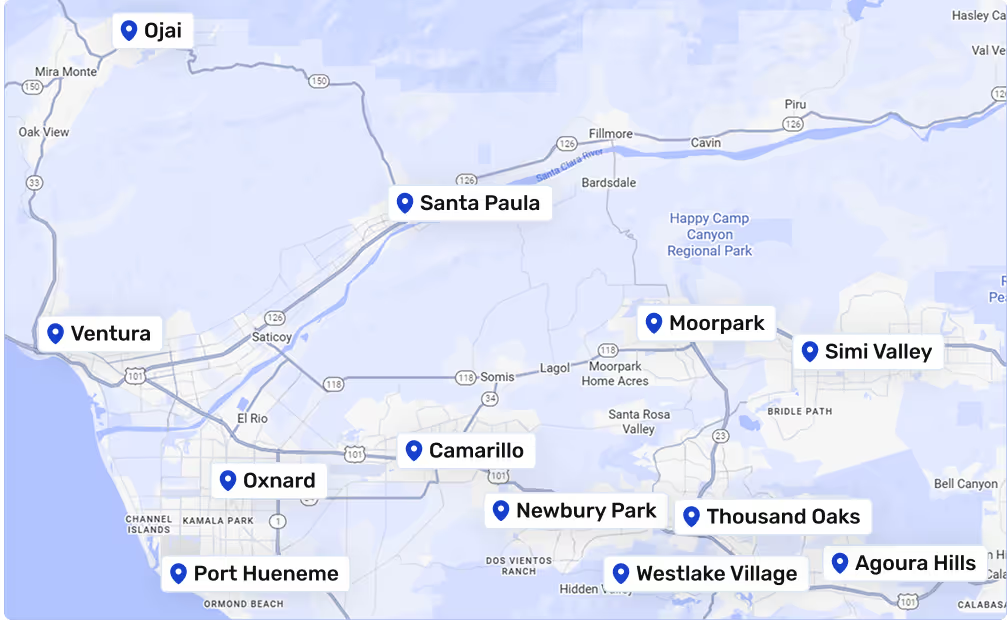
Local service area details: Camarillo Plumbing provides professional evaluations and installations for homeowners in Santa Paula, including the East Area, downtown, and surrounding residential neighborhoods. Technicians account for local water conditions, landscape irrigation needs, and common Ventura County plumbing challenges to recommend and install the most appropriate water softening solution.
hear what our satisfied clients have to say