

Water Filtration Systems in Simi Valley, CA
.avif)

Clean, reliably safe water is essential for drinking, cooking, bathing, and protecting your plumbing and appliances. In Simi Valley, CA, where source water can vary seasonally and local supply often carries chlorine, sediment, and dissolved minerals, investing in professional water filtration can resolve persistent taste and odor problems, reduce scale buildup, and improve overall household water quality. Camarillo Plumbing provides expert guidance on whole-home and point-of-use options, including reverse osmosis and softening where relevant, to match filtration performance to your home’s needs.
Common water problems in Simi Valley homes
- Chlorine taste and smell in drinking water from municipal treatment.
- Hard water: elevated calcium and magnesium that produce scale on fixtures and shorten appliance life.
- Sediment and discoloration after mainline work or during seasonal changes.
- Visible particles, cloudiness, or occasional metallic tastes from aging pipes or local source variations.
- Concerns about trace contaminants that standard municipal treatment may not remove.
Types of water filtration systems and what they address
- Whole-home filtration (point-of-entry): Installed at the main water line to remove sediment, chlorine, and protect plumbing and appliances. Best for improving water throughout the house.
- Point-of-use filtration: Under-sink or countertop units for drinking and cooking water where the highest purity is desired.
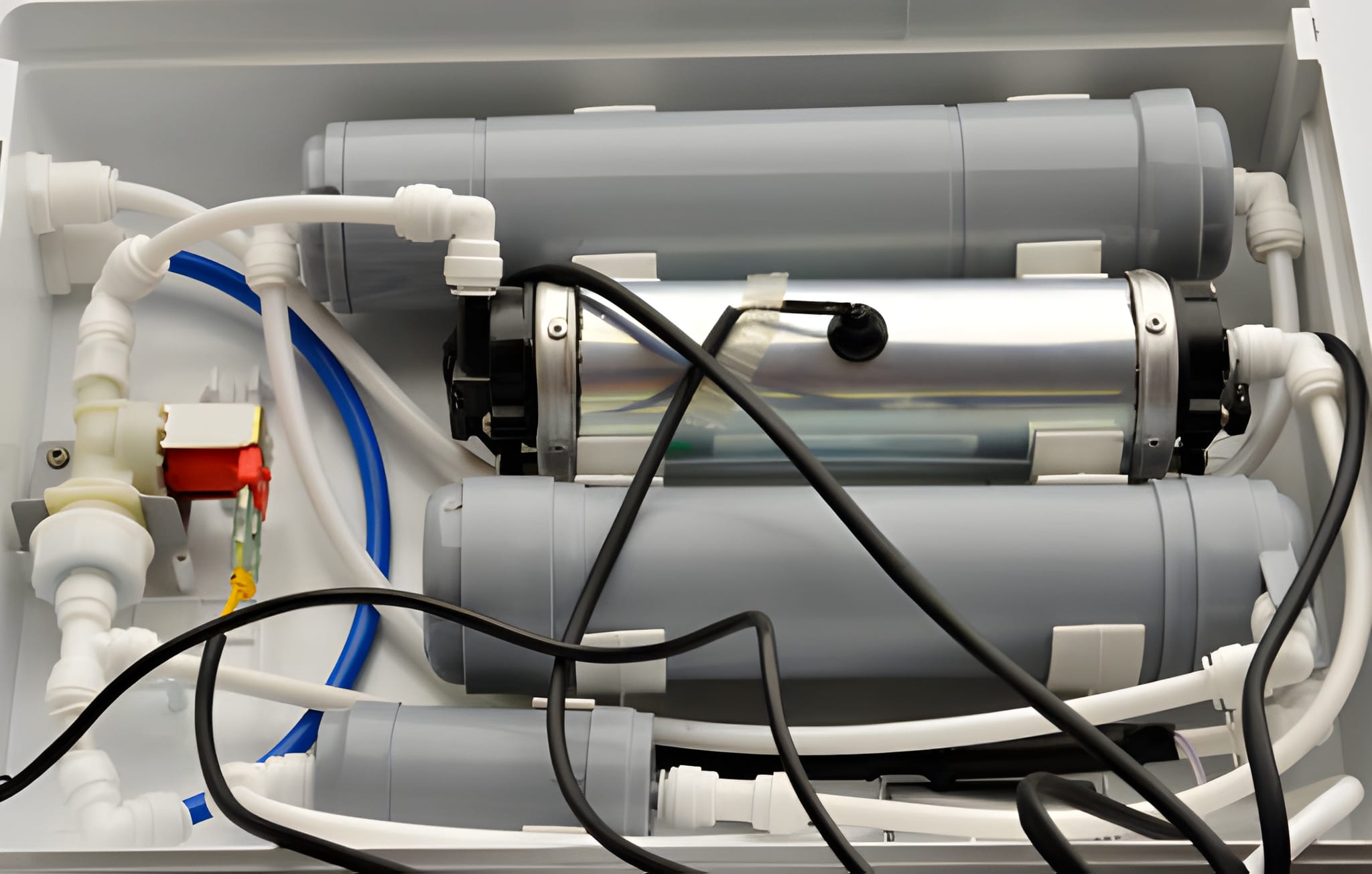
- Reverse osmosis (RO): High-efficiency point-of-use systems that remove dissolved solids, fluoride, lead, and many other contaminants; typically combined with a dedicated faucet.
- Water softening: Ion-exchange softeners that reduce hardness minerals to prevent scale, improve soap performance, and extend appliance life.
- Activated carbon filtration: Effective at removing chlorine, organic taste and odor compounds, and some volatile chemicals.
- UV disinfection (when needed): Adds biological protection by inactivating bacteria and viruses where microbial risk is a concern.
Consultation and water testing process
- Initial assessment: A technician reviews your household water usage, plumbing layout, and specific concerns such as taste, staining, or appliance issues.
- Water sampling: On-site testing for hardness, pH, chlorine, iron, TDS (total dissolved solids), and turbidity. If needed, samples are sent to a certified lab for advanced contaminant screening.
- Recommendations: Based on results, a system plan outlines whether a whole-home system, a point-of-use RO, a softener, or a combination is the most effective solution for your Simi Valley home.
- System selection considerations: Flow rate demands, available space, maintenance frequency, and whether you prefer tanked or tankless RO storage.
Professional installation steps
- Pre-install inspection: Verify main shutoff accessibility, adequate clearance, and any necessary plumbing modifications.
- Installation of point-of-entry systems: Mounting and securing pre-filters, carbon tanks, softener brine tanks, and required bypass valves plus proper drainage and overflow safeguards.
- Installation of point-of-use systems: Under-sink RO installs typically include pre-filters, RO membrane housing, storage tank, and dedicated faucet; certified fittings and pressure checks ensure leak-free performance.
- Commissioning and testing: Post-install water tests confirm performance targets, and technicians demonstrate normal operations and basic troubleshooting to the homeowner.
- Documentation: System specifications, filter types, and recommended service intervals are provided for reference.
Routine maintenance and filter replacement schedules
- Sediment and carbon pre-filters: Replace every 3 to 12 months depending on sediment load and usage.
- Reverse osmosis membranes: Replace or recondition every 2 to 5 years based on feed water quality and system usage.
- Carbon post-filters: Replace annually to preserve taste and odor performance.
- Water softener resin: Typically lasts 10 to 15 years; salt refills depend on household usage (monthly to quarterly checks).
- Annual professional inspection: Recommended yearly to test performance, check seals and valves, and ensure no bacterial growth or pressure issues.Following manufacturer and installer schedules keeps systems operating at peak efficiency and protects warranties.
Water quality testing after installation
- Baseline testing confirms contaminant reductions (chlorine, TDS, hardness, turbidity).
- Periodic testing verifies continued performance and detects seasonal shifts driven by regional supply changes.
- Testing is especially important in Simi Valley after nearby municipal work or drought-related source changes that can alter water chemistry.
Expected lifespan and warranties
- Component lifespans vary: carbon filters and pre-filters are short-life consumables, RO membranes medium-life, and tanks/resin often long-life.
- Many manufacturers offer warranties ranging from 1 to 10 years on major components; plumbing labor warranties are provided separately.
- Keeping a documented maintenance history is essential to preserve warranty coverage.
Common troubleshooting
- Reduced water pressure after installation: usually caused by clogged pre-filters or sediment buildup; check filter life and flow restrictors.
- Persistent taste or odor: may indicate exhausted carbon filters or an issue with plumbing downstream of the system.
- Leaks or drips: often due to loose fittings or worn seals; quickly isolate via shutoff valves and inspect before further use.
- RO system producing water slowly: check feed pressure, clogged pre-filters, or a failing membrane.
- Iron or staining persists: may require specialized iron-removal media or targeted treatment in addition to standard filtration.
Cost considerations and financing
- System costs depend on configuration: whole-home systems and softeners generally have higher upfront costs than single point-of-use RO units.
- Long-term savings come from reduced bottled water purchases, fewer appliance repairs, and improved energy efficiency where scale reduction improves heating efficiency.
- Financing options and local utility rebates may be available to help spread costs and offset equipment upgrades; review the financing and rebate eligibility tied to your chosen system.
Long-term benefits for Simi Valley homes
- Consistent improvement in taste, odor, and water clarity for drinking and cooking.
- Reduced scale on water heaters, dishwashers, and fixtures extends appliance life and lowers maintenance costs.
- Health and comfort benefits from removing chlorine and many common contaminants.
- Peace of mind with professionally tested performance and scheduled maintenance to match local water conditions.
FAQs
Q: How do I know if my Simi Valley home needs a whole-home system or just a point-of-use filter?A: If you want improved water for showers, appliances, and to protect plumbing from sediment and chlorine, whole-home filtration is best. For only drinking and cooking water improvements, a point-of-use RO or under-sink carbon filter is often sufficient. A water test will clarify needs.
Q: How often should filters be changed in our climate?A: In Simi Valley, replace sediment and carbon pre-filters every 3 to 12 months depending on turbidity and usage; RO membranes every 2 to 5 years; post-filters annually. Annual professional inspections are recommended.
Q: Will a water softener remove chlorine and taste issues?A: No. Softeners exchange hardness minerals but do not remove chlorine or many dissolved organics. Pairing a softener with carbon filtration gives both scale reduction and improved taste/odor.
Q: Can a reverse osmosis system waste a lot of water?A: Modern RO systems are more efficient and may include permeate pumps or low-waste designs. Waste ratios vary by model and water pressure; pre-treatment with sediment and carbon filters extends membrane life and improves efficiency.
Q: What should I expect during installation?A: Expect a site assessment, secure mounting, plumbing connections with bypass valves, pressure and leak testing, and post-install water testing to confirm performance.
Q: How long before I see results after installation?A: Many benefits, like improved taste and reduced chlorine odor, are immediate. Scale reduction and appliance performance improvements occur over weeks to months as mineral deposits are reduced.
Camarillo Plumbing provides expert system recommendations and supports long-term maintenance to ensure filtration systems perform reliably for Simi Valley homes.
hear what our satisfied clients have to say