

Reverse Osmosis in Ventura, CA
.avif)

Reverse osmosis (RO) systems are among the most effective point-of-use water-filtration solutions for homeowners in Ventura, CA who want consistently clean, great-tasting drinking water. With Ventura’s coastal environment, seasonal runoff, and variable source water chemistry, RO systems address elevated total dissolved solids (TDS), chlorine taste and odor, sediments after storms, and contaminants like nitrates or agricultural residues that can appear in local supply or private wells. Camarillo Plumbing installs and supports RO systems tailored to Ventura homes and common municipal and well-water conditions in the region.
How reverse osmosis works and what it removes
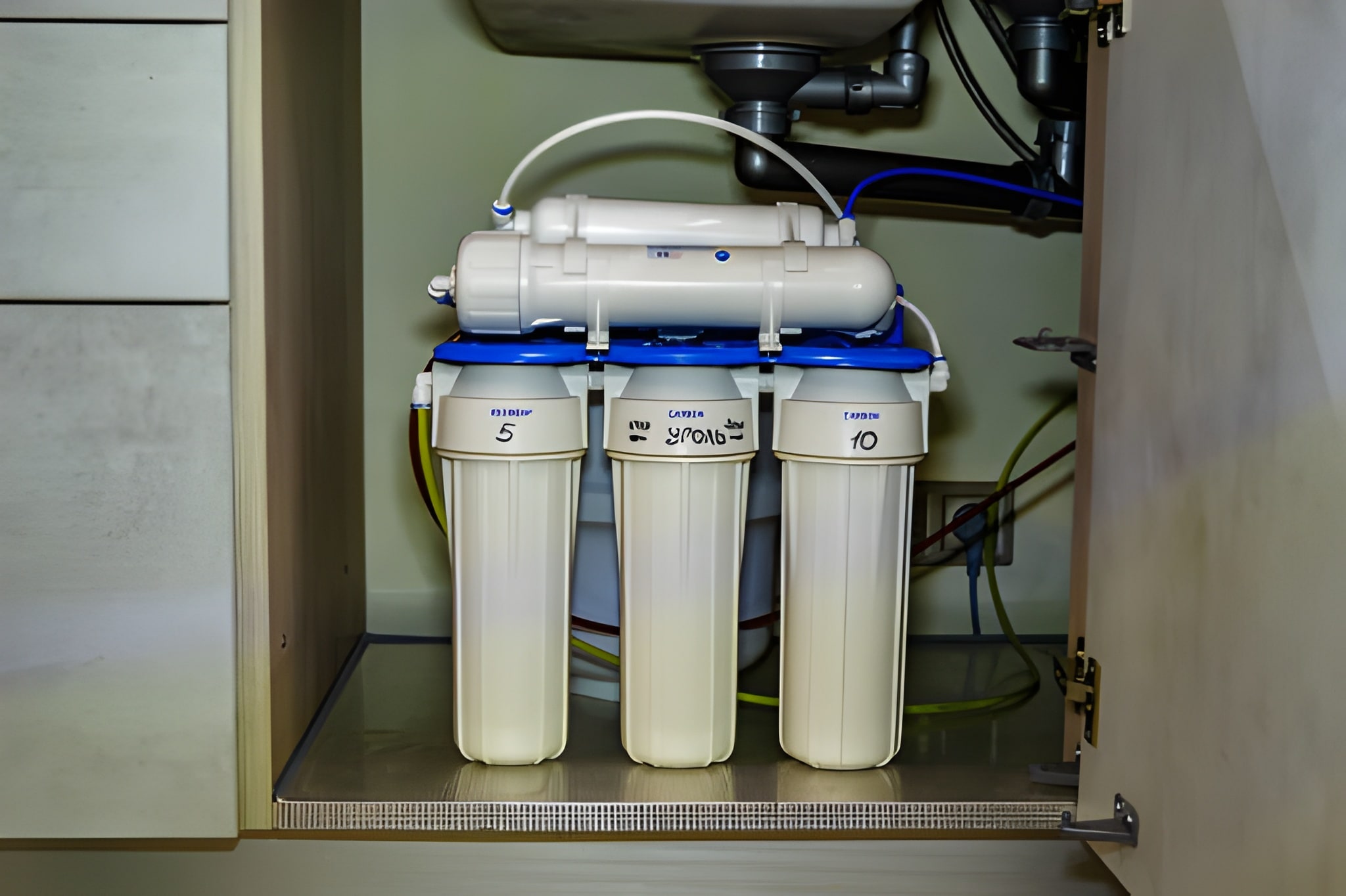
Reverse osmosis forces water through a semipermeable membrane to separate pure water (permeate) from concentrated waste (reject). RO systems typically include prefilters and postfilters to protect the membrane and polish water quality.
Common contaminants reduced or removed by RO
- Dissolved solids and salts (reduces TDS)
- Nitrates and nitrites
- Lead and some heavy metals
- Chlorine and many organic compounds (when combined with carbon prefilter)
- Fluoride and arsenic (with appropriate membrane)
- Some bacteria and cysts when followed by UV or certified membrane components
RO is not always necessary for every household; it is best used where drinking water quality or taste concerns are present or when specific contaminants need to be reduced below regulatory limits.
RO product types for Ventura homes
- Under-sink RO systems
- Most common for single-point drinking water needs.
- Offers high contaminant reduction with a compact footprint.
- Countertop RO systems
- Portable and do not require permanent plumbing modifications.
- Good for renters or secondary kitchen use.
- Whole-house / point-of-entry RO
- Rare for typical homes because RO membranes produce a reject stream and require large equipment.
- Considered primarily for properties with exceptionally poor source water or specialized uses (lab, medical, commercial).
- Hybrid systems
- RO paired with whole-home carbon filtration or water softening to protect the membrane and improve efficiency.
Site assessment and professional installation process
A professional assessment ensures the right system size and configuration for Ventura conditions.
Typical site assessment steps
- Review water source: municipal supply versus well water.
- Test key parameters: TDS, hardness, pH, chlorine, nitrates, iron, and microbial indicators as needed.
- Inspect plumbing layout and available space beneath the sink or for larger equipment.
- Determine water pressure and flow requirements to select pumps or permeate boosters if required.
Professional installation process
- Install prefiltration (sediment and carbon) to protect the RO membrane.
- Mount RO membrane housing and connect feed, drain, and storage tank lines using approved fittings.
- Install postfilter (carbon or remineralization cartridge) and dedicated faucet for RO water.
- Pressure test system, flush membranes per manufacturer guidelines, and verify product water quality.
- Provide documentation on filter types, capacities, and replacement intervals.
Pre- and post-filtration components and filter replacement schedules
Pre- and post-filters extend membrane life and improve taste.
Common components
- Sediment prefilter (5 micron or finer) — removes sand, silt, and particulates.
- Carbon block prefilter — removes chlorine and volatile organics that damage membranes.
- RO membrane — core contaminant removal stage.
- Post-carbon polish — improves taste and removes any residual odors.
- Remineralization cartridge (optional) — restores healthy minerals and raises pH for improved taste.
- UV sterilizer (optional) — provides microbial protection when source water risk exists.
- Storage tank and auto shut-off valve or permeate pump.
Recommended replacement schedule (typical)
- Sediment and carbon prefilters: every 6 to 12 months, depending on water quality and usage.
- RO membrane: every 2 to 4 years, depending on TDS and maintenance.
- Post-carbon and remineralization cartridges: every 6 to 12 months.
- UV lamp: annually if installed.
Local factors such as higher turbidity after Ventura storms or elevated chlorine levels can shorten filter life. Routine monitoring of flow rate and periodic TDS testing of product water helps determine optimal replacement timing.
Routine maintenance and common troubleshooting
Routine care keeps RO systems performing reliably.
Routine maintenance
- Replace pre and post filters on schedule.
- Sanitize and flush the system annually or per manufacturer guidance.
- Test product-water TDS periodically to detect membrane decline.
- Inspect fittings, lines, and storage tank pressure.
Common troubleshooting and simple fixes
- Low flow from RO faucet: Check storage tank pressure and prefilters for clogging.
- Cloudy or foul tasting water: Replace carbon postfilter or check for expired cartridges.
- Excessive wastewater/reject: Inspect feed pressure and check for clogged prefilters or failing membrane.
- Leaks: Tighten connections, replace worn tubing or O-rings, and check tank valves.
- High TDS on product water: Test feed TDS; replace membrane if degraded.
Comparing RO to other water-filtration options
- RO vs activated carbon filters
- Carbon removes chlorine and many organic chemicals but not most dissolved salts or nitrates. RO removes both dissolved solids and many chemicals when used with carbon prefiltration.
- RO vs water softeners
- Softeners exchange hardness ions (calcium, magnesium) and do not remove nitrates, lead, or TDS. Softening can help protect plumbing and appliances but does not replace RO for drinking water purity.
- RO vs whole-home carbon or sediment filtration
- Whole-home systems improve water for bathing and appliances and protect plumbing; RO delivers the highest purity for drinking and cooking at the point of use.
- RO vs distillation
- Distillation removes most contaminants but is energy intensive and slower. RO provides continuous filtration with lower operating energy.
Choosing the right combination often means pairing whole-home filtration or softening with an under-sink RO for drinking water.
Warranties, financing, and what to expect after installation
Manufacturers typically provide limited warranties on membranes and components, often ranging from one to several years. Professional installations commonly include a labor warranty covering workmanship for a defined period. Financing programs are commonly available through third-party providers for larger systems or full-house solutions. Homeowners should keep installation documentation and filter records to validate warranty claims and schedule routine service.
Benefits specific to Ventura homeowners
- Improved taste and reduced chlorine from municipal supply for better drinking and cooking water.
- Protection against seasonal sediment and turbidity following coastal storms or Santa Clara River runoff.
- Reduction of nitrates or agricultural contaminants in outlying or well-supplied properties.
- Less bottled water consumption and more consistent water quality during drought-driven supply changes.
Camarillo Plumbing’s experience in Ventura and surrounding communities supports tailored recommendations based on local source water trends and typical household needs.
FAQs
Q: How long does a professional under-sink RO installation typically take?A: Most installations are completed in 2 to 4 hours after site assessment and pre-install preparation, though added components like UV systems or booster pumps can increase time.
Q: Will an RO system waste a lot of water in Ventura’s current climate?A: RO systems do produce a reject stream; modern systems with permeate pumps or high-efficiency membranes reduce waste significantly. Whole-house strategies and pre-treatment can also improve overall system efficiency.
Q: Can RO remove bacteria and viruses from well water?A: RO membranes reduce many microorganisms, but for reliable microbial protection on well water a UV sterilizer or additional disinfection step is recommended.
Q: How will I know when to replace the RO membrane?A: Monitor product-water TDS and flow. A steady increase in TDS or a significant drop in flow typically indicates membrane replacement is needed.
Q: Is RO water safe for daily drinking long-term?A: Yes, RO water is safe. Some homeowners add a remineralization cartridge to restore beneficial minerals and improve flavor.
Q: Can an RO system be used if I have low water pressure?A: Low feed pressure can limit RO performance. A booster pump or pressure tank can be added to ensure adequate flow through the membrane.
hear what our satisfied clients have to say