
Sewer Line Replacement in Ventura, CA
.avif)

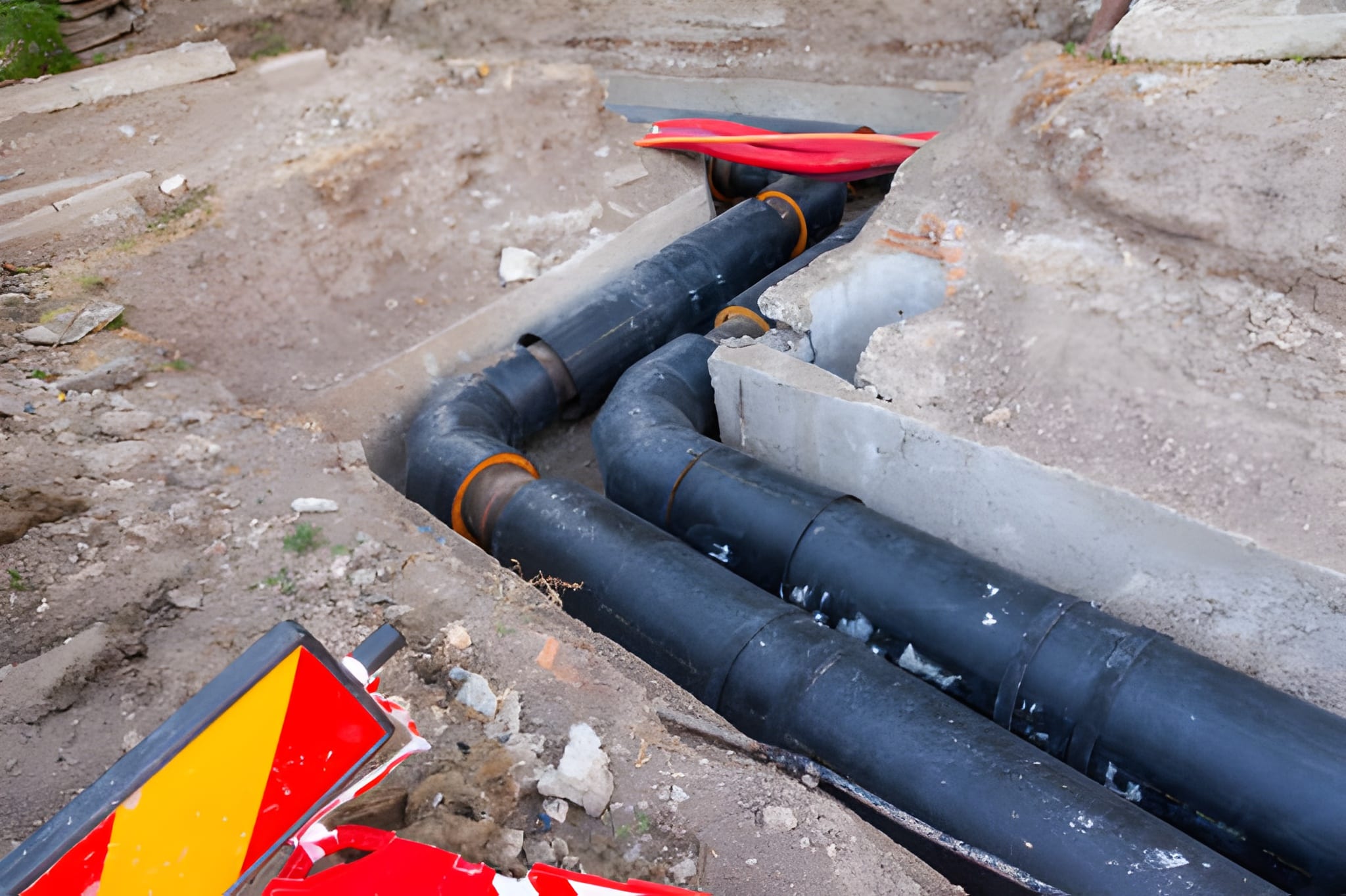
Sewer line replacement in Ventura, CA is a critical service when older pipes, root intrusion, corrosion, or collapses threaten your home or business. In Ventura homes and commercial properties, coastal soils, tree-lined streets, and aging clay or cast-iron lines increase the risk of recurring backups, slow drains, and soggy yards. Camarillo Plumbing provides clear, expert guidance on diagnosing failures, comparing trenchless and open-cut methods, and what to expect from start to finish so you can make an informed replacement decision.
Common sewer line problems in Ventura
- Repeated backups or multiple clogged fixtures - signs of a main line failure rather than an isolated drain.
- Sewage odors in yard or near foundation - often indicates leaks or breaks underground.
- Sagging or wet spots in yard - soil saturation from a leaking line.
- Age-related corrosion or collapsed pipe - older clay, cast iron, or vitrified clay pipes are prone to failure.
- Root intrusion - local trees frequently penetrate joints, causing cracks and blockages.
- Inflow and infiltration during storms - heavy winter rains can reveal broken joints and poor seals.
How technicians diagnose sewer failures
- Initial assessment - technicians gather symptoms, historical repairs, and property layout to target the location.
- Hydro-jetting prep - high-pressure water cleaning removes debris and roots so a camera can get a clear view. Hydro-jetting also often improves flow temporarily and identifies the full extent of damage.
- Sewer camera inspection - a video camera is run through the line to document cracks, offsets, root intrusion, collapsed sections, bellies (sags), and joint separation. The camera report informs the replacement method and scope.
- Utility locates and soil assessment - locating potable, gas, and electrical lines and evaluating soil type and groundwater conditions guides safe excavation or trenchless planning.
Trenchless methods versus traditional excavation
Understanding the pros and cons helps choose the right solution for your property in Ventura.
- Pipe lining (Cured-in-Place Pipe - CIPP)
- Pros: Minimal surface disruption, preserves landscaping and hardscapes, durable, often completed in a day for short runs.
- Cons: Reduces internal diameter slightly, not ideal for severely collapsed or offset lines, requires access points.
- Best for: Cracks, corrosion, and longitudinal separation in otherwise continuous pipes.
- Pipe bursting
- Pros: Replaces pipe with new material and restores full diameter, useful when the existing pipe is severely damaged.
- Cons: Requires two excavation pits for entry and exit, moderate surface disruption at those locations, not ideal under very tight utility zones.
- Best for: Collapsed pipes or pipes with repeated failures where a full replacement is needed.
- Traditional open-cut excavation
- Pros: Full visual access to the pipe and surrounding soil, best when lateral connections, extreme offsets, or tie-ins to structures require direct access.
- Cons: Most disruptive to landscaping, longer timeline for excavation and site restoration, may require significant restoration of driveways, patios, and landscaping.
- Best for: Complex repairs, multiple service tie-ins, or when trenchless access is not feasible.
Step-by-step replacement process
- Diagnostic inspection and written scope - camera results, location map, and repair recommendation.
- Permitting and code review - submit plans and obtain necessary local permits and inspections.
- Utility locates and site protection - mark underground utilities, protect landscaping and structures.
- Hydro-jetting and pre-cleaning - clear the line so replacement can proceed effectively.
- Execute chosen method - trenchless lining or bursting, or open-cut excavation and pipe removal.
- Pressure and leak testing - verify integrity after installation.
- Tie-ins and final connections - secure lateral lines and cleanouts.
- Backfill, compaction, and site restoration - restore soil, turf, paving, and irrigation to code standards.
- Final inspection and documentation - permit closeout and warranty paperwork.
Expected timeline
- Diagnosis and permit acquisition - typically a few days to two weeks depending on permit turnaround.
- Trenchless replacement - often completed in 1 to 2 days for most residential lines once permits are issued.
- Traditional excavation - typically 2 to 7 days depending on length, depth, and restoration needs.
- Site restoration - can add several days to regrade, compact, and replant or repair hardscapes.
Site restoration and landscaping impact
Trenchless methods minimize visible disruption, limiting work pits to a few square feet for access. Open-cut replacements involve trenching that affects lawn, planting beds, driveways, and patios. Proper restoration includes compacting backfill in lifts, replacing topsoil, repairing irrigation, and matching existing hardscape materials. In Ventura’s coastal climate, attention to erosion control and using native drought-tolerant replanting options can speed recovery and reduce future irrigation issues.
Permits and code compliance
Local permits and final inspections are standard. Requirements typically cover tying into the public sewer, backflow prevention, slope and bedding standards, and abandonment of old lines. Compliance protects public health and ensures warranty validity. Camarillo Plumbing prepares permit-ready documentation and coordinates inspections to meet Ventura area code expectations.
Cost factors and financing/options
Replacement cost depends on:
- Line length and depth
- Pipe material and diameter
- Soil type and groundwater level
- Accessibility and presence of driveways, sidewalks, or landscaping
- Method chosen (trenchless vs open-cut)
- Permit, inspection, and restoration costsMany property owners explore financing plans or payment options through third-party lenders to spread installation cost over time; details vary and should be reviewed for terms and qualifications.
Warranty and post-install maintenance
Most installations include manufacturer warranties for materials and a workmanship warranty for labor. Warranties vary by method; cured-in-place liners often carry extended material warranties. Recommended post-install maintenance:
- Schedule periodic sewer camera inspections, especially after heavy rains or if trees are nearby.
- Hydro-jet every few years when root-prone trees are present to prevent re-intrusion.
- Install or maintain a sewer cleanout for easier access.
- Avoid planting large trees directly over sewer runs and consider root barriers.
Emergency versus planned replacements
Emergency replacements respond to active sewage backups, collapsed lines, or rapidly sinking yard areas and often require immediate stabilizing measures and expedited permits. Planned replacements allow time for diagnostics, permit processing, and selecting a less disruptive method like trenchless lining or bursting. Typical preparation for either type includes moving vehicles, protecting pets, and securing irrigation valves in affected areas.
FAQsQ: How do I know if my sewer line needs replacement rather than repair?A: Multiple repeated backups, visible collapse on a camera inspection, severe root intrusion, or long runs with continuous corrosion typically indicate replacement is the longer-term solution.
Q: Will trenchless methods fix all sewer problems?A: Trenchless lining and bursting solve many issues but are not appropriate for severely offset pipes, complex lateral tie-ins, or situations where pipe access is blocked; camera inspection determines suitability.
Q: How long will a new sewer line last?A: Modern materials such as HDPE or properly installed CIPP liners can last 50 years or more when installed to code and maintained.
Q: Will insurance cover sewer line replacement?A: Coverage depends on your policy and cause of failure; sudden catastrophic damage may be covered differently than gradual wear or lack of maintenance.
Q: How disruptive is the repair to my daily routine?A: Trenchless jobs usually allow minimal disruption and fast completion; excavations will be more disruptive for the duration of the work and restoration period.
Q: What maintenance should I perform after replacement?A: Keep cleanouts accessible, avoid flushing grease and non-degradable items, schedule periodic camera checks, and maintain landscaping to prevent root issues.
hear what our satisfied clients have to say