

Sewer Camera Inspection in Fillmore, CA
.avif)

Sewer camera inspection is the first step to diagnosing hidden problems in your sewer line without unnecessary digging. For Fillmore homes and businesses, Camarillo Plumbing uses high-definition, truck-mounted camera systems to deliver real-time video of pipe interiors, pinpointing blockages, breaks, root intrusion, and corrosion so repairs can be planned accurately and efficiently.
Why a sewer camera inspection matters in Fillmore, CA
Fillmore’s Mediterranean climate, mature landscaping, and older neighborhoods make sewer issues more likely to hide below grade. Seasonal dry spells followed by winter rains can shift soil and encourage tree roots to grow toward pipes. Many Fillmore properties still have older clay or cast-iron lateral lines that are prone to cracking, offset joints, and root intrusion. A camera inspection reveals the true condition of pipes before you authorize any repair method, preventing unnecessary excavation and enabling targeted, cost-effective solutions.
Common sewer problems diagnosed with a camera
Cameras can identify problems that traditional visual checks and surface symptoms cannot. Typical findings in Fillmore include:
- Blockages from grease, hair, paper buildup, or debris
- Tree root intrusion at joints and cracks
- Pipe breaks, fractures, and offsets caused by settling or ground movement
- Corrosion and scale buildup in older metal pipes
- Sediment buildup in low-flow sections of the line
- Collapsed or severely deteriorated sections requiring replacement
What to expect during a sewer camera inspection
- Access and entry: The technician locates a cleanout or other access point and prepares the line. If an access point is not available, minimal excavation may be required to reach the line.
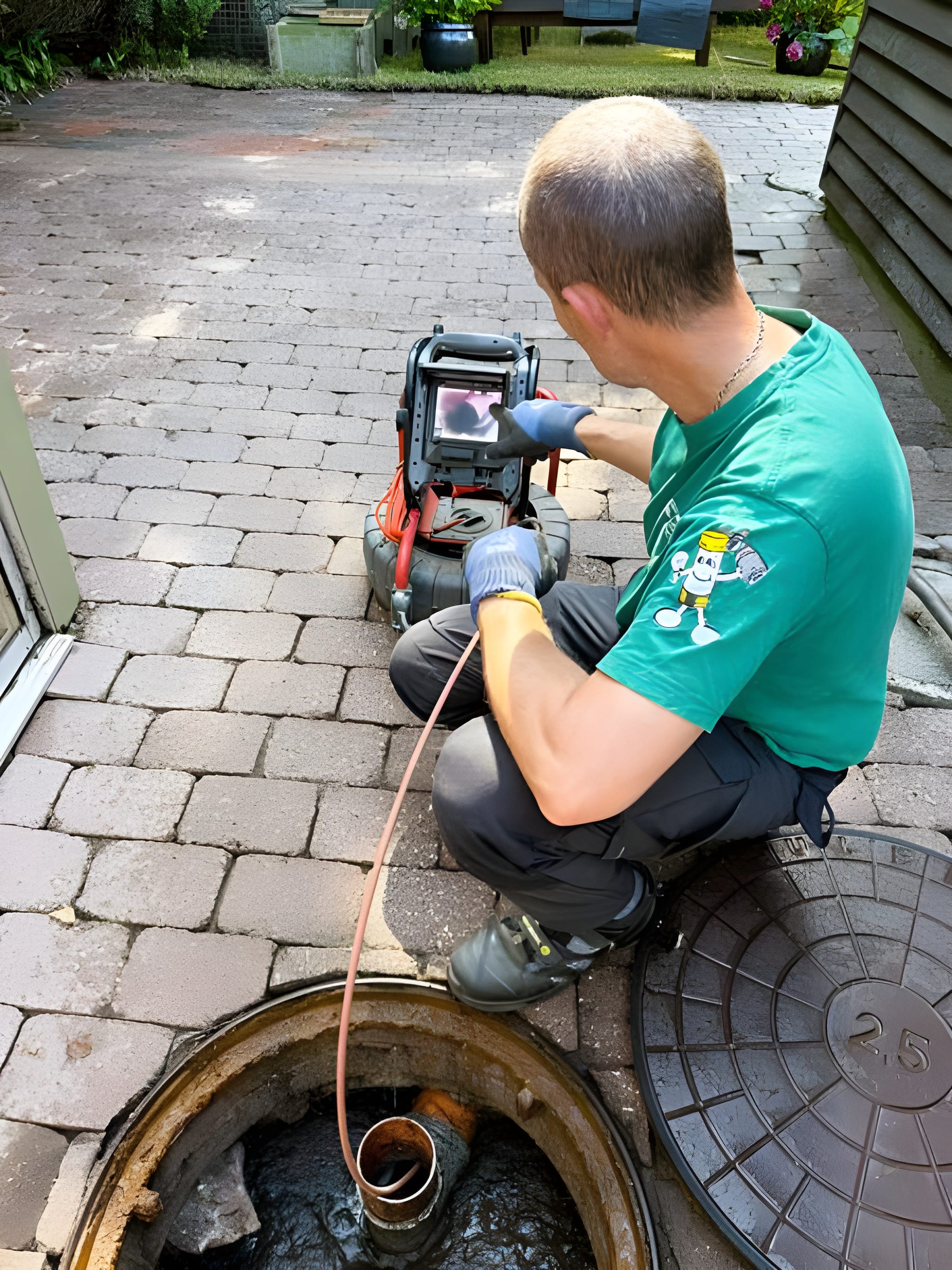
- Camera insertion: A fiberoptic, waterproof camera on a flexible push rod is inserted into the pipe. For longer distances, a reel-mounted system with sonde tracking is used.
- Live video and locating: The camera transmits live, high-definition video to the operator while a sonde (radio transmitter) provides above-ground location data, marking the position of issues relative to the property and street.
- Recording and analysis: The entire inspection is recorded. The operator documents problem locations, material types, and severity while noting potential causes and repair options.
- Review and recommendations: Findings are summarized in a written report with time-stamped video clips and still photos, plus recommended next steps tailored to the severity and location of the issues.
Types of lines and properties inspected
Camarillo Plumbing inspects:
- Residential laterals from the house to the sewer main
- Public mainline connections (coordination with agencies may be required)
- Commercial sewer lines and building drains
- Long runs, multiple lateral connections, and hard-to-access linesInspections can be performed as a one-time diagnostic, as part of routine preventive maintenance, or to verify repairs after hydro-jetting or trenchless lining.
How findings are documented
Inspections are documented thoroughly to support repair planning and contractor decisions:
- Full video recording of the inspection
- Time-stamped high-resolution still images of defects
- Written report that identifies exact footage locations, pipe material, diameter, slope issues, and recommended repairs
- Sonde location maps or GPS markers when underground locating is requiredDeliverables make it easier to compare repair options and provide clear evidence for insurance or municipal permitting when necessary.
Typical inspection timeline and cost factors
- On-site inspection time: Most diagnostic camera runs take 30 to 90 minutes depending on line length and access complexity. Prepping access and post-inspection cleanup can add time.
- Factors that influence cost: Pipe length and diameter, accessibility of cleanouts, degree of obstruction, number of lateral lines, and whether locating equipment or minor excavation is required.Camarillo Plumbing provides transparent estimates based on inspection findings so you can compare targeted repair methods without surprises.
Recommended next steps after inspection
Based on camera findings, common next steps include:
- Hydro-jetting to remove grease, scale, and soft root masses and restore flow
- Targeted mechanical root cutting for localized root intrusion
- Trenchless repair options such as cured-in-place pipe (CIPP) lining when the pipe is intact but deteriorated
- Spot repair or targeted excavation for collapsed sections or severe structural failures
- Full trench replacement for extensively damaged or collapsed systemsA precise camera inspection allows the most appropriate and least invasive solution to be chosen.
Benefits of non-invasive diagnosis
- Accurate problem location reduces unnecessary digging and landscape disruption
- Enables selection of the most cost-effective repair method
- Faster decision making with video evidence and written recommendations
- Reduces risk of repeat failures by diagnosing root causes rather than treating symptomsFor Fillmore property owners, non-invasive inspection helps preserve yards, driveways, and mature trees while delivering confidence in the repair plan.
Preventive maintenance tips for Fillmore properties
- Schedule periodic camera inspections if your home is older or near mature trees
- Avoid disposing of grease, fibrous cooking waste, and large amounts of paper in drains
- Maintain landscaping so major roots are not planted directly above sewer lines
- Have lines hydro-jetted as needed to prevent buildup and slow root encroachmentProactive maintenance extends the life of sewer lines and reduces the chance of emergency backups.
FAQs
Q: How long does a sewer camera inspection usually take?A: Most inspections, including setup and review, take about 30 to 90 minutes on site depending on line length and access.
Q: Will a camera inspection fix the problem?A: No. A camera inspection diagnoses the issue and documents condition; subsequent repair options like hydro-jetting, trenchless lining, or excavation are used to fix the problem.
Q: Can a camera inspection locate where the problem is under my yard or sidewalk?A: Yes. A sonde transmitter on the camera provides above-ground locating so exact problem locations can be marked for repair planning.
Q: Do you inspect both residential and commercial lines?A: Yes. Inspections are available for residential laterals, commercial building drains, and mainline pipework with documentation appropriate to each use.
Q: Will I get a written report and video?A: Yes. Deliverables typically include recorded video, still photographs, and a written report identifying locations and repair recommendations.
Camarillo Plumbing’s sewer camera inspection services in Fillmore, CA provide precise, non-invasive diagnostics to guide repairs, protect property, and reduce long-term costs by addressing the root cause of sewer problems.
hear what our satisfied clients have to say