
Hydro Jetting in Fillmore, CA
.avif)
Hydro jetting is a professional, high-pressure water cleaning method used to clear sewer lines, main drains, and tough pipe blockages. In Fillmore, CA, where older neighborhood infrastructure, mature trees, and a mix of residential and light-commercial properties can combine to create persistent clogs, hydro jetting provides a reliable, long-lasting solution that goes beyond what a standard drain snake can achieve. Camarillo Plumbing applies industry best practices—including pre- and post-inspection with CCTV—so you get a complete service that protects your plumbing and reduces repeat callouts.
Why hydro jetting matters for Fillmore homes and businesses
- Older clay, cast-iron, and early PVC lines in Fillmore can accumulate years of grease, mineral scale, and root intrusion.
- Tree-lined streets and yards common in Ventura County increase the chance of root penetration into joints and cracks.
- Seasonal winter storms and irrigation patterns can introduce extra debris and sediment into sewer systems.Hydro jetting restores full pipe capacity by blasting away grease, soap scum, roots, sand, and mineral buildup rather than just punching a hole through the clog.
Common problems hydro jetting fixes in Fillmore
- Grease and fat buildup from kitchens and restaurants
- Root intrusion from street and yard trees
- Mineral and calcium scale in older pipes or hard-water areas
- Sand, silt, and debris after storm runoff or construction
- Recurring backups in main sewer lines and septic effluent lines
- Slow drains and partial blockages that resist mechanical snaking
Diagnostic steps: why CCTV sewer inspection is recommended
Before hydro jetting, Camarillo Plumbing typically recommends a CCTV sewer camera inspection to:
- Identify exact blockage location and cause (roots, collapses, offset joints)
- Assess pipe material and condition to confirm hydro jetting is safe
- Determine access points and plan the safest cleaning approachA video inspection prevents unnecessary damage to fragile pipes and provides before-and-after proof of a successful cleaning.
How hydro jetting works (plain-language overview)
- Access: The technician opens an existing cleanout or strategic access point near the blockage.
- Camera: A CCTV camera may run ahead to map the problem and confirm pipe condition.
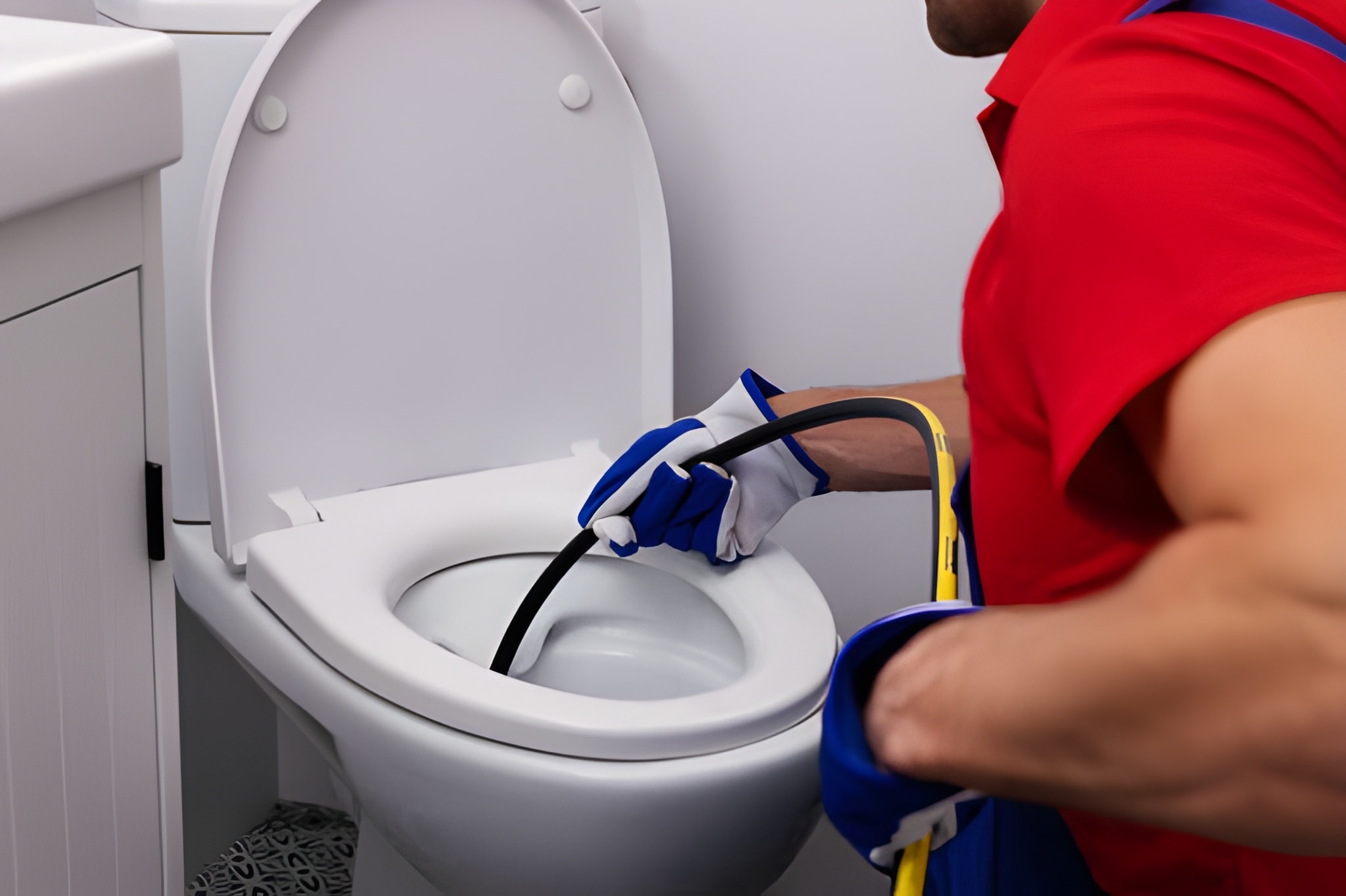
- Jetting: A specialized hose with a high-pressure nozzle is fed into the line. Water is forced out the rear-facing jets at high flow and pressure, scouring the pipe walls and pushing debris toward the main sewer or downstream cleanout.
- Verification: The camera is re-run to confirm the pipe is clear and structurally sound.Hydro jetting removes the buildup on the pipe walls and dislodges roots and debris, restoring full flow rather than just creating a narrow channel.
Benefits over traditional snaking
- More thorough cleaning: Removes the coating of grease and scale, not just a core channel.
- Longer-lasting results: Reduces frequency of repeat clogs.
- Preventative: Eliminates small accumulations before they develop into full blockages.
- Environmentally friendlier: Uses high-pressure water instead of harsh chemicals.Note: Hydro jetting is powerful; it should only be used after assessing pipe integrity. In severely deteriorated lines, alternative methods or repairs may be safer.
Residential vs. commercial use cases
Residential:
- Main sewer line cleaning after recurring toilet and drain backups
- Kitchen and laundry lines clogged with grease or lint
- Preventative maintenance for older Fillmore homes with mature landscaping
Commercial:
- Restaurant grease lines and kitchen wastewater systems
- Multi-tenant buildings with frequent drain issues
- Municipal or industrial drains that accumulate sediment and scaleCamarillo Plumbing tailors pressure levels and nozzle types to pipe material and the severity of buildup in each setting.
Expected timeline and pricing factors
Timeline:
- Small residential jobs with a single mainline blockage often take 1–3 hours, including inspection.
- Larger or commercial jobs, multiple laterals, or heavy root cutting can require a half day or more.Pricing factors (examples of what influences cost):
- Length and depth of the affected line
- Severity and type of blockage (roots and scale take longer)
- Need for CCTV inspection before and after
- Accessibility of cleanouts and worksite conditions
- Whether pipe repairs or root cutting are required after cleaningProviding clear diagnostics up front helps set realistic timelines and expectations.
Preparation and post-service care
Preparation:
- Clear access to the exterior cleanout and any interior areas near drains.
- Avoid using water-intensive appliances just before service to reduce flow interference.
- Remove vehicles or obstacles if technicians need to access exterior sewer lids or easements.Post-service:
- Run several fixtures to flush loosened debris through the system.
- Review CCTV results to understand pipe condition and any recommended repairs.
- Implement routine maintenance intervals—hydro jetting every 12–36 months is common for properties with recurring issues.
Safety and environmental considerations
- Hydro jetting uses high-pressure water only; it avoids the toxic runoff associated with many chemical cleaners.
- Technicians wear proper PPE and follow safety protocols to protect property and personnel.
- In cases of heavy root removal or structural damage, jetting is combined with repair recommendations to prevent future failures.
- Proper disposal and containment of any extracted debris follow local regulations to protect storm drains and sensitive areas near the Santa Clara River.
Emergency vs. routine service expectations
- Emergency situations, such as a full sewer backup, require immediate response and prioritized service; technicians will first clear backups and secure sanitation before performing more extensive cleaning.
- Routine maintenance is scheduled during standard service hours, with diagnostic inspections and planned hydro jetting to prevent emergencies.Camarillo Plumbing’s teams evaluate urgency based on symptoms (slow drains vs. active backups) and recommend the appropriate response, from temporary relief to full-line hydro jetting and inspection.
Long-term value and maintenance advice
Hydro jetting is an investment in system longevity and reduced disruption. For Fillmore properties, regular maintenance can protect older sewer lines, reduce emergency repairs, and improve overall plumbing performance. Combine hydro jetting with periodic CCTV checks, root management strategies for landscaped properties, and grease-control practices in kitchens to maximize the lifespan of your plumbing system.
FAQs
Q: Is hydro jetting safe for older pipes?A: Hydro jetting is safe when preceded by a CCTV inspection that confirms the pipe can tolerate high-pressure cleaning. Severely deteriorated or collapsed pipes may require repair or replacement instead.
Q: How often should I jet my main sewer line?A: Frequency depends on use and conditions; many homeowners schedule hydro jetting every 12–36 months. Properties with heavy grease use, aggressive root intrusion, or recurring issues may need it more often.
Q: Will hydro jetting remove tree roots completely?A: Hydro jetting can cut and remove intrusive roots inside the pipe, but if roots repeatedly invade through damaged joints or cracks, pipe repair or replacement may be necessary to prevent regrowth.
Q: Will hydro jetting use harmful chemicals?A: No. Hydro jetting relies on high-pressure water and does not require chemical cleaners, making it an environmentally preferable option.
Q: What should I expect after service?A: Expect improved flow, clearer CCTV footage, and recommendations for follow-up repairs or maintenance if pipe damage was found. Technicians typically advise on prevention steps like grease control and scheduled inspections.
hear what our satisfied clients have to say