
Toilet Repair in Ventura, CA
.avif)
Toilet problems disrupt daily life and can cause hidden water waste or property damage if left unaddressed. In Ventura, CA homes, coastal air, mineral buildup from moderately hard water, and older plumbing in historic neighborhoods increase the likelihood of leaks, corrosion, and failing seals. Camarillo Plumbing brings experienced diagnostic work and practical repairs tailored to local conditions so your toilet functions reliably and conserves water.
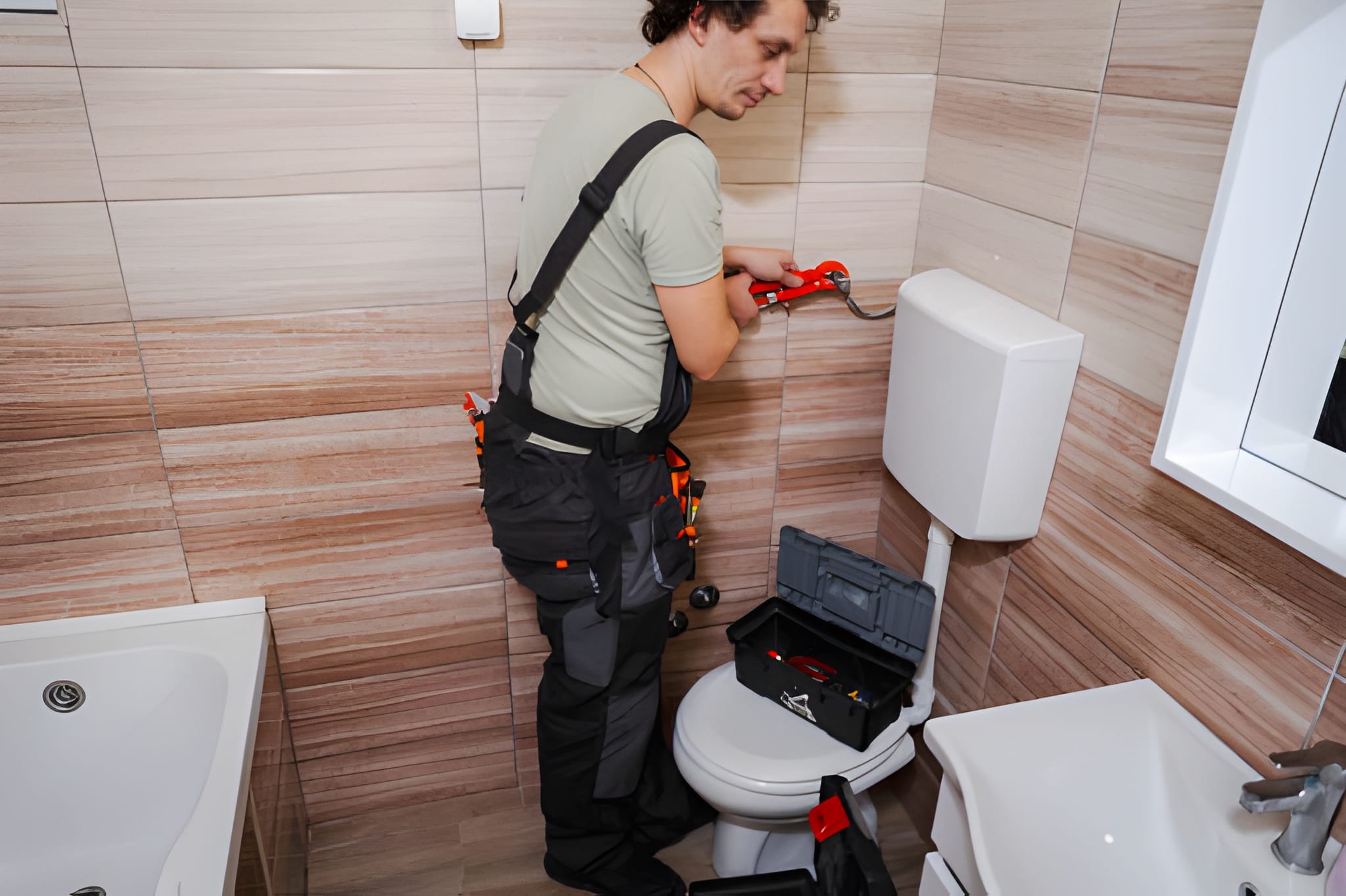
Common toilet problems in Ventura, CA homes
- Running toilet: Constant water flow from tank to bowl wastes water and raises utility bills. Often caused by a worn flapper or faulty fill valve.
- Persistent clogs: Recurrent blockages from paper, wipes, or buildup can indicate a partial line obstruction or toilet trap damage.
- Leaks at the base: Water pooling around the base usually means a failed wax ring or damaged flange. Coastal soil shifts and older floor finishes in Ventura can accelerate flange problems.
- Cracked bowl or tank: Cracks mean the fixture must be replaced to prevent sudden failure and leaks.
- Faulty flush mechanisms: Broken handles, corroded trip levers, or misaligned flush valves lead to weak flushes or no flush.
- Slow refill or no refill: Sediment in the supply or failing fill valves cause slow tank refills and poor performance.
- Wobbling toilet: Loose closet bolts or a deteriorated flange can create movement and eventual leaks.
How we diagnose toilet issues
A systematic diagnosis pinpoints the root cause without unnecessary parts replacement:
- Visual inspection of tank and bowl components for corrosion, cracks, and mineral buildup.
- Leak tests using dye in the tank to discover invisible flapper or flush-valve leaks.
- Shutoff and supply inspection to confirm proper water pressure and check for debris in the fill valve.
- Base inspection and floor probe to determine if the flange or wax ring is compromised.
- Closet auger use and, when needed, a sewer camera to identify deeper line obstructions or sewer-line problems that cause recurring clogs.
- Assessment for signs of corrosion from salty coastal air, which affects metal bolts, flush handles, and supply lines in Ventura homes.
Common repair procedures explained
- Flapper replacement: The most common fix for running toilets. Replacing a worn or warped flapper stops phantom flushing and is a quick repair.
- Fill valve replacement: Replacing a failing fill valve restores correct tank fill level and prevents continuous running.
- Flush-valve and trip-lever repairs: Adjusting or replacing these restores full flush power and proper chain length, improving efficiency.
- Wax ring and flange repair: If the toilet leaks at the base or wobbles, the wax ring and flange are inspected and replaced as needed. If the flange is corroded or broken, it can be repaired or reset to ensure a secure seal.
- Bolt and seat replacement: Corroded closet bolts, seat bolts, and caps are replaced; toilet is reseated for stability.
- Crack evaluation and replacement: Hairline cracks can expand; cracked bowls or tanks require full replacement for safety.
- Persistent clog solutions: Closet augers clear most toilet traps. For recurring clogs, camera inspection and targeted sewer cleaning or hydro jetting may be necessary to clear mainline buildup.
Full replacement and upgrade options
When repair is not cost-effective or you want an upgrade, replacement options include:
- Low-flow toilets (high-efficiency models): Modern toilets that use about 1.28 gallons per flush help reduce water use and comply with California efficiency trends.
- Dual-flush toilets: Provide separate partial and full flush options for water savings while maintaining performance.
- ADA-compliant and comfort-height models: Taller bowls and ADA-compliant designs improve accessibility and comfort for many households.
- One-piece vs two-piece designs: One-piece toilets are easier to clean and less prone to leaks at the tank-to-bowl joint; two-piece models are often more economical.
- Specialized options: Pressure-assisted or gravity-fed high-efficiency toilets for homes that need stronger flush performance.Choosing the right model depends on bathroom layout, water saving goals, and local plumbing codes.
Parts, warranty, and service availability
- Parts: High-quality replacement parts including flappers, fill valves, flush valves, and wax rings are used. In coastal Ventura, corrosion-resistant hardware and stainless-steel bolts are recommended to resist salty air.
- Warranty: Manufacturer warranties typically cover parts; installations are backed by workmanship guarantees. Specific warranty terms vary by part and manufacturer.
- Same-day and emergency service: Many common repairs like flapper, fill valve, and seal replacements can be completed same day. Emergency response is available for major leaks that risk water damage or flooding.
Preventative maintenance to avoid future issues
- Inspect the tank internals annually: Check the flapper, fill valve, and chain for wear and replace worn parts before they fail.
- Test for silent leaks: Place colored dye in the tank; if color appears in the bowl without flushing, replace the flapper or flush valve.
- Avoid flushing non-dissolvable items: Even products labeled flushable can lead to clogs and line buildup.
- Clean mineral deposits: Remove hard water buildup on the rim holes and jets to maintain flush performance; consider a water-softening solution if mineral scaling is recurrent.
- Secure bolts and caulk: Check toilet stability and recaulk the base if water accumulates or the toilet rocks.
- Professional inspection for recurring clogs: A camera inspection of the drain line can catch root intrusion, collapse, or grease buildup before it becomes a larger outage.
FAQs
Q: How do I know if my toilet needs a new wax ring or a full replacement?A: If you see water at the base, notice sewer smells, or the toilet wobbles, the wax ring or flange is likely the problem; if the bowl or tank is cracked, the entire toilet needs replacing.
Q: What causes a toilet to run all the time and waste water?A: Most commonly a worn flapper or misadjusted fill valve allows water to leak from the tank to the bowl; mineral buildup or corroded parts from coastal conditions can accelerate wear.
Q: Can clogs be a sign of sewer-line issues in Ventura?A: Yes. Recurrent clogs may indicate mainline blockages, root intrusion, or pipe damage. A camera inspection helps determine if the problem is the toilet or the sewer line.
Q: Are low-flow or dual-flush toilets recommended for Ventura homes?A: Yes. Low-flow and dual-flush models conserve water and perform well when properly installed. They are a good fit given California water conservation priorities.
Q: How often should toilet parts be replaced?A: Small parts like flappers and fill valves often last 3 to 7 years depending on water quality; seals and wax rings are replaced when signs of failure appear or during a reseat.
Q: What maintenance helps prevent corrosion in coastal Ventura homes?A: Using corrosion-resistant hardware, rinsing visible metal parts occasionally, and scheduling inspections will reduce failures from salt air exposure. Regularly replacing compromised metal components prevents leaks and damage.
hear what our satisfied clients have to say