

Leak Detection in Ventura, CA
.avif)

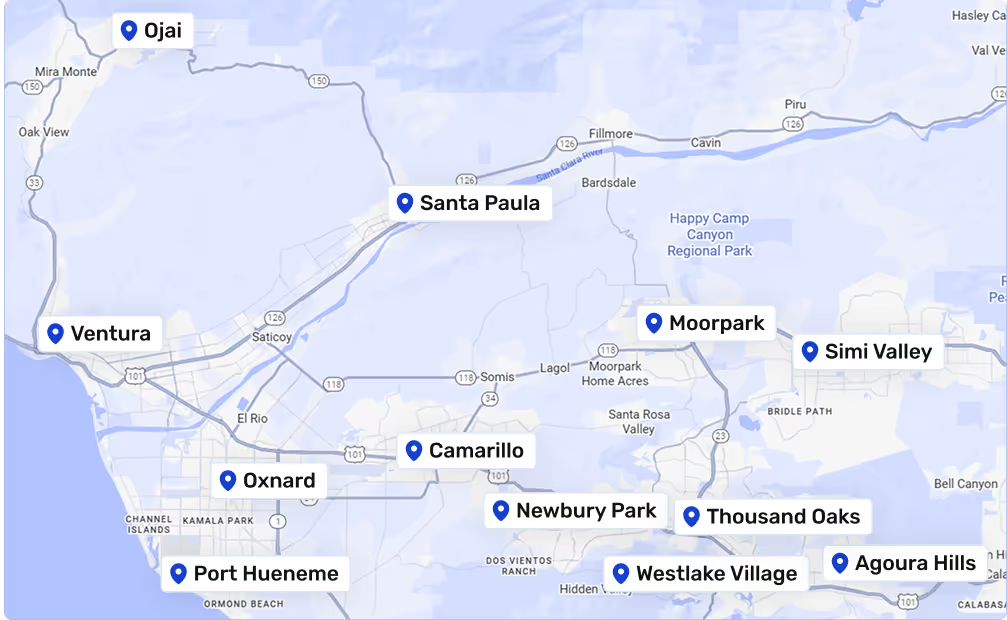
Hidden leaks waste water, damage structures, and drive up utility bills. In Ventura, CA, where coastal salt air and seasonal drought create unique stresses on plumbing systems, early and accurate leak detection is essential for protecting homes and businesses. Camarillo Plumbing provides professional leak detection services in Ventura using electronic and acoustic leak tracing, slab and underground location, infrared thermal imaging, and sewer camera diagnostics to find and document even the most concealed leaks.
Why professional leak detection matters in Ventura, CA
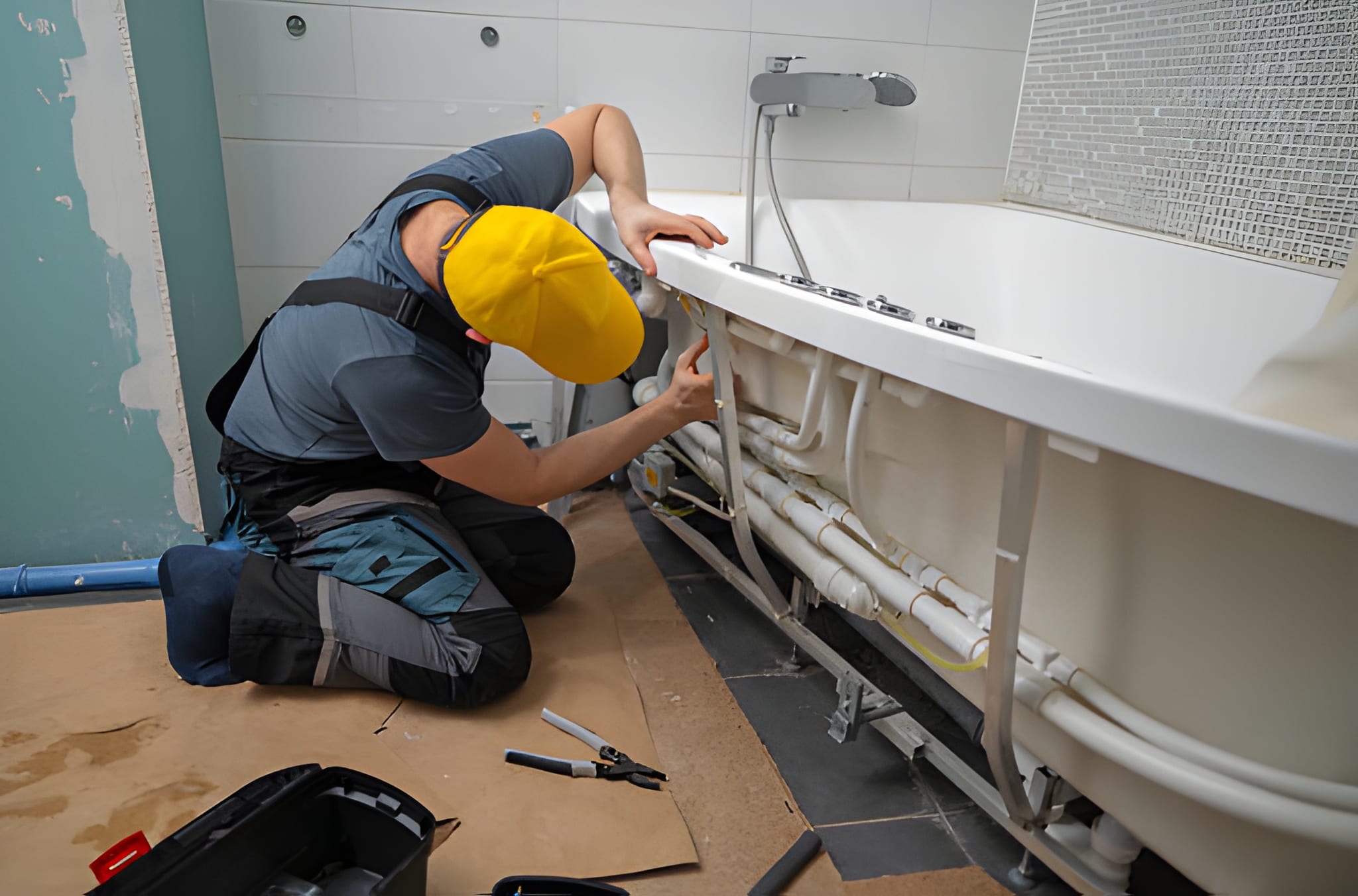
Ventura’s Mediterranean climate and proximity to the ocean accelerate corrosion in exposed piping and fixtures. Older neighborhoods with slab foundations and stucco construction are especially vulnerable to slab leaks and hidden pipe failures. At the same time, regional water restrictions make immediate leak repair both an environmental and financial priority. Professional diagnostics limit unnecessary excavation and pinpoints failures so repairs are targeted and durable.
Common signs of hidden leaks in Ventura homes
- Unexplained increase in water bills or sudden spikes in usage
- Persistent damp spots, musty odors, or discoloration on walls, ceilings, or flooring
- Warm patches on tile or carpet from hot water leaks under slabs
- Low water pressure, gurgling toilets, or slow drains indicating sewer or supply leaks
- Lawn or landscape areas that are unusually lush or sinking soils near irrigation lines
- Sound of running water when fixtures are off (especially at night)
Leak detection services offered
- Electronic and acoustic leak tracing
Uses sensitive listening devices and electronic ground microphones to locate pressurized water leaks behind walls, under slabs, and under landscape. Best for pinpointing small, pressurized supply-line leaks without invasive excavation. - Slab and underground leak location
Non-destructive methods combined with selective slab scanning identify hot spots and pipe locations under concrete. When necessary, small targeted openings limit disruption for slab access and repair. - Infrared / thermal imaging
Thermal cameras reveal temperature differences caused by leaking hot or cold water beneath floors or behind walls. Infrared is fast, non-invasive, and particularly effective for spotting hot water slab leaks and concealed insulation saturation. - Sewer camera diagnostics
High-resolution sewer cameras inspect laterals, main lines, and storm connections to detect breaks, root intrusions, offsets, and blockages. Camera reports include video evidence and depth/location data to guide repairs.
Typical inspection process
- Initial assessment and history review: technicians document symptoms, meter checks, and visible damage patterns.
- Non-invasive testing: water meter isolation tests, acoustic listening, and infrared scanning to narrow the search area.
- Targeted diagnostic tests: electronic pipe tracing, tracer gas when applicable, and sewer camera insertion for drain line issues.
- Findings report: clear documentation of leak location, type, and recommended repair approach with photos/video from cameras and thermal scans.
- Repair planning: outline of repair options, expected timeline, and measures to minimize property disruption.
Emergency response and repair options
- Emergency isolation and temporary measures: shutoff and isolation of the affected zone, temporary reroute, or pressure reduction to prevent further damage.
- Slab leak repairs: options include slab incision and spot repair, rerouting to accessible piping, or installing new copper or PEX runs depending on access and long-term goals.
- Underground repairs: excavation focused to the exact location or trenchless methods where suitable to replace or line compromised pipes.
- Sewer repairs: targeted repairs guided by camera findings or trenchless pipe lining and replacement when feasible to preserve landscaping and hardscape.
Camarillo Plumbing documents all diagnostics so repair teams proceed with the least invasive, most cost-effective solution while preserving structural integrity.
Expected timelines
- Initial diagnostic visit and basic testing: same day to within 24 hours, depending on scheduling and urgency.
- Comprehensive leak localization (acoustic, infrared, camera): typically completed in one visit unless the leak is intermittent or requires follow-up testing.
- Minor repairs (accessible supply lines or small slab incision): often completed within a few hours.
- Major slab, underground, or sewer replacements: commonly require 1 to 3 days depending on scope, permitting, and weather.
- Trenchless or pipe-lining projects: can often be completed in a day but depend on line length and access.
Prevention tips and maintenance recommendations
- Monitor water bills and meter readings regularly to catch spikes early.
- Perform annual plumbing inspections, including pressure checks and visual pipe inspections in crawlspaces and garages.
- Insulate exposed pipes and inspect for corrosion in coastal properties.
- Keep trees and large shrubs away from sewer laterals to reduce root intrusion.
- Schedule periodic sewer camera inspections for older homes or properties with recurring drain issues.
- Know your main shutoff location and test it yearly so you can isolate a leak quickly.
Camarillo Plumbing emphasizes preventive maintenance to reduce emergency repairs and extend the life of plumbing systems in Ventura’s coastal environment.
Frequently asked questions
Q: How quickly can a leak be located?
A: Many leaks are located within a single diagnostic visit using a combination of acoustic listening and infrared scanning. Intermittent leaks or those under complex slab systems may require follow-up tests.
Q: Will you need to break concrete to find a leak?
A: The goal is to use non-destructive methods first. If a slab incision is needed, diagnostics pinpoint the smallest possible access point to limit disruption.
Q: Can sewer camera inspections tell me the depth and exact spot of a broken line?
A: Yes. Modern camera systems provide video and distance markers. Combined with surface locators, technicians can determine approximate depth and pinpoint repair locations.
Q: Are trenchless repairs an option in Ventura?
A: Trenchless methods are often suitable, especially when lines are accessible and the pipe condition allows for lining or bursting. Local soil conditions and line layout determine feasibility.
Q: How does Ventura’s coastal environment affect leaks?
A: Salt air increases corrosion risk on exposed metal piping and fixtures, and varying soil moisture can stress buried pipes. Regular inspections are important in coastal properties.
Q: What should I do if I suspect an active leak right now?
A: Immediately isolate the affected water zone if possible and stop using appliances that rely on that system. Arrange for prompt diagnostics to prevent water damage and further waste.
Q: Do you provide documentation of findings?
A: Professional inspections include clear documentation—thermal images, camera footage, acoustic logs, and a repair recommendation—to support informed decisions and any insurance claims.
hear what our satisfied clients have to say