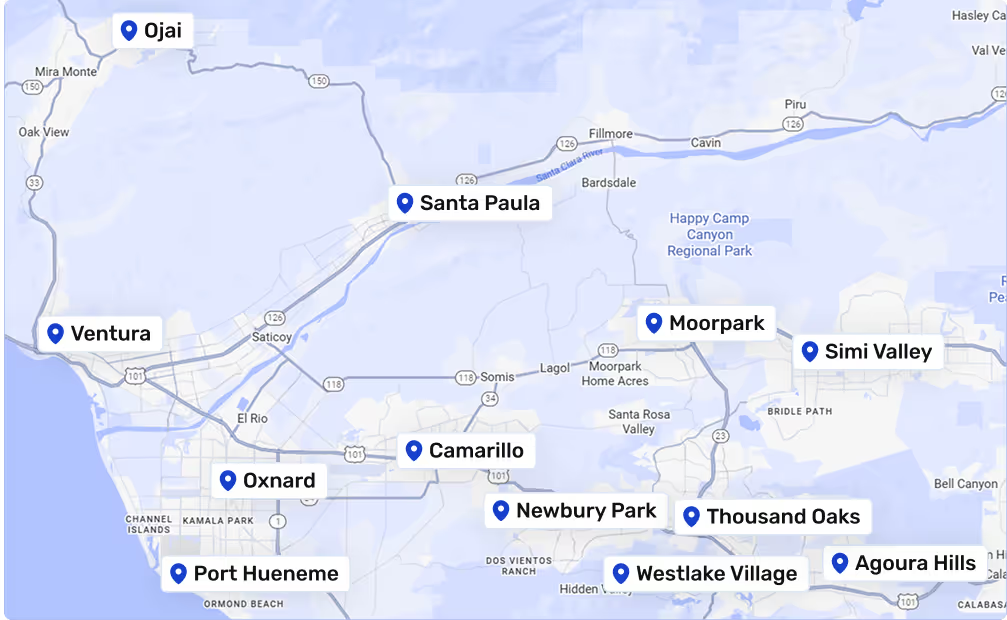


Gas Line Services in Ventura, CA
.avif)

When natural gas powers your home or business, safe, code-compliant gas lines are nonnegotiable. Camarillo Plumbing provides comprehensive Gas Line Services in Ventura, CA focused on installation, repair, leak detection, pressure testing, and permit-ready upgrades. Whether you need a new appliance hookup, urgent leak response, or routine inspection, our approach emphasizes safety, compliance with California and local Ventura County codes, and solutions built to withstand coastal conditions.
Common gas line problems in Ventura homes and businesses
Ventura’s coastal environment and older building stock create a predictable set of issues we see frequently:
- Corrosion and pinhole leaks on exposed piping due to salt air and moisture.
- Damaged or shifting connections after seismic activity or ground movement.
- Aging black iron or unprotected fittings in homes that predate modern codes.
- Improperly installed appliance hookups and flexible connectors that deteriorate.
- Undetected slow leaks in hidden lines or under concrete slabs.
- Pressure irregularities after meter or regulator faults.
Understanding these common failure modes helps prioritize inspections and targeted repairs for Ventura properties.
Types of gas line services we provide
Camarillo Plumbing offers a full suite of gas services tailored to Ventura needs:
- New gas line installation and appliance hookups (stove, dryer, water heater, BBQ, gas firepit).
- Safe repair and replacement of corroded, damaged, or noncompliant piping.
- Professional gas leak detection using electronic sensors, tracer gas, and visual inspection.
- Emergency shutoff response and temporary isolation to make the site safe.
- Pressure testing, regulator checks, and certification to code.
- Code-compliant upgrades, seismic shutoff valve installation, and flexible connector replacement.
- Permit assistance and inspection coordination with Ventura County building departments and local utilities.
How we diagnose gas line issues
Our diagnostic process follows clear, safety-first steps to identify the problem and determine the correct fix:
- Scene safety and isolation: verify no ignition sources, ventilate affected areas, and if necessary, perform a controlled shutoff of the service line.
- Meter and regulator check: confirm utility-side pressures and rule out external causes.
- Leak detection: use electronic combustible gas detectors, soap testing for visible joints, and tracer gas techniques for concealed lines.
- Pressure testing: perform a pressure decay test to quantify leak size and verify repair integrity once complete.
- Visual and structural assessment: inspect routing, support, fittings, and corrosion to determine scope of repair or replacement.
Each diagnostic step is documented and shared with the property owner and, where required, provided to inspectors for permitting.
Repair and replacement — what to expect
Repairs are chosen based on safety, longevity, and code compliance:
- Localized repair: replacement of a short section of piping or a failed fitting when surrounding pipe remains in good condition.
- Partial repipe: replacing multiple deteriorated sections or converting older materials (black iron) to modern, code-approved options.
- Full repipe or new routing: recommended for slab penetrations, severely corroded systems, or when rerouting to accommodate remodeling.
- Appliance hookups: testing appliance manifold pressures, installing proper flex connectors and drip legs, and verifying zero-leak installations.
All repairs include pressure testing and a written work summary suitable for inspection sign-off.
Permits, inspections, and code compliance in Ventura
Gas work in Ventura typically requires permits and final inspections. Camarillo Plumbing handles:
- Preparing permit applications and scope documentation for Ventura County or City inspectors.
- Coordinating inspection appointments and providing required test results and reports.
- Performing work to meet California Plumbing Code and local amendments, including seismic shutoff valve requirements where applicable.
Cooperation with local utilities and inspectors ensures a smooth approval process and documented safety compliance.
Safety protocols and prevention tips
We follow strict jobsite safety protocols: continuous gas monitoring, bonding and grounding where required, confined space precautions, and documented testing before re-energizing a system. For property owners, recommended prevention measures include:
- Annual visual inspection of exposed piping and connectors.
- Replace flexible connectors and old fittings at first sign of wear.
- Install seismic shutoff valves on older systems in earthquake-prone areas.
- Keep combustion appliance areas clear and well ventilated.
- Schedule routine pressure testing and leak detection after renovations or landscaping that disturbs underground lines.
These preventive steps are especially relevant for Ventura properties exposed to salt air and ground movement.
Typical timelines and on-site expectations
- Emergency leak response: immediate dispatch with on-site isolation and safety measures; temporary repairs or shutoff completed same day, with follow-up permanent repairs scheduled.
- Small repairs and appliance hookups: often completed in a single visit, depending on permit processing.
- Larger repipe or reroute projects: planning, permitting, and execution typically require several days to a few weeks depending on inspection scheduling and scope.
Technicians arrive prepared to diagnose and secure the system quickly, with follow-up work scheduled based on the needed repairs and permitting timelines.
Benefits of timely gas line service and routine inspections
Addressing gas line issues promptly reduces safety risk, prevents property damage, and maintains appliance performance. Routine inspections guard against slow-developing leaks and corrosion common in Ventura’s coastal environment, protecting your home or business and ensuring compliance with evolving codes.
FAQs
Q: How can I tell if I have a gas leak?A: Smell of rotten eggs, hissing sounds near connections, dead vegetation over buried lines, or unexplained high gas usage are common signs. Electronic detectors and professional testing confirm the presence of gas.
Q: Are gas line permits required in Ventura?A: Yes. Most modifications, new installations, and major repairs require permits and inspections to comply with California and local Ventura County codes.
Q: Can you work with the utility company for a shutoff?A: Yes. Coordination with the local utility is often necessary for main service isolation or meter work, and we manage those interactions as part of permit and safety procedures.
Q: How often should I have my gas lines inspected?A: Annual visual inspections are recommended for exposed piping and connectors; a more comprehensive leak detection and pressure test is advisable after any ground disturbance, renovation, or if you suspect a problem.
Q: What materials are best for Ventura’s coastal climate?A: Corrosion-resistant materials and protective coatings are recommended for exposed piping. Where allowed by code, modern approved materials and properly supported installations reduce corrosion risk in salt-air environments.
hear what our satisfied clients have to say