
Toilet Repair in Thousand Oaks, CA
.avif)

Toilet problems interrupt daily life and can cause water waste or property damage if left unaddressed. For homeowners in Thousand Oaks, CA, reliable toilet repair means quick diagnosis, targeted repairs, and sensible guidance on whether to repair or replace. Camarillo Plumbing brings decades of regional experience to common toilet issues in Conejo Valley homes, balancing fast emergency response with durable fixes designed for local water conditions and building types.
Common toilet problems in Thousand Oaks homes
- Clogs and slow drains: caused by excess paper, wipes, or sewer line buildup.
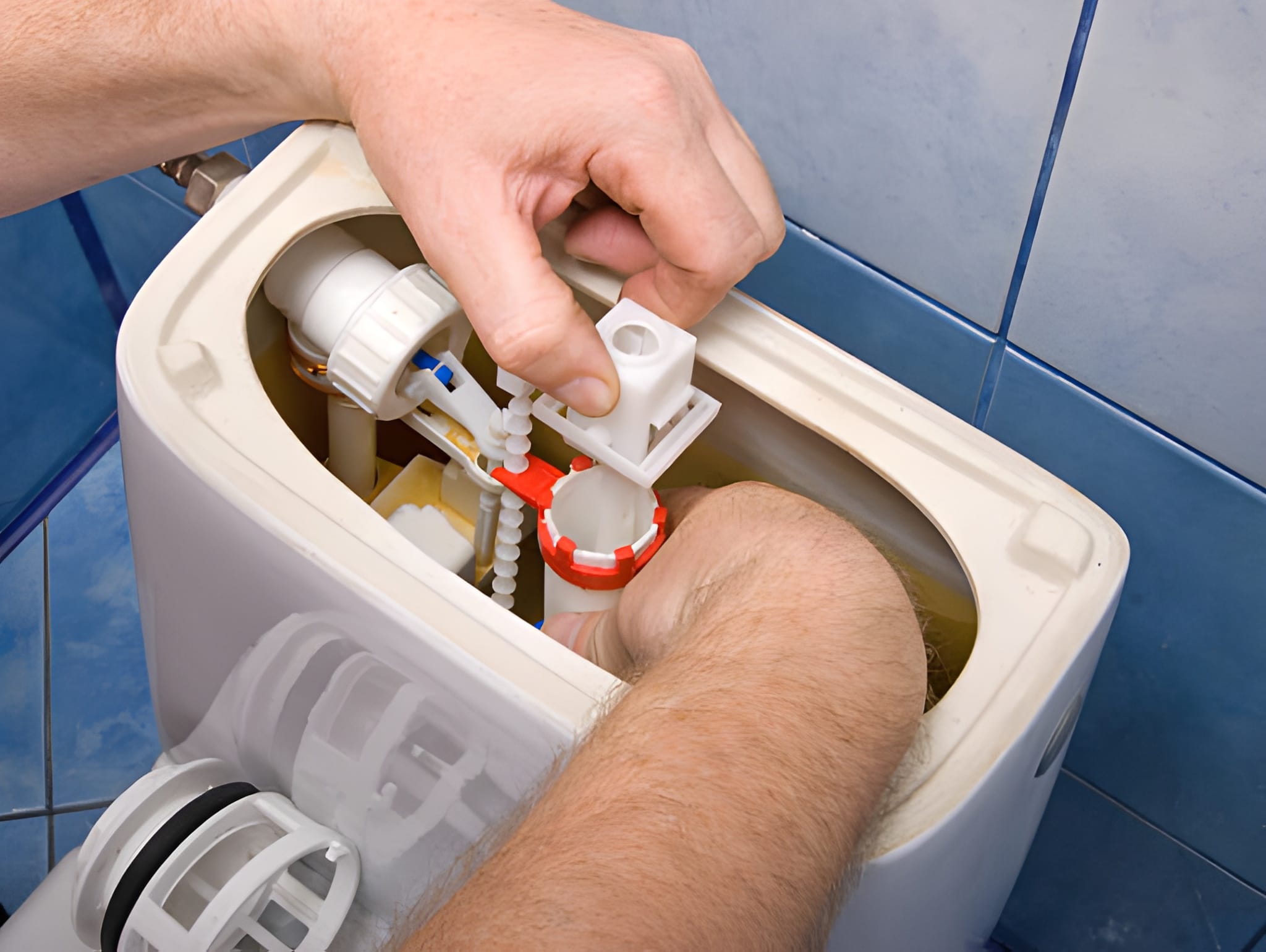
- Running toilets: continuous tank refill due to worn flappers or faulty fill valves.
- Leaks at the base or tank: failed wax rings, loose bolts, or cracked tanks/bowls.
- Weak or incomplete flush: partial siphon action from clogged traps, worn rim holes, or low water level.
- Intermittent or hidden leaks: slow leaks that waste water and can stain floors or ceilings below.
- Loose or damaged flange: toilet rocking, recurring leaks, or seal failure.
- Mineral buildup and hard water effects: reduced component life and restricted water flow.
How technicians diagnose toilet problems
- Visual inspection: technicians check tank components, bowl condition, mounting bolts, and visible supply lines.
- Dye test and leak detection: adding dye to the tank to identify bowl leaks and using moisture detection tools to find floor or subfloor damage.
- Water meter and pressure checks: measuring continuous flow or abnormal household water use that indicates hidden leaks.
- Drain clearing and functional tests: plungers, hand augers, and powered drain tools to verify flow and observe how the toilet flushes under load.
- Camera inspection when needed: a sewer or drain camera can evaluate main line blockages or tree-root intrusion affecting multiple fixtures.
- Component testing: testing flapper seal, fill valve operation, flush valve integrity, and overflow tube position.
Typical repair solutions explained
- Flapper replacement: a common, inexpensive fix for running toilets. New flappers restore a proper seal and stop continuous water loss.
- Fill valve replacement or adjustment: restores correct tank fill level and reliable refill operation.
- Seal and wax ring replacement: addresses leaks at the base. Technicians will set the proper flange height and secure bolts to prevent rocking and future leaks.
- Tank to bowl repairs and tank bolt replacement: replacing corroded bolts and gaskets to stop leaks between tank and bowl.
- Flange repair or replacement: installing repair rings or replacing a broken flange to eliminate rocking and sealing failures.
- Clog removal: mechanical augers, motorized drain machines, or hydro jetting for stubborn blockages. When blockages are in the main line, camera inspection helps target the solution.
- Bowl or tank replacement: for cracked porcelain or irreparably damaged components where repair is unsafe or temporary.
Emergency response and expected arrival times
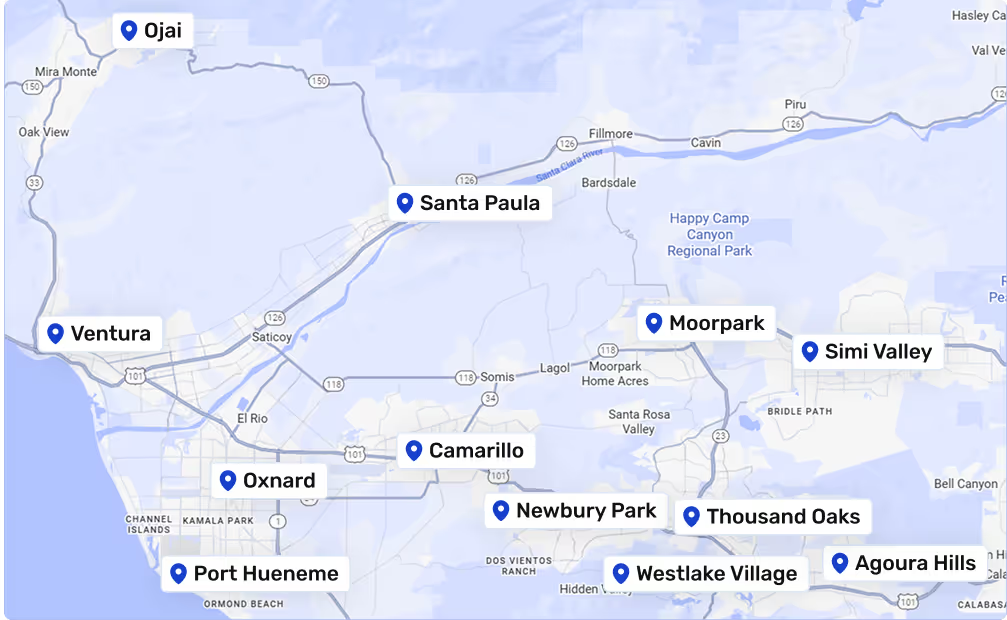
Camarillo Plumbing provides 24/7 emergency service coverage for Thousand Oaks and surrounding areas. For local calls, technicians typically arrive in approximately 45 minutes depending on traffic and call volume. Emergency response includes temporary shutoff and containment measures to stop active leaks, followed by diagnostic work and a plan for permanent repair or safe temporary fixes when immediate replacement is not possible.
Repair versus full replacement: practical guidance
- Repair when: the toilet is relatively new, problems are isolated to replaceable parts (flapper, fill valve, wax ring), or when porcelain and mounting are sound.
- Consider replacement when: the toilet is older and frequently repaired, the tank or bowl is cracked, parts are obsolete or unavailable, or you want an upgrade to a high-efficiency model to reduce water use.
- Long-term view: repeated part replacements, ongoing leaks, or persistent poor performance often justify replacement for reliability and water efficiency benefits. Technicians assess age, condition, and parts availability to recommend the most cost-effective option without sacrificing performance or code compliance.
Typical timelines for repairs
- Minor repairs (flapper, fill valve, flush adjustments): often completed in under an hour.
- Base seal and flange repairs: typically 1 to 2 hours depending on access and subfloor condition.
- Clog clearing and diagnostic camera work: varies from under an hour for simple clogs to several hours for mainline issues that require hydro jetting or excavation.
- Full toilet replacement: commonly 1 to 3 hours depending on bowl/tank configuration and flange condition.
Preventative maintenance tips to avoid future toilet problems
- Avoid flushing wipes, sanitary items, or thick paper products that cause clogs.
- Inspect tank components every 6 to 12 months: replace flappers or fill valves showing wear.
- Keep rim holes and jets clear of mineral buildup by cleaning periodically with a brush and mild descaler safe for plumbing.
- Tighten mounting bolts and check for wobble to avoid flange damage.
- Don’t use chemical drain cleaners regularly; they can harm seals and finish and may not clear solid obstructions.
- Schedule periodic drain inspections when you notice slow drains elsewhere in the house to catch mainline issues early.
Why choose Camarillo Plumbing for toilet repair in Thousand Oaks, CA
Camarillo Plumbing brings more than 60 years of experience serving Ventura County and adjacent Los Angeles communities. The team is licensed and trained to diagnose both simple and complex toilet issues, offering full-service options from quick parts replacement to sewer camera inspections and hydro jetting. Local technicians understand the impact of regional water mineral content and home construction in Thousand Oaks and tailor solutions that last. Licensed service, timely emergency response, and practical repair-versus-replace guidance help protect your home and conserve water while restoring reliable bathroom function.
FAQ
Q: How can I tell if my toilet leak is wasting a lot of water?A: Place a few drops of food coloring or dye in the tank and wait 10 to 15 minutes without flushing. If color appears in the bowl, the flapper or flush valve is leaking and should be replaced.
Q: Are flushable wipes really safe to flush?A: Most so-called flushable wipes do not break down like toilet paper and are a common cause of clogs and sewer backups. Avoid flushing wipes to reduce risk of blockages.
Q: How long will a typical toilet repair take?A: Simple repairs such as flapper or fill valve replacement can often be completed in under an hour. More extensive work like flange repair or mainline clearing may take multiple hours.
Q: When should a toilet be replaced instead of repaired?A: Consider replacement if the toilet is frequently failing, has a cracked tank or bowl, uses excessive water, or if replacement parts are no longer available. Replacement also allows upgrading to more efficient models.
hear what our satisfied clients have to say