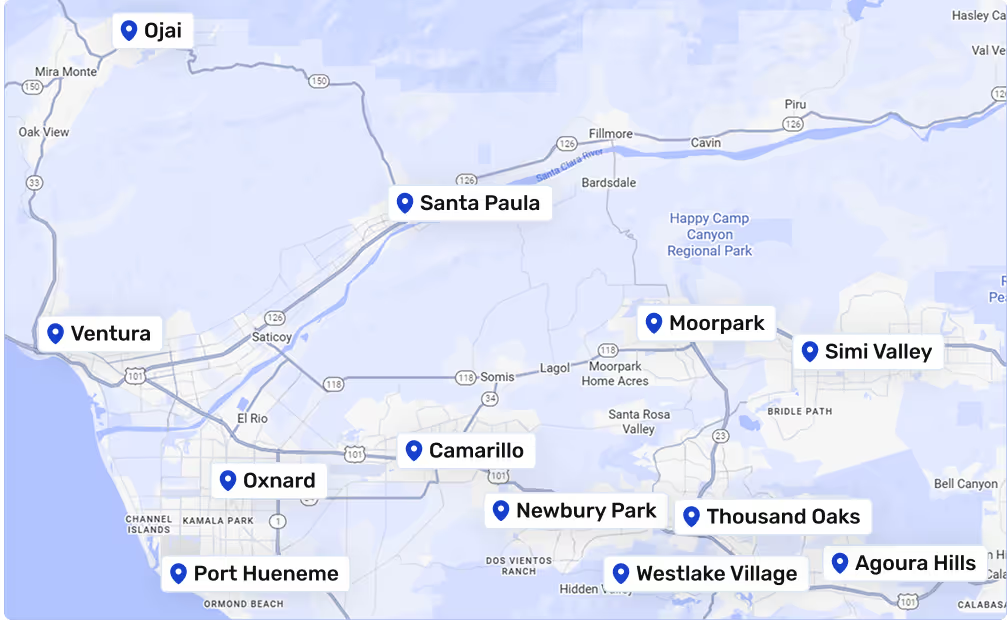


Leak Detection in Thousand Oaks, CA
.avif)

Finding a hidden leak early prevents escalating damage, limits mold growth, and protects your property value. Camarillo Plumbing offers professional leak detection in Thousand Oaks, CA that combines proven diagnostic tools with local experience. Whether you suspect a slab leak, underground line failure, or a slow fixture leak, accurate locating and a clear inspection-to-repair plan are critical for fast, cost-effective results in Thousand Oaks homes.
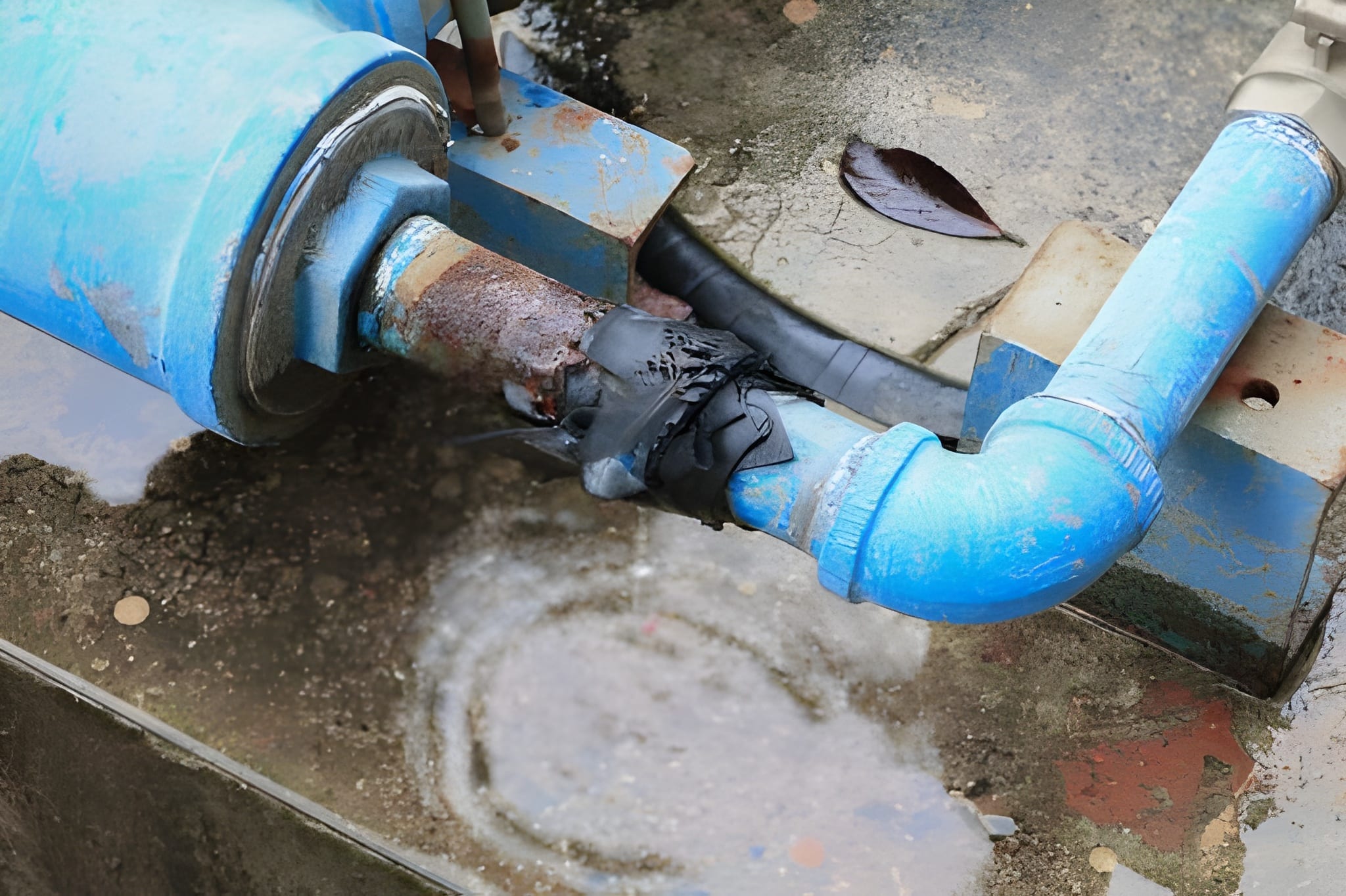
Common warning signs of hidden leaks in Thousand Oaks homes
- Unexpectedly high water bills - A steady spike without a change in usage is one of the most reliable early indicators.
- Damp spots or water stains - Discolored drywall, baseboards, or flooring often mean water migration under surfaces.
- Persistent musty odors or visible mold - Moisture trapped under flooring or behind walls accelerates mold growth.
- Sound of running water when fixtures are off - Hidden leaks can create audible flow or dripping sounds.
- Soggy or greener patches in the yard - Lawn areas that stay wet even during dry periods can indicate underground line leaks or irrigation failures.
- Low water pressure or air in lines - These symptoms sometimes accompany leaks or failing supply lines.
- Meter keeps running - A simple meter check is an easy at-home test for invisible leaks.
Thousand Oaks neighborhoods face specific risk factors including older slab foundations, abundant mature trees with aggressive roots, and irrigation systems that run year-round. Those factors make precise, minimally invasive leak detection especially valuable.
Diagnostic methods we use
Camarillo Plumbing uses a range of industry-standard tools to pinpoint leaks accurately while minimizing disruption.
- Acoustic sensors and ground microphones - These listen for the sound of water escaping pressurized pipes and are very effective for locating slab and underground leaks.
- Infrared and thermal imaging - Thermal cameras reveal temperature anomalies caused by water under floors or behind walls, enabling quick visualization without cutting.
- Moisture meters and hygrometers - Measure moisture content in building materials to map affected areas and verify drying progress after mitigation.
- Pressure testing - Isolates sections of a plumbing system to confirm whether a leak exists and narrows down the location.
- Sewer camera inspection - A camera line inspection identifies blockages, root intrusion, cracks, and separate sewer line leaks that affect yards and structures.
Each method is selected based on symptoms, construction type, and material of the plumbing system to deliver the most accurate results with the least invasive approach.
Non-invasive locating for slab and underground leaks
Slab foundation homes are common in Thousand Oaks. Instead of tearing up concrete, technicians use non-invasive locating methods to pinpoint leaks beneath slabs or in buried lines:
- Ground microphones and acoustic correlators to triangulate leak noise
- Electromagnetic locators to trace metallic lines
- Tracer dye or safe tracer gas for non-metallic pipe systems
- Thermal imaging to visualize moisture paths on slab surfaces
These techniques reduce repair scope and cost by identifying the exact repair point and limiting the excavation or cutting required.
Inspection-to-repair workflow and estimate process
Camarillo Plumbing follows a clear, transparent workflow designed for decision-stage customers who need straightforward answers and options.
- Initial assessment - Thorough symptom review and basic checks to prioritize tests.
- On-site diagnostic testing - Use of targeted tools such as acoustic sensors, thermal imaging, and pressure testing.
- Documentation - Photographs, thermal images, moisture readings, and camera footage when applicable.
- Clear findings and repair options - Written estimate that explains the problem, recommended repair methods, and alternatives (for example, local excavation versus targeted slab repair).
- Coordination for repairs - If repair or repiping is needed, we coordinate timing, materials, and any necessary permits and explain impacts to landscaping or concrete.
Estimates are presented with a breakdown of components and labor so you understand the scope before any repair work begins.
Emergency response and mitigation
Leaks can escalate quickly into property damage. Camarillo Plumbing provides 24/7 emergency leak response and rapid arrival for urgent situations. Emergency mitigation focuses on stabilizing the situation to prevent further damage:
- Isolating and shutting off affected lines
- Temporary repairs to stop active water flow
- Water extraction and drying recommendations to limit mold growth
- Emergency sewer containment for backups
In many urgent cases immediate mitigation reduces the downstream costs of repairs and restoration.
Coordination with repair and repiping services
When detection identifies a larger failure, leak location information informs the repair strategy. Camarillo Plumbing coordinates seamless handoffs between detection and repair crews, including:
- Targeted repairs to minimize excavation
- Full repiping for homes with failing materials
- Trenchless sewer replacement and other less disruptive options
- Permit handling and job scheduling for efficient completion
Documentation from the detection phase, including camera footage, helps prioritize trenchless versus open excavation decisions and supports communication with insurance or restoration contractors.
Pricing transparency and what to expect
Pricing for leak detection typically reflects the complexity of diagnostics and the tools required. Camarillo Plumbing emphasizes transparent estimates that outline diagnostic fees, recommended repair options, and any follow-up testing needed to confirm repairs. You will receive clear descriptions of what is included in each estimate so there are no surprises during the repair process.
Preventive tips for Thousand Oaks homeowners
- Check your water meter before and after a two-hour period with all water off to detect hidden usage.
- Inspect visible supply lines, hose bibs, and irrigation heads regularly, especially after seasonal root growth.
- Schedule periodic plumbing inspections for older homes, especially homes with slab foundations or galvanized piping.
- Trim tree roots away from sewer lines and be mindful of large oaks near drain lines.
- Maintain proper drainage near foundations to reduce hydrostatic pressure on slabs.
- Replace aging pipes proactively if multiple leaks or reduced system performance are evident.
Q: How do I know if a leak is under the slab or in a visible pipe?A: Acoustic testing, pressure testing, and thermal imaging narrow the location; slab leaks often present as localized warm spots, specific moisture readings, and persistent run sounds when all fixtures are off.
Q: Can leak detection be done without breaking concrete or digging up the yard?A: Yes. Many slab and underground leaks are located using acoustic sensors, thermal imaging, tracer methods, and electromagnetic locators to minimize disruption.
Q: Will you provide documentation I can give to insurance?A: Yes. Diagnostic reports commonly include photos, thermal images, moisture readings, and camera footage to support insurance claims and repair decisions.
Q: What happens after you locate the leak?A: After locating the leak, you will receive a written estimate that outlines repair options, timelines, and any necessary coordination with repiping or trenchless sewer services so you can choose the solution that fits your needs.
hear what our satisfied clients have to say