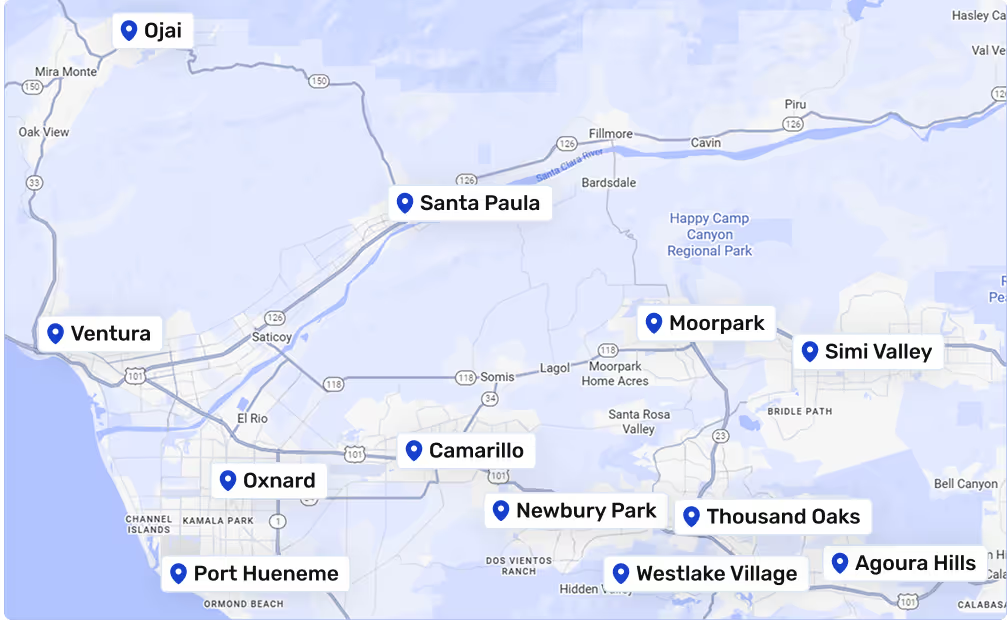


Gas Line Services in Thousand Oaks, CA
.avif)

When your home relies on natural gas for heating, cooking, or hot water, a safe and properly functioning gas line is essential. Camarillo Plumbing provides comprehensive Gas Line Services in Thousand Oaks, CA focused on safety, code compliance, and long term reliability. Whether you need a new appliance hookup, a leak repair, or a full line replacement, the work is performed to industry standards and local permitting requirements to protect your family and property.
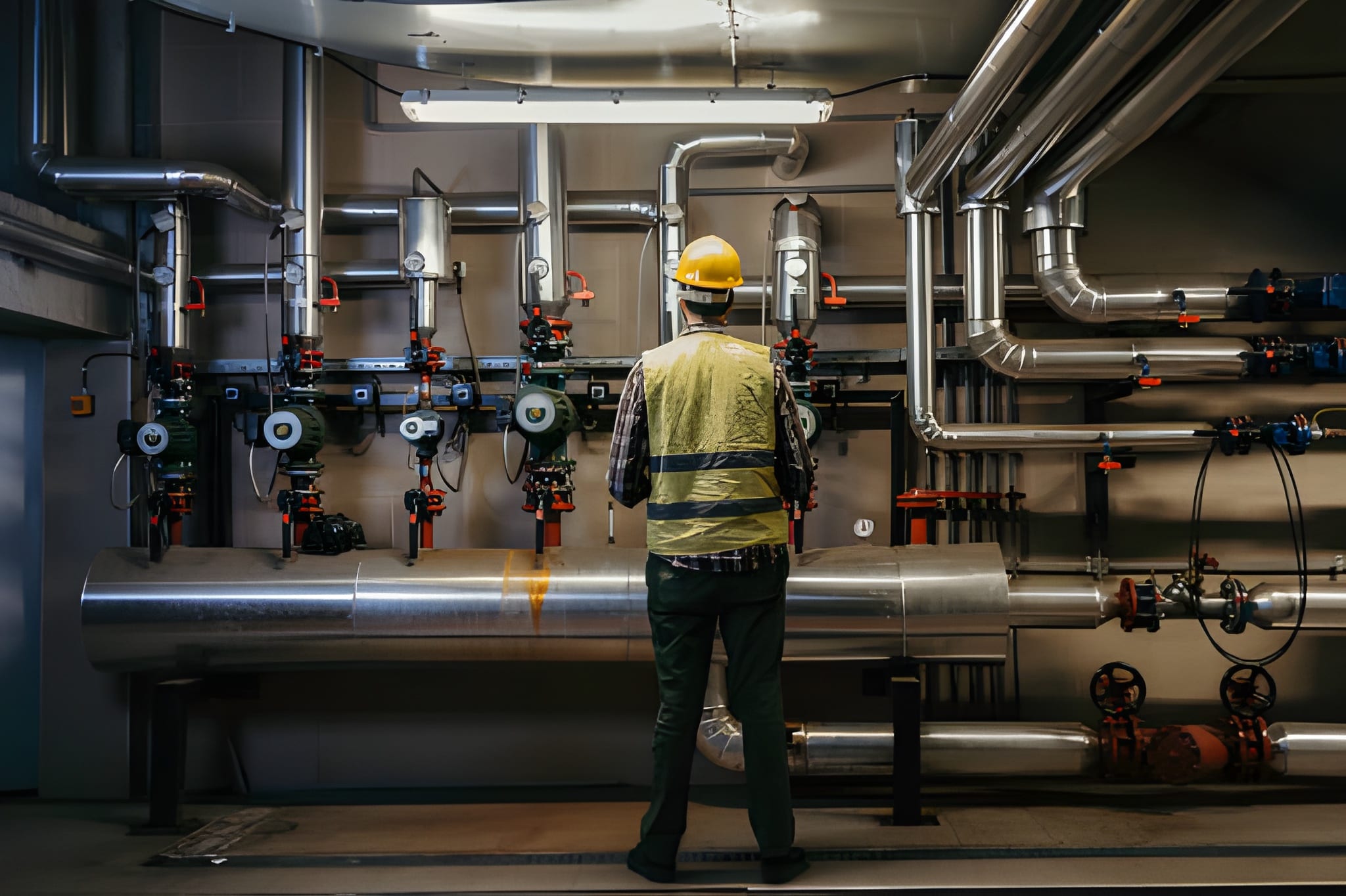
Why professional gas line work matters in Thousand Oaks
Thousand Oaks homes face specific factors that affect gas systems. The region has a Mediterranean climate with seasonal temperature swings and periodic wildfire smoke and salt air influence from the coast. These conditions can accelerate fittings corrosion and stress on older piping. There is also seismic activity in Southern California that can damage buried lines or connections. Professional installation, regular inspections, and timely repairs reduce the risk of leaks, interruptions, and unsafe conditions common to area homes.
Common gas line services and issues in Thousand Oaks
- Installation of new gas lines and appliance hookups for ranges, ovens, dryers, fireplaces, and outdoor grills
- Gas line repair and replacement for corroded pipe, damaged fittings, or lines affected by landscaping or seismic movement
- Leak detection and emergency response using electronic gas detectors, tracer gas, and visual inspection of fittings and appliances
- Pressure testing and safety inspections to verify system integrity after installation or repair
- Permitting and code compliance guidance to ensure work meets City of Thousand Oaks and Ventura County building codes
- Trenchless or minimally invasive repair options such as directional boring or sectional replacement to protect landscaping and hardscapes
- Scheduled maintenance inspections to identify aging components before they fail
How diagnostics and emergency response work
When a possible leak or failure is suspected, technicians follow a strict diagnostic protocol:
- Initial assessment to determine symptom source - smell of gas, hissing sound, or appliance issues.
- Shut down and secure the system at the meter if needed and ventilate the area.
- Use handheld combustible gas detectors and tracer gas methods for pinpointing leaks on buried lines.
- Perform a visual inspection of exposed piping, fittings, valves, and appliance connections.
- Pressure test the affected section using industry standard test pressures and time duration to confirm integrity.
Emergency response procedures prioritize occupant safety. Technicians will isolate the leak, make temporary safe repairs if required, and complete permanent repairs once the system is secured and permitted work is arranged.
Repair and replacement options explained
- Spot repair: Tightening or replacing fittings, adding protective sleeving, or replacing short damaged sections for isolated issues. Best for small leaks or localized damage.
- Sectional replacement: Removing and replacing a run of pipe when multiple fittings or sections show wear. Practical for older galvanized or corroded runs.
- Full repipe: Replacing the entire gas distribution system in a home when piping is aged or does not meet modern code. Usually recommended for safety and long term reliability.
- Trenchless and minimally invasive methods: Horizontal directional drilling and small access pits allow new lines to be installed or existing lines pulled through without large excavation. These methods reduce landscaping disruption in Thousand Oaks yards and accelerate timelines.
Pressure testing, inspections, and permits
All work follows accepted testing protocols:
- Low or medium pressure tests with inert gas or air held for set durations while monitored for pressure loss.
- Soap solution or electronic sniffing for small leaks at fittings and appliance connections.
- Final inspection and documentation for code compliance.
Permitting guidance is provided to ensure proper permits are pulled with the City of Thousand Oaks or Ventura County when required. Technicians prepare documentation and test results to support inspections and approvals.
Timelines and pricing estimates
Typical timelines vary by scope:
- Simple appliance hookup: a few hours, often same day depending on access.
- Minor repairs or spot fixes: same day to one day.
- Sectional replacement or new line installation: one to three days depending on trenching and permitting.
- Full repipe or complex projects: multiple days to a week including inspection scheduling.
Pricing depends on material, line length, accessibility, and permitting. Ballpark ranges for residential work in the region:
- Appliance hookups: low range.
- Small repairs: modest, single part and labor costs.
- New line installations and replacements: mid to higher range based on linear feet and excavation method.
Estimates are provided after an on-site evaluation to account for local conditions such as rock, concrete, landscaping, and proximity to utilities.
Warranty and safety protocols
Work performed is backed by workmanship warranties and adheres to manufacturer guidelines and local code requirements. Safety protocols include:
- Pre job hazard assessments and permitting checks.
- Use of certified gas fitting materials and pressure rated components.
- Post repair pressure testing and certification before placing lines back in service.
- Documentation for inspections and warranty records.
Maintenance and prevention tips for Thousand Oaks homeowners
- Schedule regular safety inspections, especially for older systems or after seismic events.
- Watch for signs of leaks: rotten egg odor, hissing sounds, dead vegetation near buried lines, or unexplained appliance malfunctions.
- Keep landscaping and root systems away from buried lines to reduce disturbance.
- Ensure appliances are serviced per manufacturer recommendations.
- Update older flexible connectors and shutoff valves as part of preventative maintenance.
How scheduling and service coordination work
Service requests are coordinated with attention to permitting timelines and inspection windows. For non emergency work, an on-site evaluation determines scope, materials, and any permits needed. Emergency procedures prioritize immediate mitigation and temporary securing of the system, followed by permanent repairs and documentation for inspection and warranty.
Frequently Asked Questions
Q: How can I tell if my gas line has a leak?
A: Smell of rotten eggs, hissing sounds, dead or discolored vegetation above buried lines, or unexplained appliance issues. Confirmed detections require trained technicians with gas detection equipment.
Q: Do gas line repairs require permits in Thousand Oaks?
A: Yes. Most new installations, line replacements, and significant repairs require permits and an inspection by the local building department. Permitting guidance is provided to ensure compliance.
Q: What is involved in a pressure test?
A: A section of the system is isolated, pressurized to a specified test pressure with inert gas or air, and monitored for pressure decay for a set duration. No pressure loss indicates a sound system.
Q: Can you replace a gas line without digging up my yard?
A: In many cases, trenchless methods such as directional boring or small access pits can minimize landscaping disruption. Feasibility depends on site conditions and existing utility locations.
Q: How soon can emergency gas leaks be addressed?
A: Emergency procedures prioritize safety and immediate isolation. After securing the system, technicians can perform temporary repairs and schedule permanent fixes based on severity and permitting.
Camarillo Plumbing provides experienced gas line services tailored to Thousand Oaks homes and local conditions, focusing on safety, code compliance, and long term reliability.
hear what our satisfied clients have to say