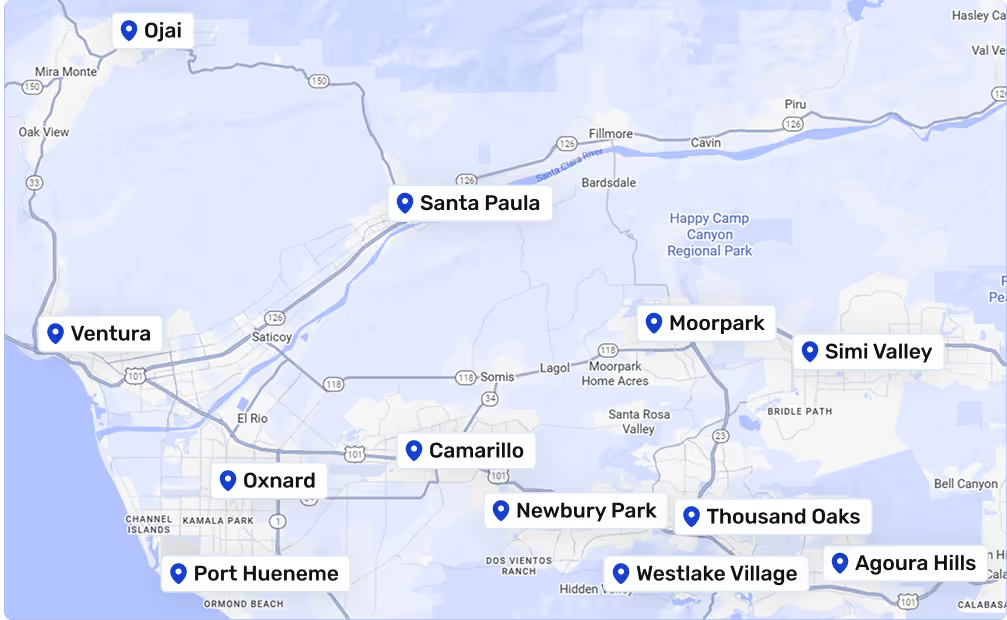


Leak Detection in Westlake Village, CA
.avif)

Finding a hidden leak early can prevent extensive water damage, structural problems, and costly repairs. In Westlake Village, CA, where many homes sit on slab foundations, landscaped lots use irrigation and pools, and seasonal rains follow long dry spells, precise leak detection is especially important. Camarillo Plumbing brings decades of experience and non‑invasive technologies to locate and verify leaks in both residential and commercial properties so repairs are accurate and disruption is minimized.
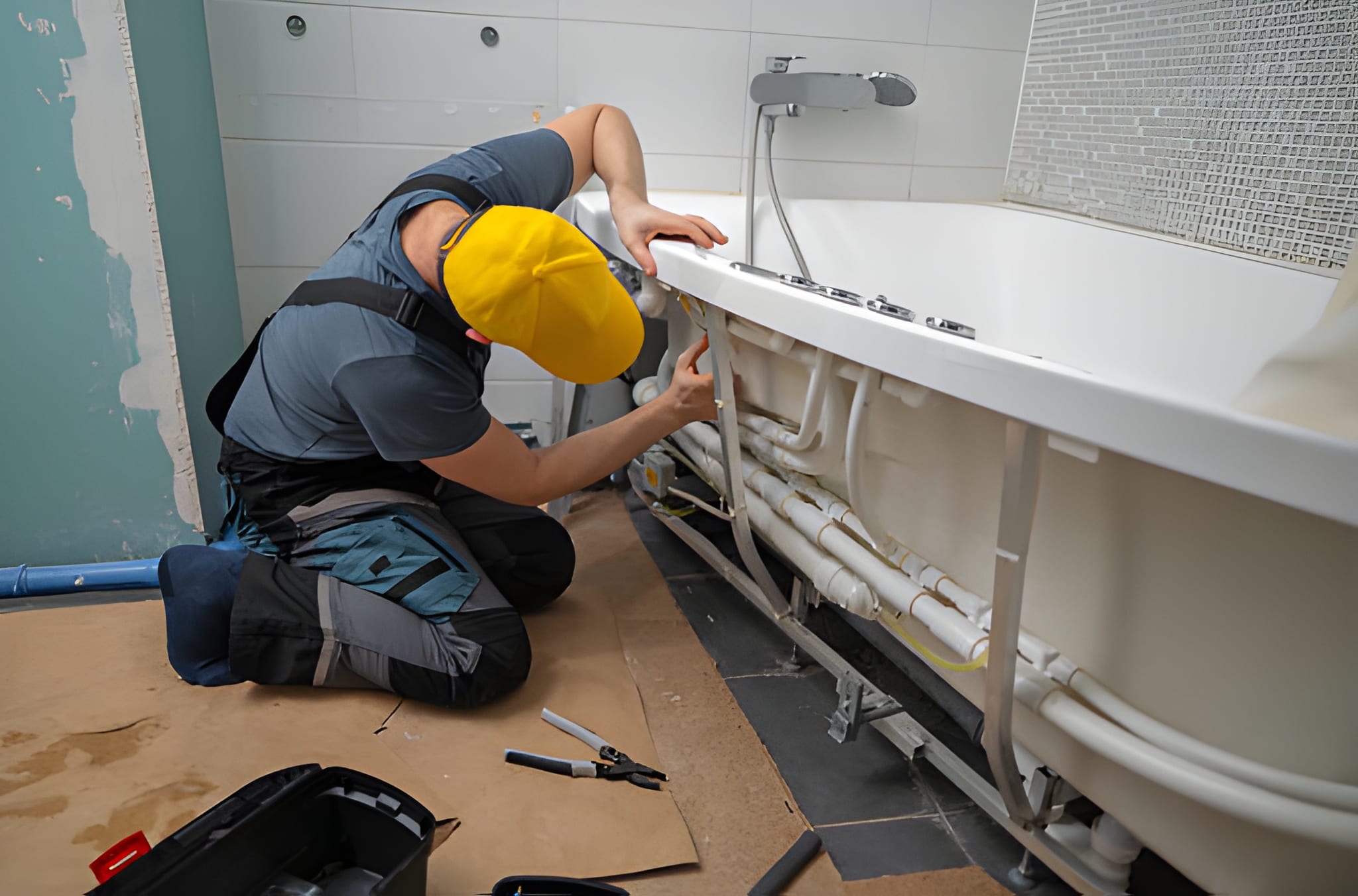
Common leak types we locate in Westlake Village homes and businesses
- Slab leaks — Pipes running under concrete foundations can develop pinhole leaks from corrosion, ground movement, or material failure.
- Hidden pipe leaks — Pipes inside walls, ceilings, or buried under landscaping that leak without obvious visual signs.
- Slab‑to‑fixture connections — Plumbing where pipes transition through the slab to sinks, tubs, or toilets can loosen or fail.
- Sewer line leaks and blockages — Cracked or collapsed sewer lines produce backups, odors, and soft or wet areas in the yard.
- Irrigation and pool leaks — Sprinkler lateral lines, valves, and pool plumbing often leak underground and waste large volumes of water.
Symptoms and warning signs to watch for
- Unexplained increase in the water bill or continuous meter movement with all fixtures off
- Damp, warm, or discolored spots on floors, walls, or ceilings
- Localized mold or mildew growth, musty odors, or rotting baseboards
- Soft or sinking areas in the yard, lawn die‑off, or wet spots near the foundation
- Hissing or running water sounds when no fixtures are in use
- Low water pressure or frequent loss of hot water in a zone
- Toilet gurgling, slow drains, or sewer odors indicating a sewer leak or clog
Our non‑invasive diagnostic process
Camarillo Plumbing follows a systematic, minimally invasive approach designed to find leaks quickly while protecting finishes and landscaping.
- Initial assessment and meter test
Technicians gather a history of the problem, check the water meter, and perform basic tests to confirm active leakage. - Visual inspection
We inspect visible plumbing, fixtures, irrigation heads, and the exterior for obvious signs before deploying equipment. - Acoustic leak detection and electronic correlators
Acoustic sensors and correlators listen for the distinctive sound of water escaping pressurized pipes. These tools pinpoint the general location without digging. - Thermal imaging and moisture mapping
Infrared cameras reveal temperature differentials caused by wet areas. Moisture meters quantify dampness in materials to prioritize investigation. - Video pipe inspection (camera)
A push camera or drain camera is fed into sewer and drain lines to identify cracks, roots, blockages, and exact leak locations inside pipes. - Verification and locating
Using combined data from sensors, imaging, and cameras, technicians mark precise surface points and map the leak for repair and insurance documentation.
Each step is chosen based on the situation to reduce unnecessary destruction. Documentation includes photos, video clips, moisture readings, and written findings to support repair planning or insurance claims.
Repair options and expected timelines
- Spot repairs — For accessible leaks or a single leaking joint. Often completed same day.
- Targeted slab access — Small core or trench to reach and repair a pipe under concrete. Timeline: typically 1 day for the repair plus restoration time for concrete and finishes.
- Pipe rerouting or localized repiping — When a short section of piping is corroded or inaccessible, rerouting around the problem may be best. Timeline: 1–3 days depending on complexity.
- Full repipe — Recommended when multiple failures or widespread corrosion exist; may require several days to complete.
- Sewer repair/trenchless replacement — Trenchless methods can replace sewer sections with minimal excavation; timelines vary but often shorter and less disruptive than full excavation.
- Irrigation/pool plumbing repairs — Underground lateral or mainline leaks can often be isolated and repaired rapidly, with pool systems sometimes requiring specialized leak testing.
Timelines depend on access, permit requirements, extent of damage, and restoration needs (landscaping, concrete, flooring). Camarillo Plumbing documents findings so repair scopes and timelines are transparent.
Emergency response and insurance/claim support
Emergency leaks that threaten flooding or structural damage are handled with priority measures: shutoff procedures, temporary repairs, and water mitigation guidance. For homeowners and property managers filing insurance claims, Camarillo Plumbing provides detailed diagnostic reports, camera video, photos, moisture maps, and written repair estimates to substantiate loss and speed claims with adjusters. Technicians will explain findings in plain language to help with documentation requirements.
Typical pricing considerations
Several factors affect the cost of leak detection and repair:
- Depth and accessibility of the pipe (under slab, behind walls, in landscaping)
- Type and material of existing plumbing (copper, galvanized, PEX, PVC)
- Whether detection and diagnostics require specialized equipment (camera runs, correlator usage)
- Extent of structural or landscaping restoration after repair
- Whether sewer line repair or trenchless replacement is needed
- Time of emergency service and after‑hours response
Diagnostic fees may be billed separately and in some cases credited toward repair work. Clear documentation helps homeowners evaluate repair options and potential insurance coverage.
Preventative maintenance to reduce future leaks in Westlake Village
- Monitor your water meter regularly and note unexplained increases
- Inspect irrigation systems seasonally for broken emitters, worn tubing, and valve leaks
- Schedule annual sewer camera inspections for older properties or those with mature trees
- Maintain moderate water pressure with a pressure regulator to reduce stress on pipes
- Consider water softening if mineral content contributes to corrosion in older metal pipes
- Install automatic leak detection shutoff devices for long absences or second homes
- Address small drips and fixture leaks promptly before they become hidden slab or wall leaks
Westlake Village’s combination of landscaped yards, pools, and slab foundations makes proactive inspection and timely diagnostics important. With non‑invasive tools and clear documentation, Camarillo Plumbing locates and verifies leaks efficiently so repair decisions are informed and targeted.
FAQQ: How long does a typical leak detection visit take?A: A standard diagnostic visit usually takes 1–3 hours depending on the complexity. If advanced camera inspection or correlator testing is required, it may extend to a half or full day.
Q: Will locating a slab leak require large concrete demolition?A: No. The goal is to use acoustic sensors, correlators, and thermal imaging to pinpoint the location precisely. Often only a small core or localized cut is needed rather than wide excavation.
Q: Can you detect leaks under a pool or spa?A: Yes. Specialized pressure testing, acoustic listening, and dye tests combined with plumbing camera work can identify leaks in pool plumbing and shell penetrations.
Q: Do you provide the documentation insurers need for claims?A: Yes. Diagnostic reports, photos, camera video, moisture readings, and written repair estimates are provided to support insurance claims and adjuster reviews.
hear what our satisfied clients have to say