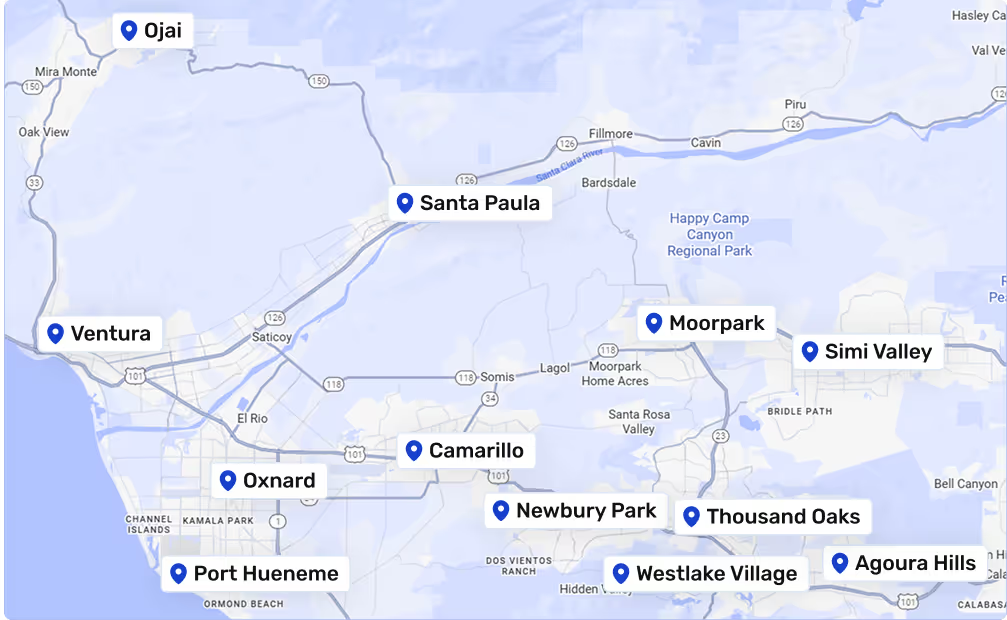


Gas Line Services in Westlake Village, CA
.avif)

When it comes to gas line work in Westlake Village, CA, safety and code compliance are the top priorities. Natural gas powers stoves, water heaters, dryers, pool heaters, and outdoor appliances, but even minor leaks or improper installs can create serious hazards. Camarillo Plumbing provides comprehensive gas line services tailored to local homes and businesses, offering certified leak detection, repairs, new installations and routing, appliance hookups, pressure testing, permitting and 24/7 emergency gas leak response so property owners know what to expect and can stay safe and compliant.
Common gas line services in Westlake Village, CA
- New gas line installation and routing for interior and exterior appliances
- Repair and replacement of corroded, damaged, or punctured pipes
- Certified gas leak detection using electronic gas sniffers and trace tests
- Pressure testing and documentation for inspections and permitting
- Appliance hookups for stoves, tank and tankless water heaters, dryers, outdoor grills, and pool heaters
- Safety inspections and code‑compliant permitting coordination with local building departments
- 24/7 emergency gas leak response and temporary shutoff procedures
- Transparent written estimates, clear scope of work, and workmanship and parts warranties
- Licensed technician qualification verification and on‑site explanations of recommended repairs
Common gas line issues in Westlake Village homes
Westlake Village’s Mediterranean climate, hillside lots, and older neighborhoods create a few local patterns of wear and risk:
- Age-related corrosion in older black iron or steel lines, especially at joints and fittings
- Soil movement on sloped lots or after heavy rains that can stress underground lines
- Accidental damage from landscaping, hardscape installs, or pool work during home renovations
- Appliance connection failures and loose fittings after service or DIY attempts
- Utility notifications and regional safety shutoffs during high fire risk periods that require safe reconnection and verification
Recognizing issues early reduces risk. People commonly notice a rotten-egg odor, hissing sounds near a meter or appliance, pilot lights that won’t stay lit, or unexplained spikes in utility use.
How diagnostic testing works (what you should expect)
- Visual inspection: technicians check visible piping, meter, regulators, and appliance connections for signs of wear or improper materials.
- Electronic leak detection: certified technicians use calibrated gas detectors to pinpoint even low-level leaks around fittings, valves, and appliance connections.
- Soap or tracer tests: where appropriate, technicians use safe tracer sprays or gas-safe soap tests to confirm leaks in confined spots.
- Pressure testing: lines are isolated, pressurized to code standards, and monitored to verify integrity. Tests are documented for permitting or insurance needs.
- Appliance verification: after repairs or new hookups, appliances are tested for proper combustion and venting where applicable.
All diagnostics are performed by licensed technicians who document findings and explain the results and options in straightforward terms.
Repair, replacement, and installation processes
- Repair scope: small leaks may be corrected with replacement fittings or sections of pipe. Corroded or compromised runs are typically replaced to meet modern standards.
- Materials: typical materials include black iron, steel, or corrugated stainless steel tubing (CSST) depending on code, accessibility, and application. Technicians will explain material pros and cons for your situation.
- Routing and installation: new installations prioritize safe routing away from potential damage, accessible shutoffs, and compliance with venting and setback requirements. For underground lines, conduit and tracer wire are used to mark routes for future locating.
- Purging and final testing: after new connections, lines are purged of air in a controlled manner, pressure tested, and inspected prior to being placed into service.
- Inspections and permits: Camarillo Plumbing coordinates with local Westlake Village and Ventura County inspection authorities to secure required permits and pass final inspections.
Where excavation is necessary, technicians evaluate options that minimize landscaping disruption while restoring surfaces properly after work.
Safety, licensing, and code compliance
Gas work requires licensed professionals. Camarillo Plumbing’s gas technicians hold required state licenses and complete ongoing training in local code updates and safety standards such as NFPA 54 and applicable California mechanical and plumbing codes. All work follows local permitting procedures and is backed by documentation suitable for resale disclosures or insurance claims. Technicians arrive in uniformed trucks stocked with licensed-grade materials and calibrated testing equipment, and they explain what was done and why before leaving the property.
Emergency gas leak response
Gas leaks are time sensitive. Emergency response includes immediate on‑site evaluation, temporary safe shutoff if needed, rapid isolation of the leak, and a documented plan to repair and test the line before re-pressurizing. Technicians also provide safety guidance while on site, such as recommended evacuation radius for active leaks and coordination with the utility when service needs to be interrupted or restored.
Pricing estimates and warranties
Cost depends on factors like line length, accessibility, materials, required permits, and whether excavation or rerouting is needed. Camarillo Plumbing provides clear, written estimates that break down labor, materials, permit fees, and testing. Work is completed under warranties that cover workmanship and specified parts, and documentation is provided for the warranty period so homeowners and property managers understand coverage.
What to expect when scheduling service
- Arrival and timing: Camarillo Plumbing typically aims for prompt arrival, with crews equipped to diagnose most issues on first visit.
- Written explanation: after inspection, you receive an easy-to-understand description of issues, options, and a written estimate.
- Licensed work and documentation: permits are pulled when required, pressure test records are kept, and inspections are coordinated with local authorities.
- Follow-up: warranty documentation and maintenance recommendations are provided so homeowners know how to avoid future issues.
Maintenance tips for Westlake Village properties
- Schedule an annual gas line inspection, especially before peak outdoor season when grills and heaters are used more.
- Before any digging or landscaping, call 811 to locate underground utilities.
- Keep meters and regulators accessible and free from debris or plant overgrowth.
- Have appliances checked by a licensed technician after service, remodels, or if you notice any changes in performance.
Q: How can I tell if I have a gas leak?A: Common signs are a persistent rotten-egg odor, hissing sounds near appliances or meter, dead vegetation over buried lines, or pilot lights that will not stay lit. Any suspicion should be treated seriously and evaluated by a licensed technician.
Q: Are permits required for gas line replacements or new installs in Westlake Village?A: Yes. Most gas line replacements, new installations, and significant repairs require permits and inspections. Licensed technicians coordinate the permitting process and provide required test documentation.
Q: How long does a typical gas line installation or repair take?A: Time varies by scope. Small repairs or appliance hookups can often be completed within a few hours. Larger reroutes or buried line replacements may require a day or more plus inspection time.
Q: What materials are used for gas lines and which is best?A: Common materials include black iron, steel, and CSST. The best option depends on accessibility, code requirements, and the specific application; your technician will recommend the appropriate material.
Q: Is emergency gas service available after hours?A: Emergency response for suspected gas leaks is handled 24/7, with technicians trained to isolate hazards, secure the area, and arrange timely repairs and testing.
hear what our satisfied clients have to say