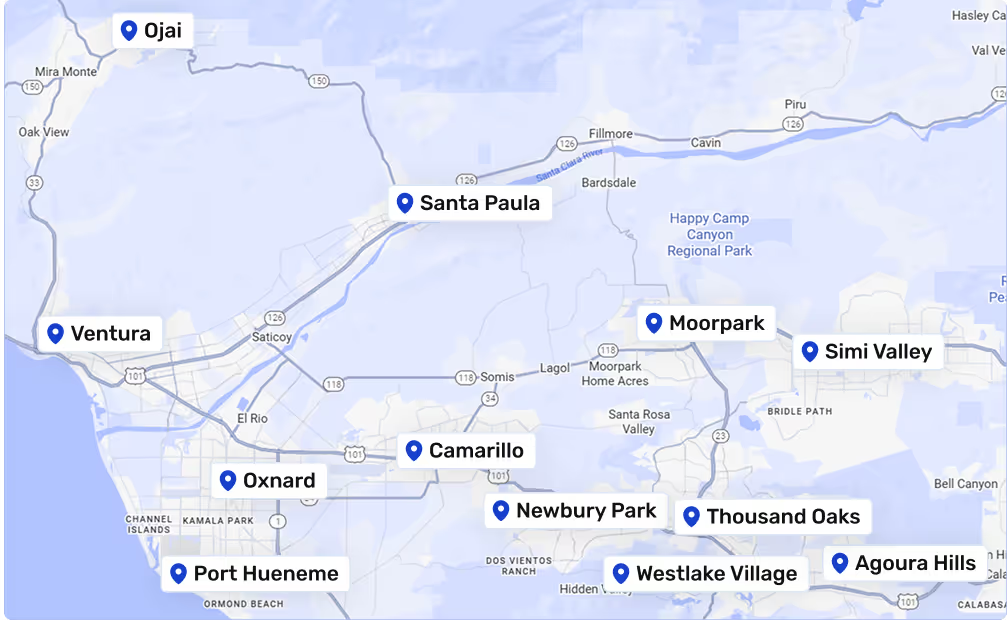


Leak Detection in Simi Valley, CA
.avif)

Finding and fixing leaks fast protects your home, prevents costly repairs, and preserves comfort. Camarillo Plumbing provides professional leak detection in Simi Valley, CA using non-invasive diagnostics and experienced technicians who understand local building types, soil conditions, and irrigation patterns. Whether you suspect a hidden slab leak, an irrigation line failure, or a possible gas leak, accurate detection is the first step to a reliable repair plan.
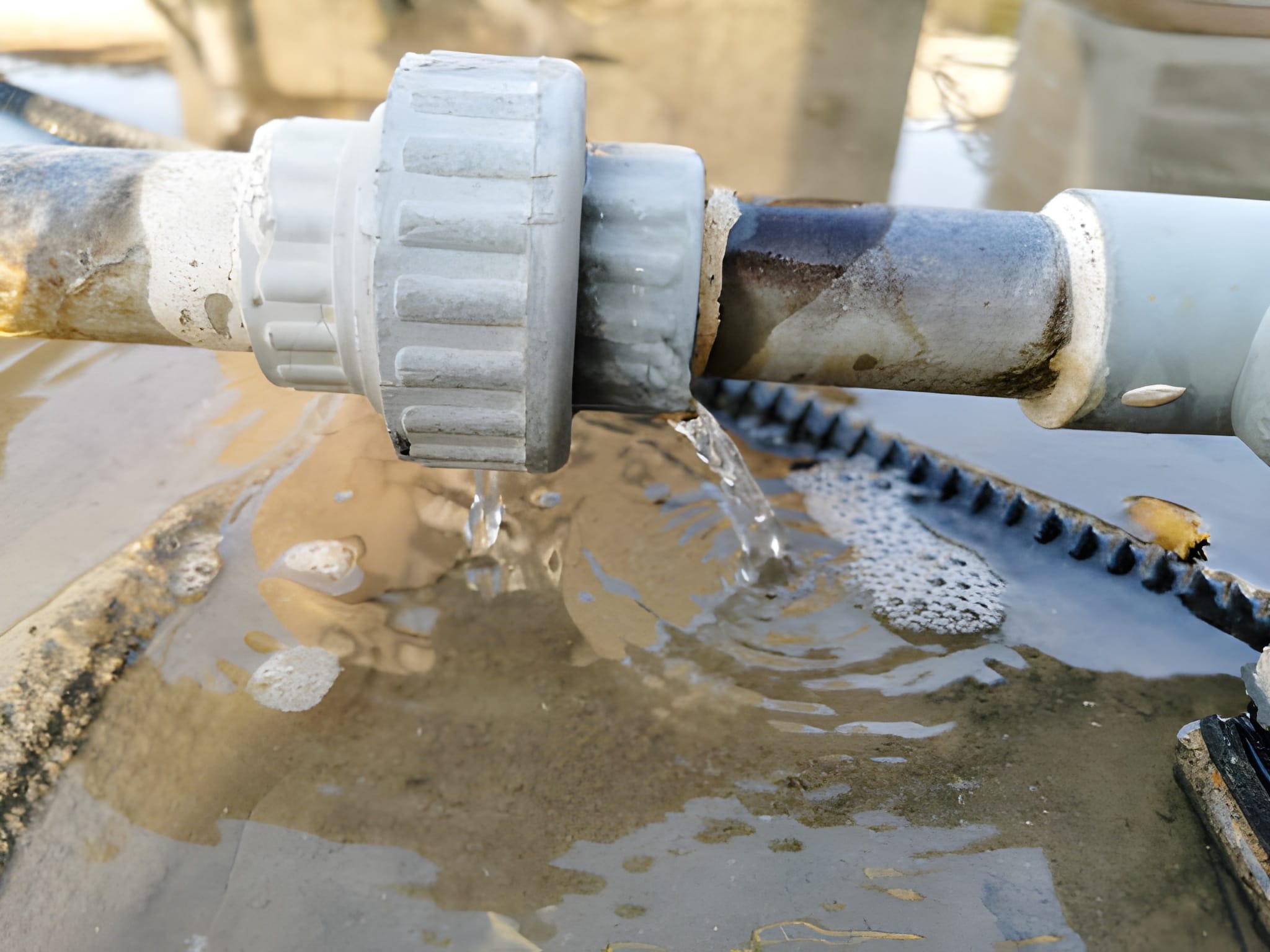
Common types and signs of leaks in Simi Valley homes
Simi Valley homes often have slab foundations, older plumbing, and extensive irrigation systems. Typical leak types we locate include:
- Hidden slab leaks
- Signs: unexplained wet spots on floors, warm areas in tile, sudden increases in water bills, low water pressure, mold or musty odors near foundation.
- Slab-to-pipe connection leaks
- Signs: water pooling near foundation edges, cracking or settling floors, intermittent hot water issues when return lines run under slabs.
- Irrigation system leaks
- Signs: soggy patches in the yard, crowded or failing sprinkler heads, reduced coverage, or visible pooling near control valves.
- Gas line leaks
- Signs: distinct rotten-egg odor, hissing sounds near piping, sudden pilot outages, or unexplained blasts of yellow flame on appliances. Any suspected gas leak requires immediate attention.
- Sewer and drain leaks
- Signs: recurring sewer odors, slow drains across multiple fixtures, sinkholes or depressions in the yard, or sewage backups.
Non-invasive diagnostic methods we use
Camarillo Plumbing emphasizes minimally disruptive detection to pinpoint problems with precision:
- Acoustic detection
- Uses sensitive listening devices to detect the sound of escaping water in pipes. Highly effective for pressurized leaks and slab locations.
- Electronic leak locators
- Amplify subtle signals to trace buried pipe paths and isolate leak points without digging.
- Infrared and thermal imaging
- Visualize temperature differences through floors and walls to reveal wet zones, warm slab leaks, or hidden moisture pathways.
- Sewer camera inspection
- A camera navigates sewer and drain lines to inspect for cracks, roots, separations, or blockages contributing to leaks or backups.
Step-by-step inspection and reporting process
Camarillo Plumbing follows a structured process so you know what to expect:
- Arrival and safety check: confirm utilities, visually inspect accessible fixtures and meters.
- Confirm symptoms: review homeowner observations and utility usage patterns.
- Isolate systems: shut off sections as needed to narrow water flow and pressure changes.
- Apply diagnostics: use acoustic, electronic, infrared tools and a sewer camera when appropriate.
- Pinpoint and mark location: mark precise surface spots for repair crews to minimize digging.
- Create a detailed report: include photos, diagnostic readings, mapped pipe runs, and repair options with estimated timelines.
- Recommend next steps: outline repair scope, required permits, and any temporary mitigation measures.
Most diagnostic visits are completed the same day; complex multi-system inspections may require additional follow-up.
Typical repair recommendations and timelines
Repair approach depends on the leak type, location, and condition of existing piping. Common recommendations include:
- Localized pipe repair or replacement
- Small accessible leaks are often repaired within hours.
- Slab leak solutions
- Options: targeted slab cut and repair, reroute piping above slab, or full repipe of affected runs. Minor slab repairs can be done in a day; extensive rerouting or repiping may take multiple days.
- Irrigation repairs
- Replace damaged lateral lines, valves, or heads. Most irrigation repairs are completed same day.
- Gas line repairs
- Immediate shutoff and securement, followed by section replacement and pressure testing. Gas repairs are treated as emergencies and prioritized for immediate response.
- Sewer repairs
- Trenchless options like pipe lining or spot repair are often available to reduce landscaping disruption. More extensive replacements can take one to several days depending on access and permitting.
Timelines depend on permit needs, extent of excavation, and materials. Your report will outline expected repair duration for the recommended approach.
Cost considerations
Several factors influence cost for leak detection and repair:
- Accessibility of the leak and need for excavation
- Type of pipe material and age of plumbing system
- Whether a trenchless solution is viable
- Required permits or inspections in Simi Valley
- Landscaping or hardscape restoration needs after excavation
Diagnostic fees are typically separate from repair costs. Early detection reduces overall expense by preventing secondary damage such as mold remediation or structural repairs.
Emergency response and 24/7 availability
Camarillo Plumbing provides emergency leak detection and gas leak response tailored to Simi Valley conditions. For suspected gas leaks do not use open flames or electrical switches and ventilate the area if safe. For major water leaks, shutting off your main water valve can limit damage until technicians arrive. Emergency responses prioritize safety, immediate isolation of hazards, and rapid diagnostic work to determine the fastest path to a permanent repair.
Why timely professional detection matters in Simi Valley
Simi Valley’s climate, soil conditions, and variety of home ages make hidden leaks uniquely damaging. Slab foundations and shifting soils can mask leaks until they cause significant floor or structural damage, mold growth, or steep utility bills. Professional, non-invasive detection saves time and money by locating problems accurately and recommending the least disruptive repair method.
Frequently Asked Questions
Q: How long does a typical leak detection visit take?
A: Most diagnostic visits are completed in a few hours. Complex investigations involving multiple systems or sewer camera work may take longer or require a follow-up visit.
Q: Will you need to break concrete or dig up my yard to find the leak?
A: Not usually. We use acoustic, electronic, and thermal tools to pinpoint leaks precisely. Excavation is only used when necessary for repair.
Q: Are your leak detection methods safe for my home and plumbing?
A: Yes. Non-invasive techniques are designed to protect finishes, landscaping, and existing plumbing while providing accurate location information.
Q: Do you handle gas line leak detection and repair?
A: Yes. Gas leaks are treated as emergencies. The line is secured, pressure-tested, and repaired by qualified technicians following local regulations.
Q: Can slab leaks be rerouted to avoid breaking concrete?
A: Often slab-to-pipe rerouting above the slab is a viable option, reducing concrete breaking. The best approach depends on access and existing piping layout.
Q: Will detection include a written report and repair options?
A: Yes. You receive a detailed report with photos, precise locations, diagnostic data, and recommended repair options with expected timelines.
hear what our satisfied clients have to say