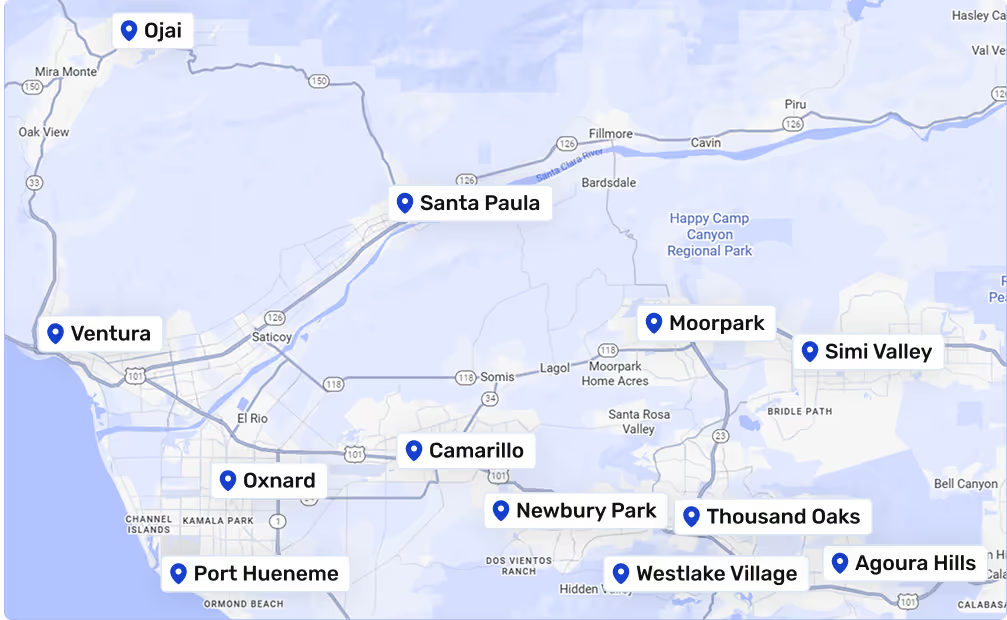


Leak Detection in Port Hueneme, CA
.avif)

Hidden leaks threaten both residential and commercial properties in Port Hueneme, CA. Whether a slow slab leak under a concrete foundation, a sewer line break, or a pinhole leak inside a wall, undetected water damage leads to mold, structural problems, and rising utility bills. Camarillo Plumbing provides comprehensive, non-invasive leak detection tailored to Port Hueneme homes and businesses, combining local experience with advanced diagnostic tools to locate leaks quickly and limit disruption.
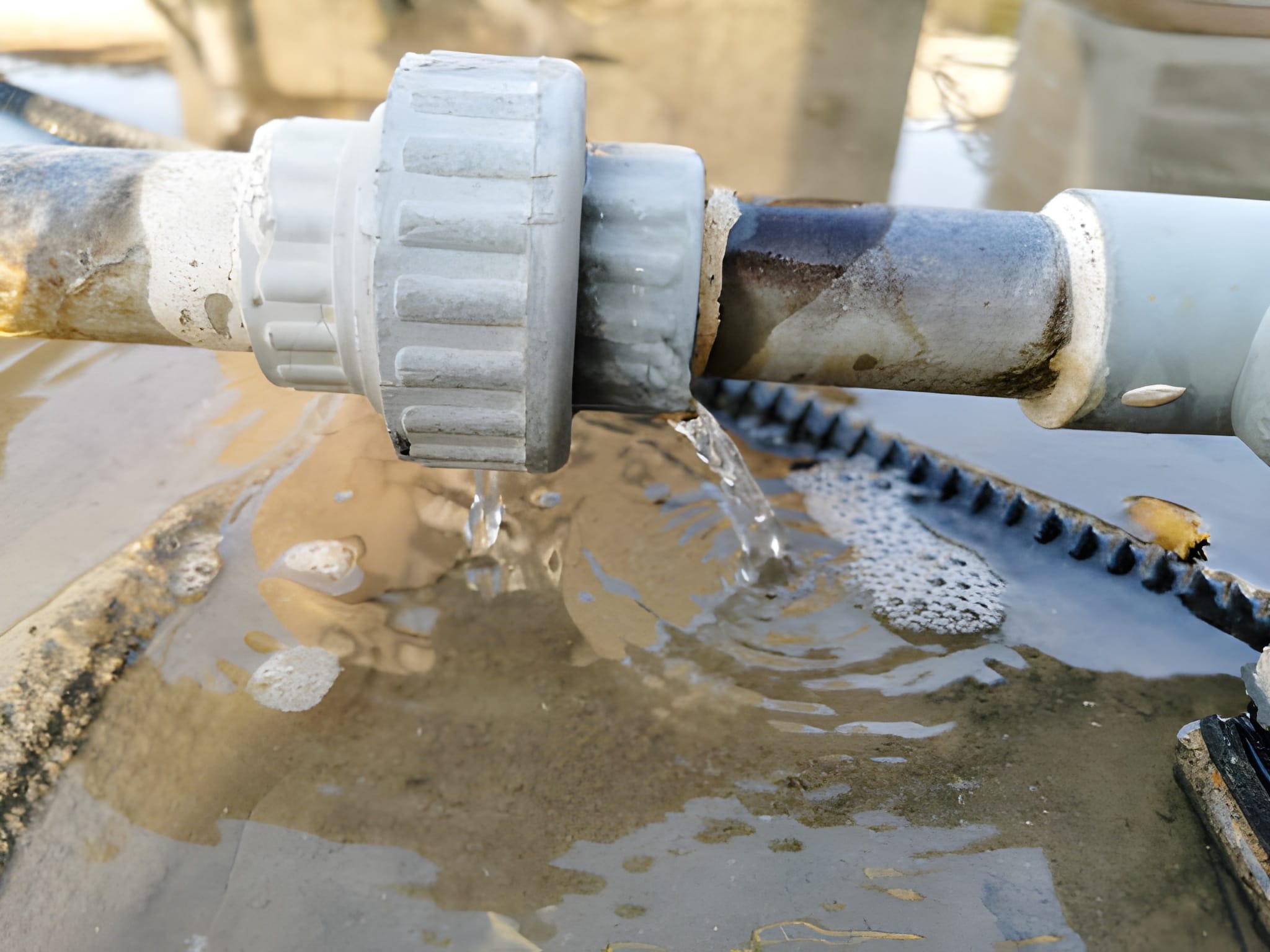
Why leak detection matters in Port Hueneme, CA
Port Hueneme is coastal, with salt air, sandy soils, and many homes and commercial buildings on slab foundations. These conditions increase the risk of buried pipe corrosion, slab leaks, and sewer line settling. Seasonal winter rains and irrigation systems can mask or accelerate leaks, while close proximity to the ocean can speed up metal deterioration. Early detection protects property value, reduces health risks from mold, and prevents costly structural repairs.
Common signs of hidden leaks in Port Hueneme properties
- Unexplained increase in water bills despite unchanged usage
- Localized warm spots on floors or walls indicating hot water leaks
- Persistently damp or musty odors in basements, crawl spaces, or behind walls
- Cracked or deformed flooring, tile grout separation, or bubbling paint
- Low water pressure or unusual gurgling in drains and toilets
- Wet patches on lawns that do not correlate with irrigation schedules
- Recurring sewer odors or drainage backups
Non-invasive diagnostic methods we use
Camarillo Plumbing relies on proven, minimally invasive technology to pinpoint leaks without tearing up finished surfaces.
- Acoustic leak detection
- Uses sensitive listening devices to detect the sound of water escaping from pressurized pipes. Especially effective for hidden water line leaks and slab leaks.
- Thermal imaging (infrared)
- Reveals temperature differences caused by leaking hot or cold water behind walls or under floors. Useful for both hot water and chilled water lines.
- Video camera inspection
- Flexible sewer and drain cameras travel through pipes to visually inspect the interior, locate breaks, root intrusion, and blockages without excavation.
- Slab leak detection
- Combines acoustic tools, pressure testing, and infrared scanning to isolate leaks beneath concrete slabs and foundations.
- Sewer line locating and dye testing
- Flow tracing and non-toxic dye tests help confirm sewer line failures and identify where lines exit structures and enter the public main.
Inspection, reporting, and typical timelines
- Initial assessment
- A technician evaluates visible symptoms and reviews recent water usage and property history to form a testing plan.
- Diagnostic testing
- Most standard diagnostics (acoustic, thermal, camera) are completed during a single site visit. Slab or deeply buried sewer investigations may require additional specialized testing.
- Clear reporting
- You receive a written diagnostic report summarizing findings, exact leak locations (where possible), photographic or video evidence from camera inspections, and recommended next steps.
- Timelines
- Many diagnostic jobs are resolved in one visit. More complex slab or sewer investigations may take 24 to 72 hours to fully isolate and confirm the leak, depending on accessibility and testing requirements.
Emergency response and fast arrival
Camarillo Plumbing maintains emergency response capability with technicians available 24/7 for urgent leaks that risk structural damage or severe flooding. For non-critical diagnostics, same-day service is commonly available. Field crews are equipped to perform immediate temporary measures to stop active leaks while planning permanent repairs.
Typical repair options and what to expect
Once a leak is located, repair options depend on the pipe material, location, and structural considerations.
- Localized repair
- Accessing the damaged section and repairing or replacing the affected pipe segment. Minimally invasive in-wall or under-slab repairs are chosen when feasible.
- Rerouting or repiping
- For extensively corroded or inaccessible piping, rerouting lines or partial repiping provides a long-term solution.
- Trenchless sewer repair
- Where suitable, trenchless methods limit excavation by relining or pipe bursting, preserving landscaping and minimizing downtime for businesses.
- Slab repairs
- When slab access is unavoidable, technicians use targeted small core cuts and restoration best practices to limit disruption and restore surfaces.
- Temporary containment
- For active leaks, technicians may isolate systems, shut off select valves, or use clamps and wraps for short-term mitigation before final repairs.
Cost considerations and transparency
Costs vary based on leak type, accessibility, and repair complexity. Diagnostic inspections are priced to reflect the tools and time required; repair estimates reflect materials, labor, and restoration scope. Camarillo Plumbing emphasizes transparent reporting so property owners understand why a particular repair is recommended and the trade-offs between repair options.
Preventive maintenance and practical tips for Port Hueneme properties
- Schedule periodic inspections for older plumbing systems, especially in homes built on slab foundations or with galvanized pipe.
- Monitor water bills and meter readings to detect small, persistent losses.
- Insulate exposed pipes and consider protective coatings for metal piping in coastal areas to reduce corrosion risk.
- Maintain sewer and drain health with routine camera inspections if tree roots or shifting soils are common nearby.
- Adjust irrigation schedules and check sprinkler systems for leaks that may mask subsurface plumbing failures.
Credentials, guarantees, and local experience
Camarillo Plumbing has provided plumbing services throughout Ventura County and the Port Hueneme area for decades and brings local knowledge of coastal conditions and common regional plumbing failures. License #239763. Technicians are trained on modern diagnostic equipment and industry best practices. Work is backed by workmanship and manufacturer warranties where applicable. Documentation from camera inspections and diagnostic testing is provided with findings to support insurance claims or property disclosures.
FAQs
Q: How soon can a hidden leak under a slab be located?A: Many slab leaks can be isolated during a single diagnostic visit using a combination of acoustic and thermal tools, though complex cases may require follow-up testing over 24 to 72 hours to precisely map the leak path.
Q: Will detecting a leak require tearing up my landscaping or floors?A: The initial detection process is non-invasive. Repairs may require localized access. Trenchless sewer methods and targeted core cuts are used whenever possible to minimize disruption.
Q: Can you detect sewer leaks from inside the house?A: Yes. Video camera inspections and flow tracing can identify sewer line problems from cleanouts and accessible entry points without excavation.
Q: Are diagnostic reports useful for insurance claims?A: A detailed diagnostic report with photos or video evidence and a clear explanation of findings supports documentation for insurance claims and repair approvals.
Q: Does coastal salt air change how long pipes last?A: Yes. Salt air can accelerate corrosion of metal pipes, increasing the importance of periodic inspections and earlier intervention for aging plumbing systems in Port Hueneme.
hear what our satisfied clients have to say