


Faucet Repair in Port Hueneme, CA
.avif)

Faucet Repair in Port Hueneme, CA focuses on restoring reliable water flow, stopping leaks, and extending the life of kitchen and bathroom fixtures in coastal Ventura County homes. Salt air, occasional hard water, and heavy daily use in seaside households increase wear on seals, cartridges, and finishes. Professional repair addresses visible problems like dripping and low pressure as well as underlying issues that can cause higher water bills, countertop damage, or mold growth if left unattended.
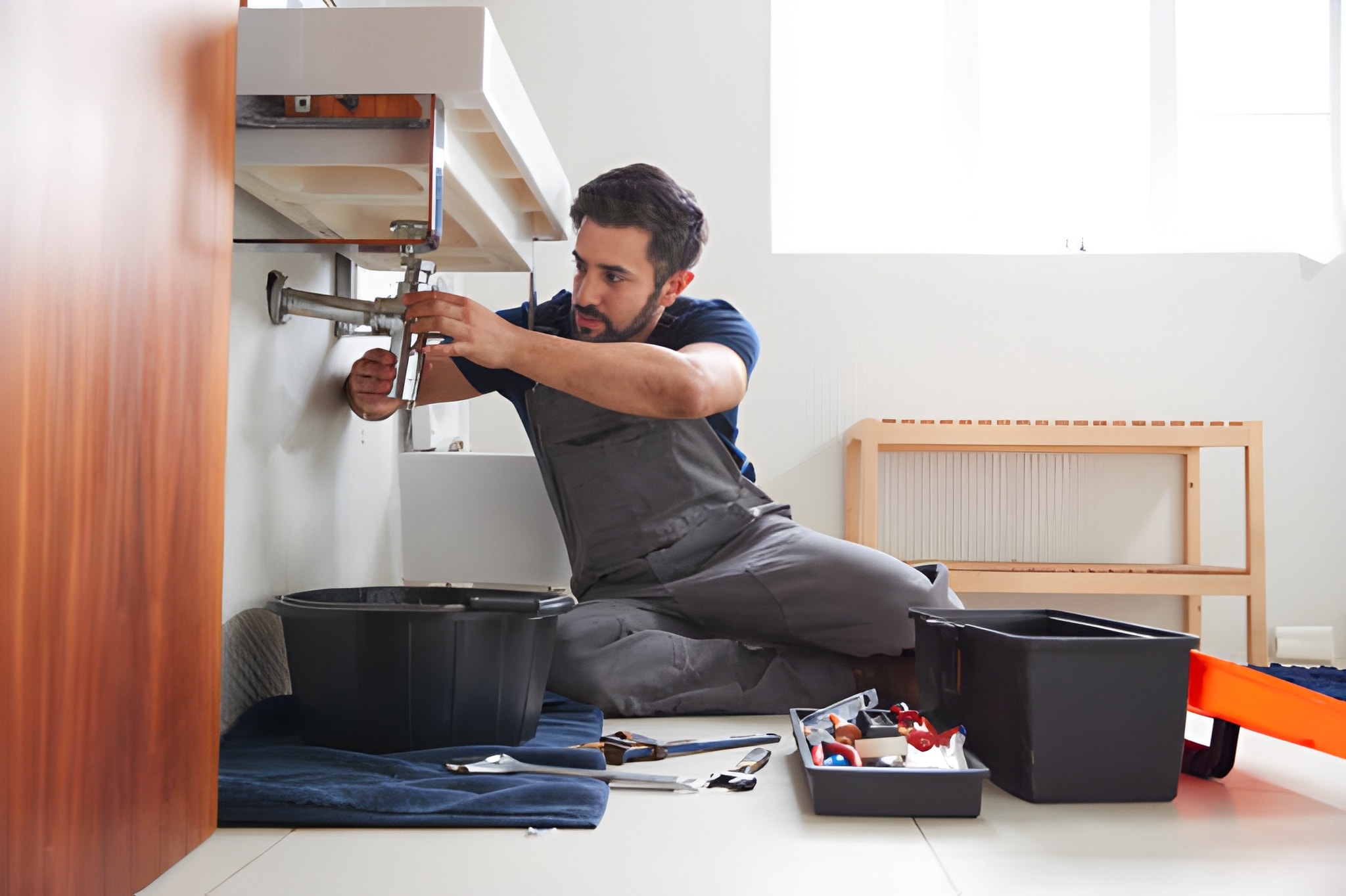
Common signs of faucet problems in Port Hueneme homes
- Persistent drip from spout or handles, even after shutting off completely
- Visible leaks under the sink or around the faucet base and handle escutcheons
- Low or uneven water pressure from one outlet or hot/cold imbalance
- Stiff, sticky, or loose handles that are difficult to operate
- Spitting or sputtering water when faucet is turned on
- Corroded or pitted finish and mineral buildup around aerators and spouts
Salt-laden coastal air accelerates corrosion of metal components, while mineral buildup from moderately hard local water can clog aerators and restrict flow. Early diagnosis reduces risk of water damage and preserves high-end fixture finishes common in Port Hueneme homes.
Diagnostic process — what a pro technician checks
- Visual inspection of the faucet body, handles, and finish for corrosion or cracking
- Check under-sink shutoff valves and supply lines for leaks and proper operation
- Remove and inspect aerator for scale and debris; perform flow test to measure pressure and pattern
- Access and examine cartridge, valve seat, O-rings, and washers for wear or deformation
- Pressure and leak testing while components are isolated to identify source of leak
- Assessment of access and parts availability for older or specialty fixtures
Diagnostics typically take 30 to 60 minutes for a single fixture. Accurate diagnosis is essential to recommend the most cost-effective and reliable solution.
Common repair procedures explained
- Cartridge or valve replacement: Replacing worn ceramic or plastic cartridges restores smooth handle operation and stops internal leaks. This is the most common repair for single-handle and some double-handle faucets.
- Seal, O-ring, and washer replacement: Traditional compression and older faucets often leak due to degraded seals. Replacing these small parts eliminates drips at the base and spout.
- Aerator cleaning and replacement: Mineral buildup in the aerator reduces flow and causes sputtering. Cleaning or swapping the aerator often restores normal performance.
- Valve seat resurfacing or replacement: When the valve seat is pitted, sealing faces no longer mate properly. Technicians can reface seats when accessible or replace them if needed.
- Supply line and shutoff valve repair: Leaks under-sink commonly originate from failing supply lines or shutoff valves and require replacement to secure the system.
- Finish care and corrosion control: Light corrosion can sometimes be cleaned and protected; heavily corroded fixtures may need parts replacement or total replacement to avoid recurring leaks.
Most repairs are completed without replacing the entire fixture. When parts are obsolete, or corrosion has compromised internal components, replacement may be the best long-term choice.
When to repair versus replace
Repair is recommended when:
- The faucet is relatively new and original parts are available
- The problem is limited to a replaceable component (cartridge, O-ring, aerator)
- The finish and overall condition are good
Replace when:
- The faucet is older with multiple recurring failures or inaccessible parts
- Corrosion has damaged internal components or mounting hardware
- You want an updated style, improved water efficiency, or a warranty-backed new fixture
Age, frequency of repairs, and availability of replacement parts guide the decision. In coastal Port Hueneme environments, advanced corrosion or persistent leaks after multiple repairs often indicate replacement will be more reliable long term.
Brands and parts commonly serviced
Technicians service major residential brands and their OEM parts, including:
- Moen, Delta, Kohler, Pfister, Grohe, American Standard, Hansgrohe, and Toto
- OEM and high-quality aftermarket cartridges, ceramic discs, seals, O-rings, aerators, and supply lines
- Specialty or commercial-grade fixtures used in vacation rental or multi-family Port Hueneme properties
When possible, technicians install manufacturer-recommended parts to preserve performance and warranties. For older or discontinued models, compatible alternatives are sourced to restore function.
Expected timelines and what to expect during service
- Diagnostic visit: 30 to 60 minutes for single-faucet inspection
- Typical repairs (cartridge, seals, aerator): 30 to 90 minutes per faucet
- More complex jobs (valve seat work, supply line replacement): 1 to 3 hours depending on accessibility
- Full faucet replacement: 1 to 4 hours depending on countertop access and sink configuration
- Emergency repairs: prioritized same day or next available slot when urgent leaks threaten property
Technicians arrive prepared with common parts for many brands to reduce return visits. They perform leak and pressure checks post-repair and leave the area clean and tested.
Warranty information
- Manufacturer parts retain their original warranties when OEM components are used.
- Professional labor warranties and parts warranties vary by provider; repairs commonly include a limited labor warranty covering workmanship for a defined period.
- Warranty coverage for repairs to high-salt or heavily corroded systems may include recommendations for ongoing maintenance to prevent future failures.
Confirm warranty terms before work begins to understand coverage for parts and labor.
Preventative maintenance tips for Port Hueneme homes
- Clean aerators every 3 months to prevent mineral buildup and maintain flow
- Operate under-sink shutoff valves annually to ensure they turn and seal properly
- Inspect visible supply lines and connections for early signs of leakage or corrosion
- Avoid harsh abrasive cleaners on fixtured finishes; rinse and dry coastal salt residue frequently
- Consider upgrading to corrosion-resistant materials or finishes if fixtures show repeated rusting
- Install inline sediment filters if your home has high particulate content to prolong cartridge life
Regular maintenance prevents small issues from becoming major repairs and protects finishes in coastal environments.
Emergency and routine service scheduling expectations
Emergency plumbing service for active leaks or flooding is typically available around the clock. Routine repairs and diagnostic appointments are scheduled during normal business hours with defined arrival windows. During scheduling, expect a technician to explain the diagnostic findings, recommend repair or replacement options, outline parts needed, and provide an estimate before work proceeds.
Q: How long will it take to stop a dripping faucet?
A: Most internal repairs like replacing a cartridge, seals, or an aerator stop the drip within one service visit, typically 30 to 90 minutes depending on access and part availability.
Q: Can all faucets be repaired or are some unfixable?
A: Many faucets can be repaired, but if internal components or mounts are badly corroded, or parts are obsolete, replacement is the more reliable long-term solution.
Q: Do you use original manufacturer parts?
A: Technicians use OEM parts when available and compatible high-quality aftermarket replacements when necessary, preserving function and warranty where possible.
Q: Will repairing a faucet improve water pressure?
A: Yes, cleaning aerators, replacing clogged cartridges, and fixing supply line issues commonly restore proper flow and pressure.
hear what our satisfied clients have to say