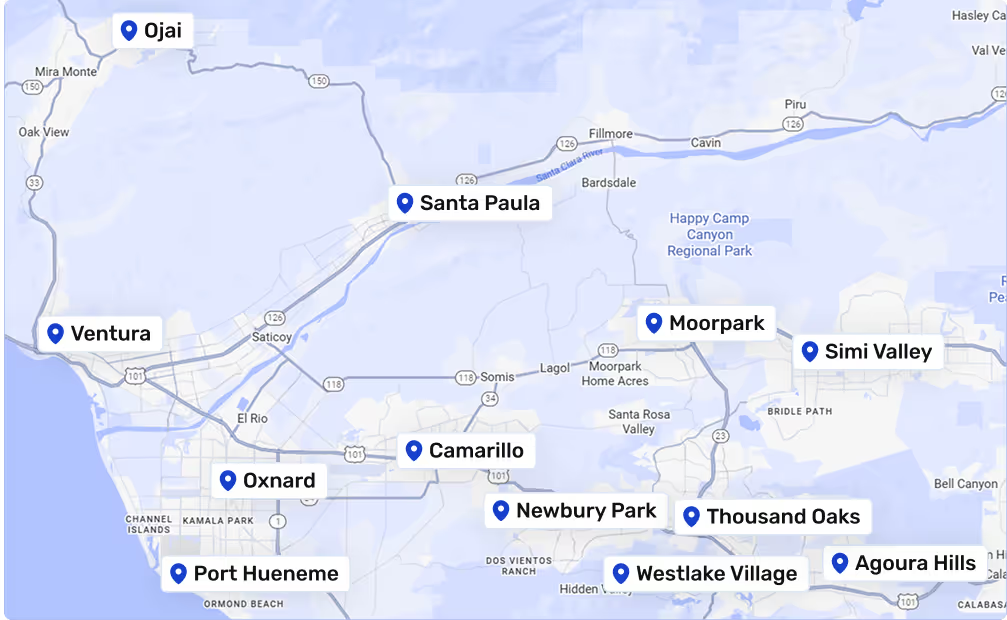


Water Heater Installation in Ventura, CA
.avif)

Installing a new water heater is a major home upgrade that affects comfort, energy bills, and long-term reliability. Camarillo Plumbing provides professional water heater installation in Ventura, CA, with a focus on right-sizing, code-compliant work, and options that match local conditions — from coastal salt air to variable water hardness. The information below explains the choices, the installation process, and what Ventura homeowners should expect on the day of installation.
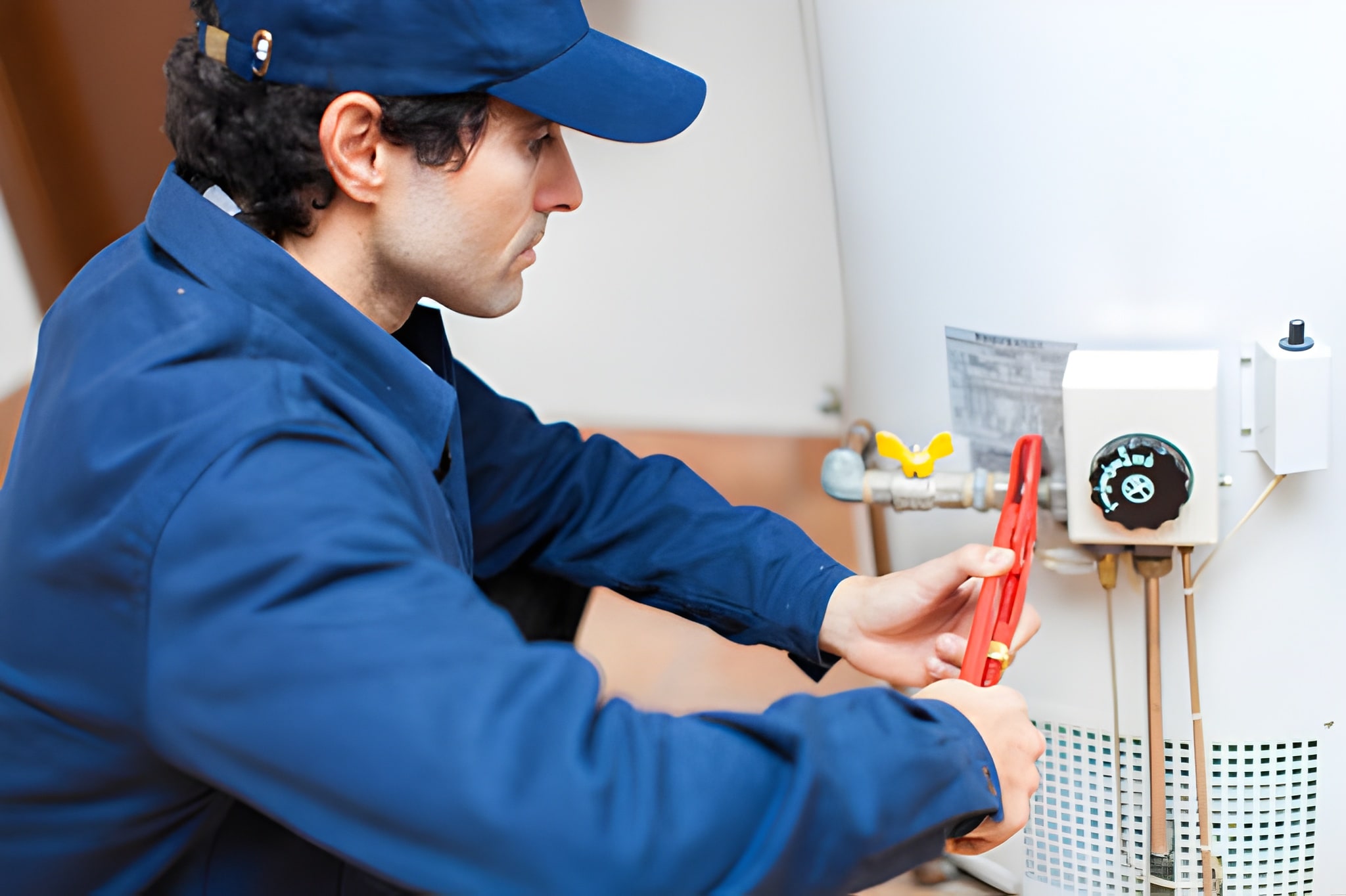
Common water heater needs in Ventura homes
- Replacement of an old, leaking, or corroded storage tank due to age or salt-air corrosion.
- Upgrading to a more efficient unit to reduce energy costs.
- Switching fuel type or moving to tankless on-demand systems for space savings and continuous hot water.
- Integrating a new heater with whole-home water filtration or softening to reduce scale and extend service life.
- Compliance upgrades for seismic strapping, pressure relief piping, or closed-system expansion tanks.
Pre-installation site assessment
Before recommending units, Camarillo Plumbing performs a thorough site assessment:
- Measure available space, clearances, venting paths, and utility access (gas line, electric panel, water lines).
- Test incoming water quality and hardness to evaluate scale risk.
- Inspect existing venting and combustion air for gas units and confirm electrical capacity for electric or hybrid models.
- Verify location for seismic strapping and required clearances per California plumbing codes and local Ventura County/City of Ventura requirements.This assessment ensures the new system fits your home safely and performs efficiently.
Unit sizing and fuel-type selection
Choosing the right size and fuel type is critical:
- Tank water heaters: sizing based on first-hour rating and household demand (showers, dishwasher, laundry).
- Tankless water heaters: sizing based on simultaneous flow rates and temperature rise required in Ventura’s mild coastal climate.Fuel selection considerations:
- Natural gas: common in Ventura, tends to be cost-effective for high-demand households but requires proper venting.
- Electric: simpler installation where gas is not available, but operating costs can be higher depending on electric rates.
- Tankless (gas or electric): best for continuous hot water and space savings; gas tankless offers higher flow but requires venting and proper gas supply.Local factors like moderate incoming groundwater temperatures and potential hard water influence the recommended capacity and whether a softener or scale-reduction device is advisable.
Benefits of tankless systems in Ventura
- On-demand hot water with no standby heat loss.
- Smaller footprint, easier placement in compact Ventura homes.
- Longer expected lifespan compared with traditional tanks when maintained.
- Energy savings for households with intermittent hot water usage.Note: tankless systems are sensitive to scale buildup, so pairing with a water softener or scale inhibitor is often recommended in Ventura areas with hard water.
Permitting and code compliance
Permits and inspections are a normal part of water heater installation in Ventura, CA:
- Installations must meet California plumbing and building codes, local Ventura County or City of Ventura ordinances, and often Title 24 energy requirements for certain replacements.
- Gas line modifications, combustion air/venting, seismic strapping, expansion tanks for closed systems, and proper T&P relief valve discharge piping are common inspection items.Camarillo Plumbing handles permit submission and coordinates inspections to ensure the installation passes code requirements.
Step-by-step installation process
- Finalize equipment selection and secure necessary permits.
- Shut off utilities: water, gas, and/or electrical supply.
- Drain and remove the old unit, safely disconnecting gas and electrical connections.
- Prepare the installation area: install new venting or electrical/gas feeds as needed, add seismic straps and platform if required.
- Set and connect the new heater: water lines, gas piping or electrical circuit, T&P valve, and expansion tank if needed.
- Pressure and leak tests on water and gas connections; check venting and combustion performance on gas units.
- Start-up, calibrate temperature settings, and explain operation and maintenance to the homeowner.
- Final inspection with local authority, if required.Technicians leave the area cleaned and all debris removed.
Expected timeline
- In-home assessment and quote: typically same-day or within a few days.
- Installation of a like-for-like tank water heater: commonly 3 to 6 hours on the day of service.
- Tankless or installations requiring new venting, gas upgrades, or substantial plumbing modifications: 6 to 8 hours or split over multiple days.
- Permit and inspection turnaround: can range from same-day to several business days depending on local schedules and permit processing.
Warranty and manufacturer options
- Manufacturer warranties commonly range from 6 to 12 years on tank units and up to 10 to 15 years on tankless heat exchangers, depending on brand and model.
- Labor warranties vary; Camarillo Plumbing provides workmanship guarantees on installations for a specified period.
- Homeowners receive documentation on both manufacturer and labor warranty coverage, recommended maintenance schedules, and parts replacement policies.
Optional integration with water filtration or softening systems
- Hard water in parts of Ventura can accelerate scale buildup and reduce heater efficiency and life.
- Installing a water softener or whole-home filtration ahead of the water heater reduces mineral accumulation, protects tank and tankless heat exchangers, and improves soap performance.
- For tankless systems, consider a dedicated scale-reduction device or routine descaling plan to maintain performance.
What homeowners should expect on the day of installation
- Professional arrival with proper identification and tools; area protection measures in place.
- Brief walkthrough explaining the work plan and timeline.
- Utilities will be temporarily shut off for safe removal and installation.
- Noise, minor disruption, and some odors from old unit removal are normal; technicians minimize impact and keep work areas tidy.
- Final demonstration of new system operation, temperature controls, and warranty paperwork before departure.
Regular maintenance and long-term benefits
- Routine maintenance extends service life: annual checks for tanks, descaling or filter replacement for tankless, and inspection of pressure relief valves and venting.
- Proper installation and maintenance improve energy efficiency, reduce unexpected failures, and protect plumbing fixtures and appliances from sediment and scale damage.
FAQsQ: How do I know whether to choose tank or tankless for my Ventura home?A: Evaluate household hot water demand, available space, fuel access, and long-term energy goals. Tankless suits continuous or high-efficiency needs but may need gas upgrades and scale management. A sizing assessment provides a clear recommendation.
Q: Will my installation require a permit and inspection?A: Most water heater replacements and new installations in Ventura require permits and may need inspections for gas, plumbing, and seismic compliance. Permit needs depend on the scope of work.
Q: How long before I can shower after installation?A: Once installation, testing, and inspection (if required) are complete and the unit is up to temperature, hot water is typically available the same day. Inspection scheduling may affect final sign-off timing.
hear what our satisfied clients have to say