
Tankless Water Heater in Ventura, CA
.avif)

Tankless water heaters are an efficient, space-saving upgrade for Ventura homes that want reliable on-demand hot water and a longer-lasting system than traditional tanks. Homeowners in Ventura face unique concerns—mild coastal temperatures, salt air exposure, and variable mineral content in water—that affect system performance and longevity. Camarillo Plumbing explains how tankless systems work, what to consider for sizing and installation, common issues and maintenance, and how to choose the right model for your Ventura residence.
How tankless water heaters work
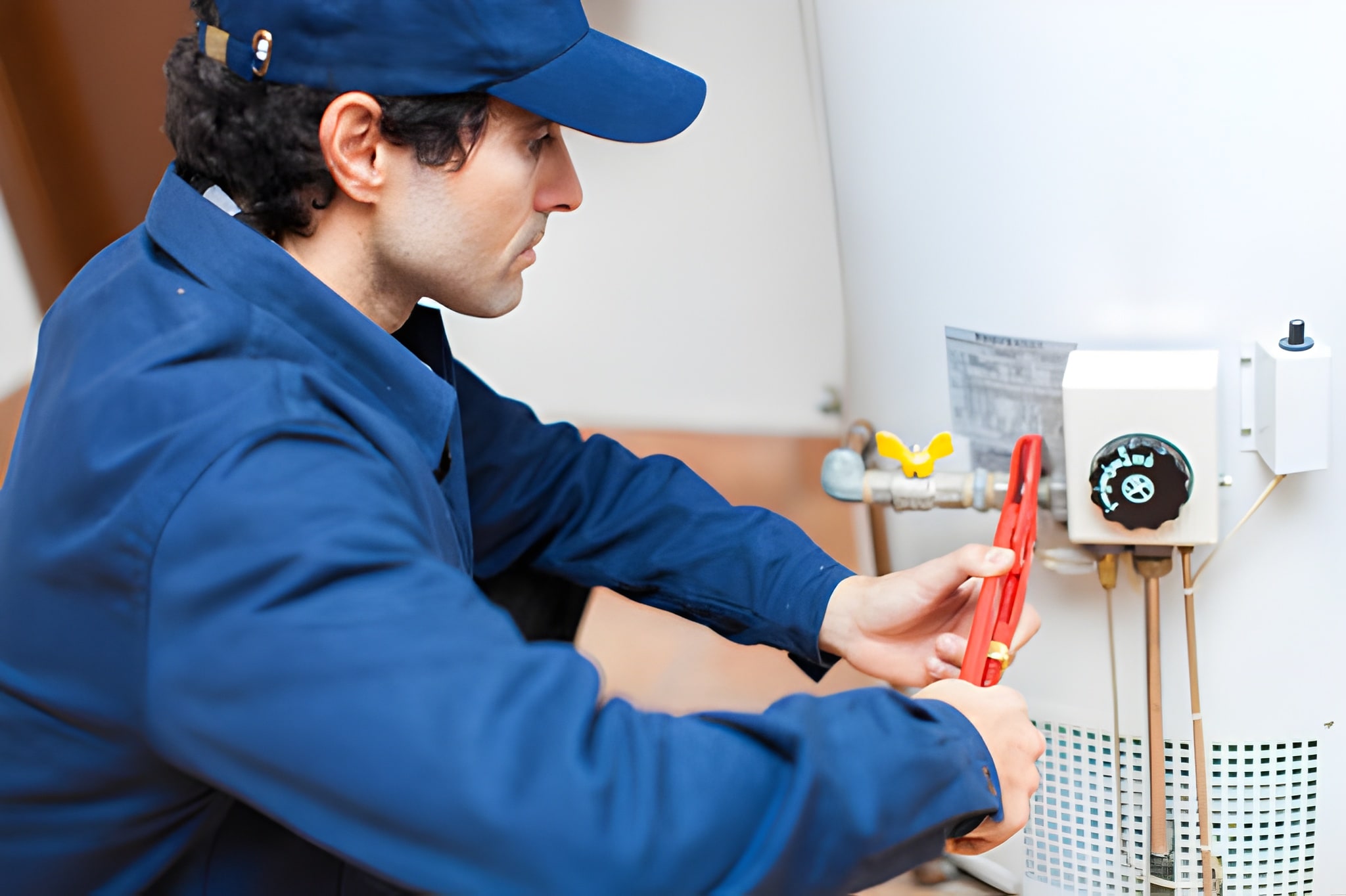
A tankless water heater heats water directly when a hot tap is opened. Instead of storing hot water in a tank, a gas burner or electric element activates and heats the water as it flows through the unit. The main performance metric is flow rate, measured in gallons per minute (GPM), and temperature rise, the difference between incoming groundwater temperature and the desired hot water temperature. Because water is heated on demand, there is no standby heat loss, improving energy efficiency compared with storage tank systems.
Advantages for Ventura homeowners
- Energy efficiency: Reduced standby heat losses translate to lower energy use for homes that do not require continuous large volumes of hot water.
- On-demand hot water: Consistent supply without a limited tank reserve; ideal for families who use showers, dishwashers, and laundry in overlapping windows.
- Longer lifespan: Typical tankless units last longer than traditional tanks when properly maintained.
- Space savings: Compact wall-mounted units free up garage or utility closet space in Ventura homes where layout flexibility matters.
- Reduced risk of tank leaks: No large storage tank means fewer catastrophic leak events and less water damage risk.
Sizing and capacity considerations
Selecting the right size is crucial. Key factors:
- Peak simultaneous demand: Estimate the maximum number of fixtures likely to run at once (example: two showers plus dishwasher).
- Flow rate needs: Showers use roughly 1.5 to 2.5 GPM, sinks 0.5 to 1.5 GPM; add up expected simultaneous GPM to set a baseline.
- Temperature rise: Ventura’s mild groundwater temperatures lower the required temperature rise compared with colder regions, letting a smaller unit meet demand more easily.
- Fuel type capacity: Natural gas units typically deliver higher flow rates than electric models; electrical supply and panel capacity must be evaluated if considering electric tankless.
A professional load calculation will pair flow rate and temperature rise to recommend the correct model and number of units.
Comparing tankless vs traditional tank units
- Efficiency: Tankless wins for intermittent or varied use; tanks may be more economical for very high continuous demand.
- Upfront cost: Tankless units generally have higher upfront equipment and installation complexity.
- Lifespan and maintenance: Tankless units last longer but require periodic descaling in areas with mineralized water.
- Performance: Tankless provides continuous hot water when sized correctly; undersized units can produce fluctuating temperatures.
Professional installation and replacement process
A professional installation should include:
- Site assessment: Evaluate fuel type, venting routes, gas line capacity, electrical supply, and incoming water temperature.
- Sizing and model selection: Match GPM and temperature rise to household needs.
- Permits and code compliance: Local Ventura County and city codes require permits, proper venting, and clearances.
- Installation steps: Remove old equipment if present, install new unit, update gas/electrical connections, route venting, and install pressure and temperature relief measures as required.
- System startup and testing: Flow verification, combustion testing for gas units, and user training.
For many retrofits the process can be more involved than a simple tank swap because venting and gas line upgrades are often necessary.
Typical timelines
- Simple replacement (same location, adequate utilities): a single-day installation.
- Retrofits requiring venting, gas line, or electrical upgrades: one to a few days depending on scope and permitting.
- New construction or complex placements may take longer due to permitting and inspections.
Warranty and maintenance recommendations
- Manufacturer warranties vary; check warranty coverage for heat exchangers and parts. Extended warranties may be available but confirm terms and required maintenance.
- Annual maintenance is recommended: inspect burners or elements, test safety controls, and flush/descale the heat exchanger if mineral buildup occurs.
- In Ventura, water treatment options such as a softener or a targeted scale prevention system can extend unit life where mineral content causes scale.
Common repair issues and troubleshooting
- No hot water: Could be ignition failure, blocked gas supply, tripped safety sensors, or electrical fault.
- Fluctuating temperatures or low flow: Often due to undersized unit, clogged inlet filters, or scale buildup on heat exchanger.
- Error codes: Modern units display codes; recording the code and unit model helps diagnose the issue.
- Corrosion concerns: Coastal salt air can accelerate corrosion of exterior components and venting if not properly installed with corrosion-resistant materials.
Simple homeowner checks: confirm fuel supply and breakers, clean inlet screens, and check error codes. For safety and warranty reasons, complex repairs and gas work should be handled by qualified technicians.
Cost factors, rebates, and financing
While upfront costs for tankless systems are higher than conventional tanks, the long-term energy savings and longer lifespan often offset that difference. Factors influencing cost include:
- Fuel type and local utility availability
- Required upgrades to gas line, venting, or electrical system
- Unit capacity and condensing vs non-condensing models
- Water treatment needs to prevent scaling
Ventura homeowners may qualify for state, local, or utility incentives and financing programs for high-efficiency equipment. Check with local utility and state programs for current incentives and compliance requirements.
Tips for choosing the right model in Ventura
- Match capacity to peak demand using a professional load calculation.
- Favor condensing gas models for higher efficiency when venting options permit.
- Choose materials and venting rated for coastal environments to resist corrosion.
- Factor water quality: add a softener or scale mitigation if minerals are present.
- Confirm installer experience and familiarity with Ventura code and permitting.
- Review manufacturer warranty details and maintenance requirements.
Final thoughts on benefits and upkeep
A properly sized and installed tankless water heater brings Ventura homes dependable on-demand hot water, improved energy efficiency, and space savings. To maximize life and performance, address local concerns like mineral content and coastal corrosion with appropriate water treatment and corrosion-resistant installations. Regular professional maintenance and an accurate sizing assessment are the best ways to ensure long-term reliability.
Q: How long does a tankless water heater last compared with a tank water heater?A: Tankless units typically last longer when maintained, often well beyond the life expectancy of conventional tanks, though actual lifespan depends on water quality and maintenance.
Q: Will a tankless heater handle two showers at once in a typical Ventura home?A: Often yes, but it depends on the unit’s GPM rating and the temperature rise required. A professional load calculation will confirm the right capacity.
Q: Is water softening required for Ventura homes with a tankless system?A: Not always required, but recommended where mineral content causes scaling; a softener or scale prevention system helps protect the heat exchanger and prolong service life.
Q: Are there special venting requirements for gas tankless units near the coast?A: Yes, venting and materials should be selected to resist corrosion from salt air; installers should use code-compliant, corrosion-resistant components.
Q: Do tankless heaters need annual service?A: Yes, annual inspection and periodic descaling are recommended to maintain efficiency and protect warranties.
hear what our satisfied clients have to say