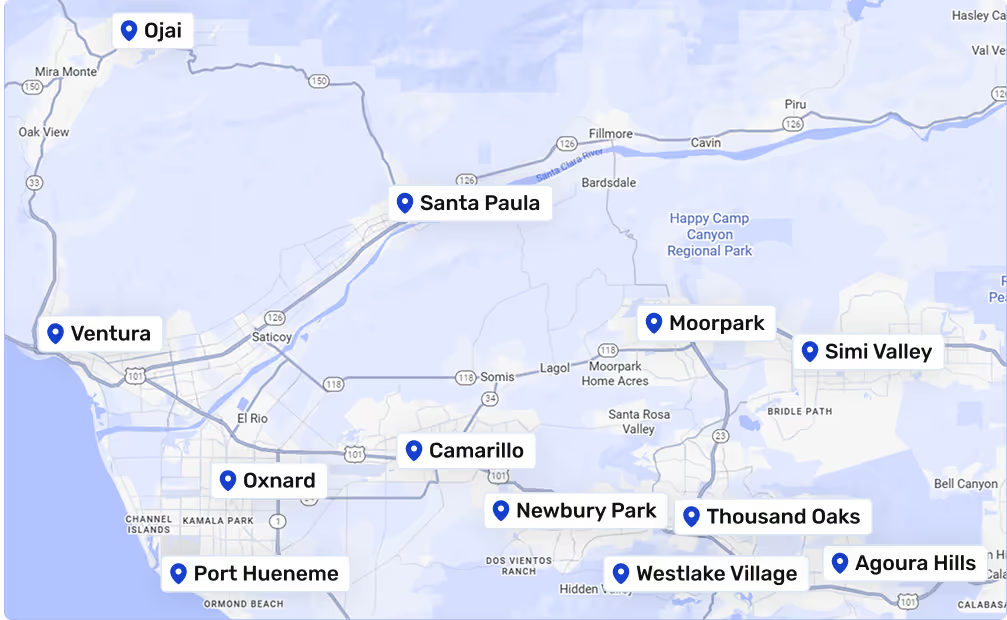


Water Heater Installation in Agoura Hills, CA
.avif)

Upgrading or installing a new water heater is a major home investment that affects comfort, energy bills, and safety. In Agoura Hills, CA, where Mediterranean weather and local water conditions influence performance, professional water heater installation ensures reliable hot water delivery, code compliance, and efficient operation. Camarillo Plumbing draws on decades of local experience to assess your property, recommend the right system, and complete installations that meet Los Angeles County requirements.
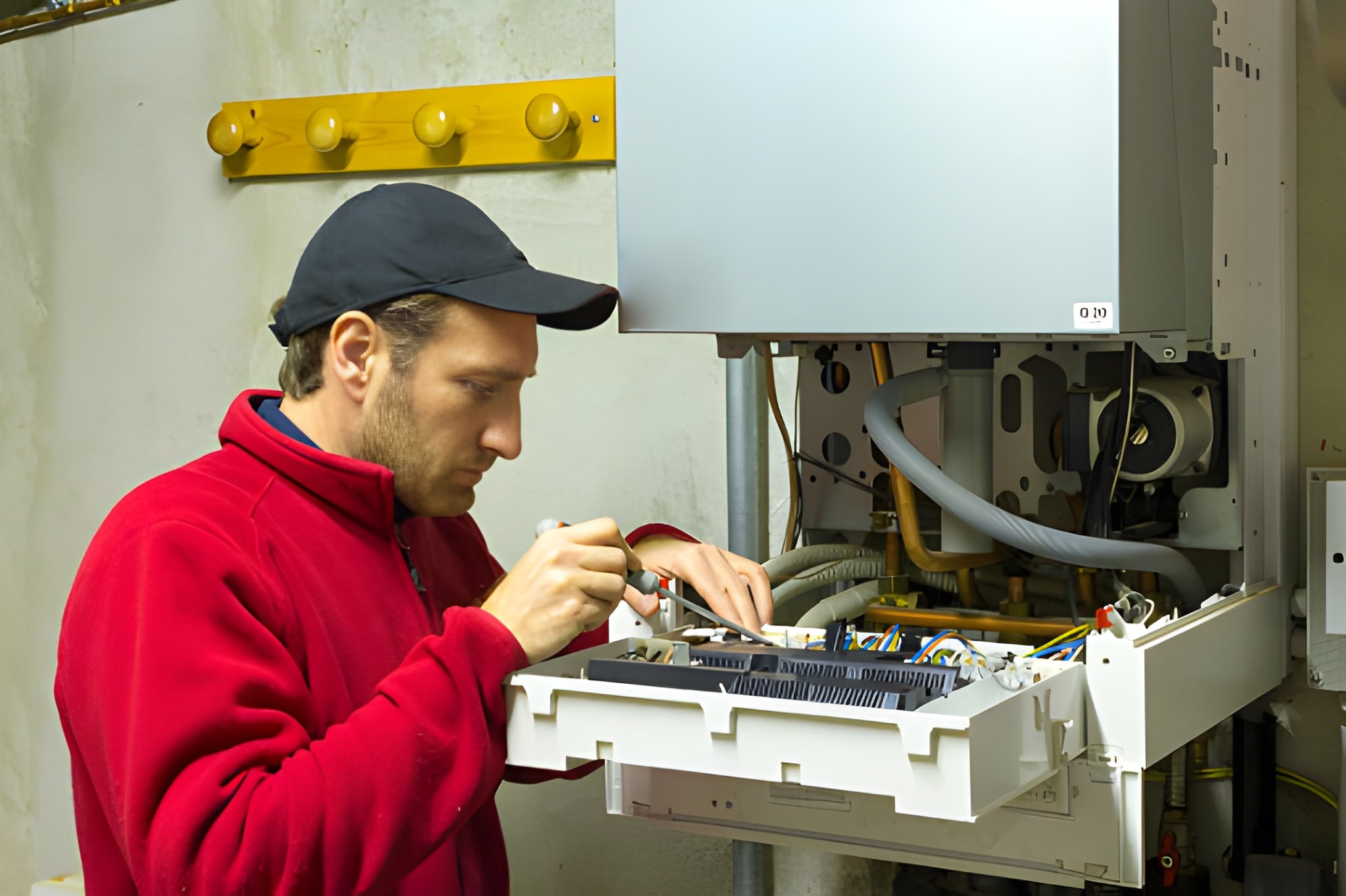
Common water heater needs in Agoura Hills, CA
- Replacement of aged or leaking storage tanks after corrosion or repeated repairs
- Converting to higher efficiency units to lower energy use and run-time losses
- Tankless installations for space savings and continuous hot water needs
- Relocation or reconfiguration for remodeled kitchens, bathrooms, or ADUs
- Upgrades for code compliance including seismic strapping and expansion tanks
- Commercial and multifamily installs with larger flow and redundancy needs
Site assessment and proper sizing
An accurate site assessment is the foundation of a successful installation. Technicians evaluate:
- Fuel availability and limitations - natural gas, propane, or electric service capacity
- Venting options and clearances for gas combustion or power-vented units
- Existing gas line or electrical panel capacity and potential upgrade needs
- Pipe layout, distance to fixtures, and insulation needs to optimize recovery and reduce wait times
- Household peak demand by counting fixtures and estimating concurrent flow in gallons per minute for tankless, or determining first hour rating for tank systems
- Local factors such as hard water that increases sediment accumulation and may change model recommendations or require water treatment
Tank versus tankless systems - comparison for Agoura Hills homes
Tank water heaters
- Pros: lower initial complexity for replacement, predictable first hour rating, simpler venting for some models
- Cons: standby heat loss, larger footprint, periodic sediment buildup and shorter average lifespan
Tankless water heaters
- Pros: on-demand hot water, smaller footprint, higher energy efficiency when sized correctly, longer service life in many installations
- Cons: higher upfront installation complexity if gas line, venting, or electrical upgrades are required; performance can be affected by high simultaneous demand without proper sizing
Choosing between systems depends on household size, peak simultaneous usage, space constraints, and long-term efficiency goals.
Energy efficiency and operating costs
Energy efficiency depends on model selection, installation quality, and usage patterns. Key considerations include:
- Energy factor and uniform energy factor ratings for storage units and thermal efficiency for tankless models
- Insulation and minimizing heat loss in long runs of hot water piping
- High-efficiency condensing tankless units for natural gas setups that recover more heat from exhaust gases
- Recirculation systems and demand-based pumps to reduce wait time and water waste, especially for larger Agoura Hills homes
California energy codes and efficiency standards influence available models and required features. Properly matched equipment reduces operating costs and supports sustainable use in the local climate.
Permits, codes, and safety requirements
Installations must meet Los Angeles County and state codes. Typical requirements include:
- Building permits and inspections for new installations and major conversions
- Seismic strapping and restraints on water heaters in seismically active areas
- Proper venting and combustion air provisions for gas appliances to prevent carbon monoxide risks
- Temperature and pressure relief valve installation and correct discharge routing
- Expansion tank where backflow prevention or closed plumbing systems exist
- Electrical permits for high-demand electric or hybrid systems and appropriately sized breakers and wiring
Handling permits and inspections is an essential part of installation to avoid rework and ensure homeowner and occupant safety.
Removal and disposal of old units
Safe removal includes isolation of gas and power, draining and neutralizing tanks, and environmentally responsible disposal or recycling of components. Old tanks often contain residues that require proper handling. Responsible disposal also complies with local waste management and recycling regulations.
Professional installation steps
A typical professional installation flow:
- Detailed site assessment and equipment selection based on demand calculations
- Permit submission and scheduling of required inspections
- Preparation of area, securing necessary upgrades to gas, venting, or electrical service
- Removal of existing unit and safe handling of waste materials
- Installation of new unit with proper anchoring, venting, and connections, plus required seismic restraints and expansion controls
- Commissioning, including leak checks, combustion analysis for gas units, electrical testing, and temperature testing
- Final inspection coordination and homeowner orientation on operation and maintenance
- Completion of warranty documentation and installation records
Estimated timelines
- Site assessment and quote: typically 30 to 60 minutes on site
- Standard tank replacement: often completed within 2 to 6 hours depending on access and piping complexity
- Tankless or conversion installs: commonly require 6 to 12 hours, and may extend to multiple days when significant gas, venting, or electrical upgrades are needed
- Inspections and permit approvals may add scheduling time beyond physical installation
Warranties and financing options
Manufacturer warranties vary by type and model. Storage tanks commonly offer limited parts warranties that vary by model age and materials, while tankless units frequently carry longer heat exchanger warranties. Labor warranties for installation are separate and depend on the installer. Homeowners commonly have access to third-party financing programs through lenders and equipment manufacturers. Discussing warranty terms and financing structure before purchase helps align expectations for long-term protection and cash flow.
Selecting the right model for your Agoura Hills home or business
Factors to weigh:
- Household size and peak simultaneous uses such as multiple showers and laundry cycles
- Available fuel type and capacity constraints for gas or electrical systems
- Space limitations and whether tankless or compact units provide better value
- Water quality and hardness, which may require softening or more frequent maintenance for some models
- Long-term efficiency goals and local climate considerations that affect temperature rise requirements
Camarillo Plumbing leverages local knowledge of Agoura Hills installations to recommend systems matched to your property layout, usage patterns, and code obligations.
Maintenance tips to extend service life
- Flush storage tanks annually or follow manufacturer guidance to reduce sediment buildup
- Inspect and test the temperature and pressure relief valve periodically
- Replace sacrificial anode rods on tanks when corrosion becomes significant
- Keep vents clear and maintain proper combustion air for gas units
- Consider adding a water softener or point-of-use filters where hard water accelerates wear
Q: How do I know if I need a new water heater or just a repair?A: Frequent leaks, rust on the tank, persistent loss of hot water, loud rumbling noises from sediment buildup, or age beyond typical service life are signs replacement is preferable. A qualified technician can assess whether repair will be reliable or if a full replacement provides better long-term value.
Q: Is a tankless water heater a good fit for Agoura Hills homes?A: Tankless systems work well where space is limited and owners want continuous hot water with higher efficiency. Proper sizing for concurrent demand and ensuring adequate gas or electrical service are critical, especially in larger households.
Q: Will I need permits for a water heater installation in Agoura Hills?A: Yes. Most installations, conversions, and replacements require permits and inspections to ensure compliance with Los Angeles County and state codes, including seismic anchoring and venting requirements.
Q: How long does a typical installation take?A: A straightforward tank swap can be completed in a few hours. Tankless or conversion projects commonly take longer and may require additional days if significant upgrades to gas lines, venting, or electrical service are needed.
Q: What maintenance helps prolong a water heater's lifespan?A: Regular flushing to remove sediment, annual valve checks, replacing anode rods as needed, and addressing hard water with treatment all extend service life and maintain efficiency.
hear what our satisfied clients have to say