
Tankless Water Heater in Newbury Park, CA
.avif)

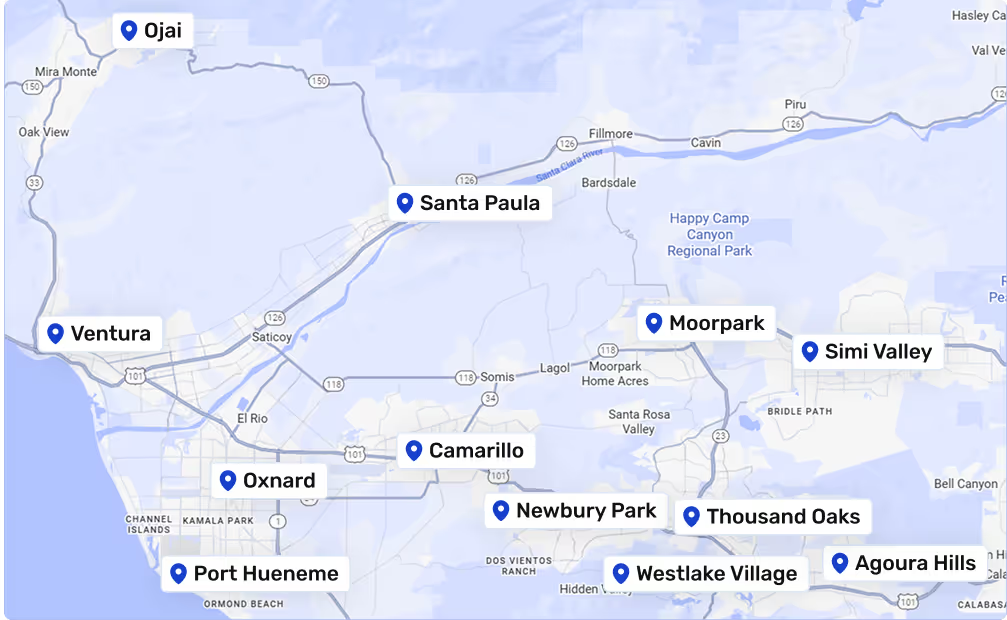
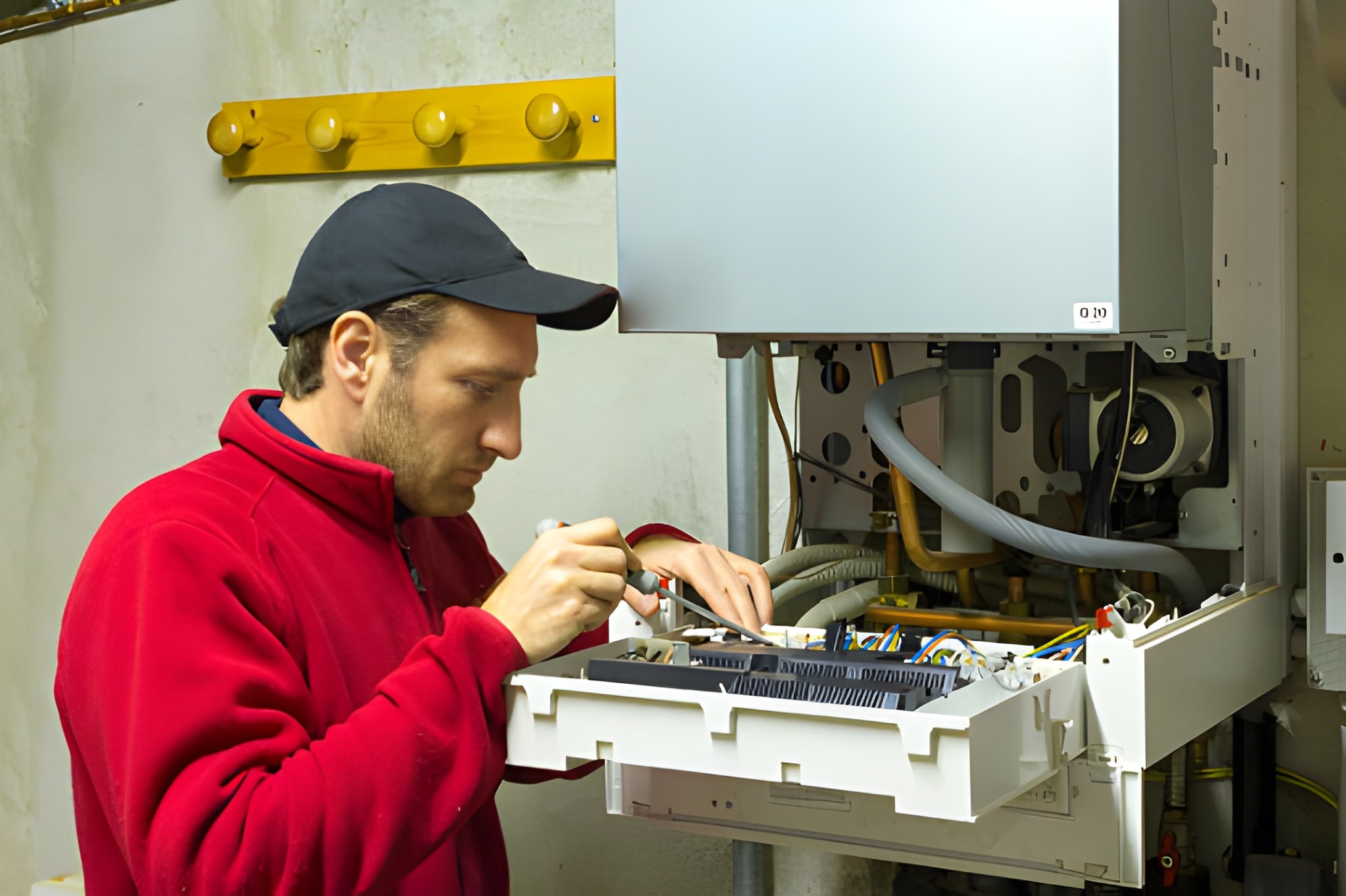
Choosing a tankless water heater for your Newbury Park home is a decision that affects comfort, energy use, and long-term maintenance. Tankless systems provide on-demand hot water with a smaller footprint and higher efficiency than traditional tank heaters. For homeowners in Newbury Park and the surrounding Ventura County neighborhoods, tankless units can deliver dependable performance while addressing local concerns like warm climate comfort, water conservation, and compatibility with home solar systems. Camarillo Plumbing has experience installing and servicing these systems for area homes and can explain how tankless options match local needs.
Why homeowners in Newbury Park choose tankless
- Energy efficiency: Tankless heaters heat water only when you need it, which reduces standby heat loss common to tank systems.
- Endless hot water: Properly sized units supply continuous hot water for showers, laundry, and dishwashers without running out.
- Longer lifespan and space savings: Tankless units typically last longer and take up far less room, useful in cramped garages or utility closets common in Newbury Park homes.
- Reduced water waste potential: When combined with a hot water recirculation loop or demand pump, tankless systems can cut wait times and water waste.
- Solar friendly: Many tankless systems integrate well with home energy setups common in Southern California.
Common tankless vs traditional tank differences
- Operation: Tankless provides instant heating on demand; tanks store and maintain hot water continuously.
- Efficiency: Tankless can be significantly more efficient in households with moderate to high intermittent hot water use.
- Performance: Tanks can supply multiple fixtures simultaneously without flow-rate limits; tankless output depends on model flow rate and temperature rise.
- Installation complexity: Tankless installs may require upgraded gas lines, electrical service, or new venting, especially in retrofit situations.
- Water quality: Hard water in Ventura County increases scaling risk; tankless units perform best with adequate water treatment or regular descaling.
How to size a tankless unit for your household in Newbury Park
Sizing focuses on two numbers: the required flow rate in gallons per minute (GPM) and the temperature rise needed.
- List simultaneous hot water uses (example: one shower 2.5 GPM, dishwasher 1.0 GPM, washing machine 1.5 GPM).
- Add the GPM for fixtures likely to run at the same time to find peak demand.
- Determine incoming ground water temperature for the season. In Newbury Park, winter incoming water is typically cooler than summer; use a conservative estimate based on local conditions.
- Subtract incoming water temperature from desired delivery temperature (usually 120 F) to find required temperature rise.
- Match the GPM at that temperature rise to manufacturer performance charts to select a model.
A professional assessment is recommended because older homes may need gas line upgrades, new venting, or electrical work to support the selected unit.
Recommended brands and model types
Reliable brands commonly installed in California include:
- Navien and Rinnai: high-efficiency condensing gas units suited for whole-home applications.
- Noritz and Bosch: strong mid- to high-efficiency gas options with good serviceability.
- Stiebel Eltron and Rheem: electric tankless units for homes without natural gas or for point-of-use needs.
Choose condensing models for maximum efficiency when fuel type and venting allow. For homes with hard water, look for models with accessible heat exchangers and straightforward descaling procedures.
Professional installation and replacement process and timeline
A typical professional installation includes:
- Onsite evaluation: Confirm fuel type, venting paths, gas and electrical capacity, and water quality.
- Permit and planning: Obtain required permits and determine venting and pressure requirements.
- Removal and retrofit or new install: Remove old equipment if present and install tankless unit, including venting, gas piping, and electrical connections.
- Start up and testing: Commission the unit, verify flow rates, check combustion or electrical parameters, and demonstrate operation.
- Final inspection: Coordinate municipal inspection if required.
Timeline: Like-for-like replacements often complete in a single day. Conversions (electric to gas or new venting) and complex retrofits can add days depending on permitting and structural adjustments. Camarillo Plumbing’s technicians handle local permitting and code compliance for Newbury Park projects.
Typical costs and financing or rebate options
Costs vary based on unit type, capacity, venting complexity, and any home upgrades needed. Key cost drivers include:
- Condensing vs non-condensing unit
- Gas line and vent modifications
- Electrical upgrades for electric models
- Water treatment or softening to protect the unit
Financing options often include home improvement loans, manufacturer financing plans, and energy-efficiency loan products available through third-party lenders. Rebate programs may be available from state or utility energy efficiency initiatives and from manufacturers for qualifying models. Tax incentives occasionally apply for energy-efficient upgrades; homeowners should confirm eligibility with their tax advisor and local utility.
Routine maintenance and common repairs
Proper maintenance extends performance and warranty coverage:
- Annual or semi-annual flush to remove scale for homes with hard water.
- Clean or replace inlet screen filters and check pressure relief valves.
- Inspect venting, gas connections, and condensate drains for blockages or leaks.
- Address error codes promptly; common issues include ignition failure, scale buildup, and low flow problems.
- Consider a whole-home water softener or scale reduction device if local water hardness is high.
Documented professional maintenance helps preserve manufacturer warranty and detects small issues before they become major repairs.
Warranty and expected lifespan
Tankless systems generally last longer than tank heaters when maintained properly, with many lasting 15 to 25 years. Manufacturer warranties vary by model and component, often providing separate coverage for the heat exchanger and parts. Registering the unit and following recommended maintenance schedules ensures warranty validity.
Is tankless right for your Newbury Park home?
Tankless systems are a strong match if you value space savings, long-term efficiency, and on-demand hot water. They are especially attractive in Newbury Park where many homes benefit from solar integration and where homeowners prioritize energy efficiency. Key considerations include household peak hot water demand, water hardness, budget for potential retrofit work, and whether a whole-home or point-of-use strategy makes sense.
Camarillo Plumbing provides local expertise for evaluating needs, sizing equipment, handling permits, and maintaining tankless systems in Newbury Park and the surrounding Ventura County communities.
Q: How long does a tankless water heater last?A: With proper maintenance, tankless units typically last 15 to 25 years, longer than most tank systems.
Q: Can a tankless unit supply hot water to a large household?A: Yes, when sized correctly for peak simultaneous demand. Multiple units or a higher-capacity model may be necessary for high-demand homes.
Q: Are tankless water heaters affected by hard water in Newbury Park?A: Hard water accelerates scale buildup. Regular descaling or adding a water softener or scale prevention device protects the unit and maintains efficiency.
Q: Is gas or electric tankless better for my home?A: Gas condensing units are often best for whole-home use due to higher flow capacity. Electric units can work well for point-of-use or smaller homes and where gas is not available.
Q: How often does a tankless unit need maintenance?A: Annual professional maintenance is common; homes with harder water may need descaling every 6 to 12 months.
Q: Can a tankless water heater be installed where a tank currently sits?A: Often yes, but retrofits may require changes to venting, gas lines, or electrical service, which influences installation complexity and timeline.
Q: Are there rebates or incentives for installing a tankless water heater in Newbury Park?A: Incentives vary by utility and program. Energy-efficiency rebates, manufacturer offers, and tax incentives may be available; verify current eligibility before installation.
Q: How long does installation take?A: Like-for-like replacements can commonly be completed in a day. Complex retrofits or fuel conversions may require additional time for permitting and modifications.
hear what our satisfied clients have to say