


Water Softener in Port Hueneme, CA
.avif)

Hard water is a common problem in Port Hueneme, CA, and treating it with the right water softener improves appliance life, reduces scale buildup, and delivers better soap and detergent performance for both homes and businesses. Whether you manage a single-family home, a beachfront rental, or a commercial laundry, an appropriately sized water softener protects plumbing, improves energy efficiency, and keeps fixtures and glassware clearer in the coastal Ventura County environment.
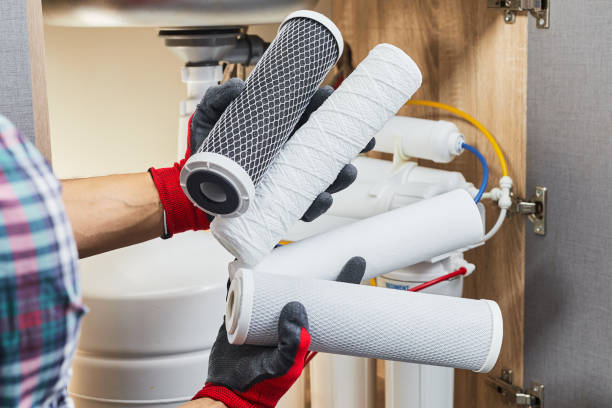
Why Port Hueneme homes and businesses need water softening
- Coastal groundwater and municipal supplies in the Oxnard–Port Hueneme area often contain elevated calcium and magnesium that cause limescale.
- Salt spray and humidity near the harbor can accelerate corrosion when mineral deposits combine with metal surfaces.
- Hard water reduces the effectiveness of soaps and detergents, increasing cleaning time and product use for restaurants, hotels, laundries, and households.
- Preventing scale buildup on water heaters, boilers, and irrigation systems saves energy and extends equipment life.
Common water softener problems in Port Hueneme
- Visible scale on faucets, showerheads, and inside kettles or coffee makers
- Dry skin and dull hair from soap scum residue
- Shortened lifespan and efficiency loss in water heaters and dishwashers
- Reduced flow or clogging from mineral accumulation in pipes
- Increased detergent and soap consumption for businesses and households
Types of systems we offer
- Salt-based ion-exchange softeners: The industry standard for reliably reducing hardness. These systems exchange calcium and magnesium for sodium or potassium and provide measurable drop in hardness. Best for high-hardness water and applications that need true soft water.
- Salt-free conditioners: Conditioners reduce scale by crystalizing hardness minerals so they do not adhere to surfaces. Useful where salt use is a concern or for specific irrigation and commercial situations. Not a replacement for salt-based softeners when zero-grain softness is required.
- Dual-tank and high-flow commercial systems: For laundromats, multi-unit buildings, restaurants, and other high-demand sites that require continuous soft water during regeneration cycles.
- Hybrid systems and media filters: For wells or supplies with iron, manganese, or tannins, combining softening with media filtration can address multiple water quality issues in one footprint.
How we size and select the right unit
Sizing and selection are based on measured water conditions and actual usage, not guesswork. Key factors:
- Hardness level: Measured in grains per gallon (gpg) or ppm. A field hardness test determines the required grain removal capacity.
- Household or business water use: Estimate gallons per person per day (commonly ~80 gallons per person for residential) or measure commercial peak flow and daily consumption.
- Desired regeneration frequency: Most homeowners prefer weekly regenerations; commercial sites often choose larger capacity or demand-initiated systems to avoid downtime.
- Peak flow rate and plumbing layout: Ensures the softener can meet simultaneous demand without dropping pressure.
A typical sizing calculation multiplies daily gallons by hardness (gpg) to find daily grain removal needs, then selects a resin capacity that allows efficient regeneration intervals. For commercial installs, flow rates and continuous service needs determine tank size and whether twin-tank systems are required.
Installation process and site requirements
- Pre-install assessment: On-site water test, measurement of plumbing layout, and evaluation of space, drain access, and electrical availability.
- Location: Softener is usually installed near the main water line where there is a floor drain or drain access, an electrical outlet for controls, and room for a brine tank and bypass valve.
- Drain and overflow: A dedicated drain or standpipe is necessary for regeneration discharge; safe overflow routing must meet local code.
- Bypass and shutoffs: Installed so water service can continue during maintenance or repairs.
- Permits and code: Commercial installations may require permits and backflow prevention; the pre-install assessment addresses local Port Hueneme and Ventura County requirements.
- Timeline: Most residential installs are completed in a day; commercial setups are scheduled to minimize downtime.
Routine maintenance and care
- Salt refill schedule: Depends on household use and hardness. Check salt level monthly; most families top off brine tanks every 4–8 weeks. Use high-purity salt recommended for softeners to reduce bridging and mushing.
- Resin care: Resin beds last many years but can foul from iron or organics; periodic cleaning or a resin conditioner may be recommended if iron is present.
- Annual inspection: Control valve, seals, and settings reviewed yearly; brine tank cleaned as needed every 1–3 years.
- Troubleshooting common issues: Salt bridging (hard crust), salt mushing (sludge in tank), no regeneration, or low water pressure are typical service calls and are correctable with targeted maintenance.
Common repairs and troubleshooting
- No regeneration or mis-timed cycles: Often a control valve issue or programming error.
- Salt bridging or mushing: Remove crust or clean brine tank and check salt quality.
- Resin contamination: Requires resin cleaning or replacement if iron or organic fouling is severe.
- Leaks or bypass failures: Replace seals and valves; verify plumbing connections and drain routing.
- Reduced softness: Check for exhausted resin capacity, incorrect hardness setting, or a bypass left open.
Water testing services
Accurate diagnosis begins with testing:
- On-site hardness test, iron and manganese, pH, total dissolved solids (TDS), and chlorine.
- Well water testing may include bacteria and nitrate screening.
- Test results are explained in plain language with recommended system types, sizing, and any pre-treatment needed (iron filters, sediment filters, or chlorination).
Warranty and financing options
- Warranties typically cover parts and control valves for a fixed period, with limited warranties on resin tanks. Extended parts coverage and labor terms vary by manufacturer and model.
- Financing options for residential and commercial installations are commonly available through third-party lenders and payment plans that spread installation costs over time. Warranty details and available financing options are reviewed during the consultation so selection balances budget and long-term value.
How scheduling and service visits typically work
- Initial step: Arrange an on-site water test and consultation to determine hardness and system requirements.
- Proposal: Receive a written recommendation with system options, estimated timeline, and maintenance requirements.
- Installation appointment: A licensed plumber performs the install, tests output water, and walks through operation and maintenance basics.
- Follow-up service: Annual maintenance and on-call troubleshooting ensure continuous performance.
FAQsQ: How do I know if I need a water softener?A: Signs include scale on fixtures, frequent appliance issues, dry skin after showering, or higher soap/detergent use. A hardness test confirms the need.
Q: Will a water softener increase my sodium intake?A: Salt-based softeners exchange hardness minerals for sodium or potassium. The sodium added is small; people on strict low-sodium diets can choose potassium chloride or salt-free options and consult a physician.
Q: How often do I add salt to the tank?A: Most households check salt monthly and top off every 4–8 weeks, depending on usage and tank size.
Q: Can softeners remove iron and manganese?A: Small amounts of iron can be handled by many softeners, but higher concentrations require an iron removal filter before the softener.
Q: Do salt-free systems prevent scale entirely?A: Salt-free conditioners reduce scale buildup by changing the mineral form but do not produce the zero-grain softness of ion-exchange systems.
Q: How long does a water softener last?A: With proper maintenance, control valves and tanks can last 10–20 years; resin typically lasts 10–15 years depending on water quality.
Camarillo Plumbing provides residential and commercial water softener assessments, installs appropriate systems for Port Hueneme water conditions, performs routine maintenance and repairs, and offers professional water testing to help you choose the right long-term solution for your property.
hear what our satisfied clients have to say