

Reverse Osmosis in Port Hueneme, CA
.avif)

High-quality drinking water matters in Port Hueneme, CA. Reverse osmosis (RO) systems provide reliable, multi-stage filtration that removes dissolved solids, contaminants, and tastes or odors so your household has clean, great-tasting water straight from the tap. Camarillo Plumbing installs and services RO systems designed for local conditions, helping homeowners reduce bottled water use, protect kitchen appliances, and enjoy safer drinking water.
How RO systems work and what they remove
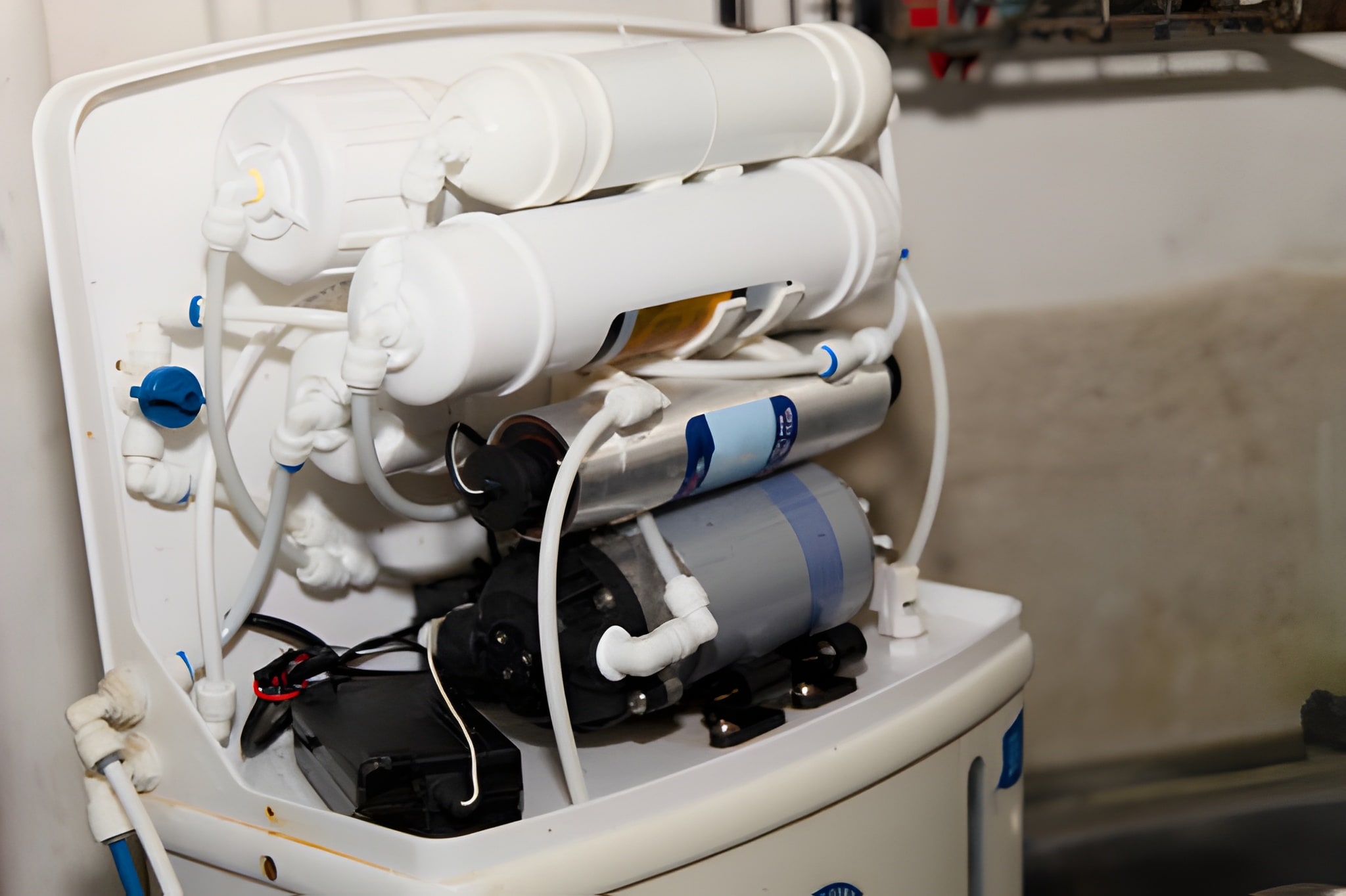
Reverse osmosis units use pressure to force water through a semi-permeable membrane after passing through pre-filters. A typical multi-stage RO system includes:
- Sediment pre-filter to capture sand, rust, and silt
- Activated carbon filter to reduce chlorine, tastes, and odors
- RO membrane that rejects dissolved solids, heavy metals, nitrates, and many chemical contaminants
- Post-carbon polishing filter for final taste improvement
- Optional add-ons: UV sterilization, remineralization cartridges, or booster pumps
RO systems reduce total dissolved solids (TDS) and contaminants that affect taste, smell, and safety. In coastal communities like Port Hueneme, benefits include lower chloride and salt-related tastes, reduced scale on coffee makers and kettles, and protection for ice makers and refrigerators.
Common RO system types for Port Hueneme homes
- Under-sink RO systems: Compact, cost-effective for drinking and cooking water at a single point of use
- Countertop RO units: Portable option when under-sink installation is not possible
- Whole-house systems with RO pretreatment and point-of-use polishing: For homes needing very low TDS throughout the plumbing; usually combined with whole-home filtration or water softening
- Hybrid systems: RO for drinking water plus whole-home filtration for sediment, chlorine, and scale control
Choosing between under-sink and whole-home RO depends on household size, water quality goals, and local water chemistry. Camarillo Plumbing evaluates needs and recommends the right configuration for Port Hueneme homes.
Professional installation process
A professional installation ensures correct performance and longevity. Typical steps include:
- Site assessment of water quality, pressure, and available space
- Pre-install inspection for existing plumbing, drain location, and hot water proximity
- Installation of feed water valve, drain saddle, and dedicated faucet for point-of-use systems
- Mounting and connecting the RO unit, filters, membrane, and storage tank
- Pressure and leak testing, followed by system sanitation and initial flushing
- Final water quality testing, including TDS measurement and user orientation
Proper installation addresses local factors like municipal supply characteristics and any coastal salt influence. Low incoming pressure is common in some areas and can be resolved with a booster pump or pressure-boosting strategies.
Sizing and system selection
Key factors for sizing an RO system:
- Daily water demand: number of people, drinking and cooking habits, and small appliance usage
- Gallons per day (GPD) rating of the RO unit and storage tank capacity
- Incoming water pressure and temperature
- Desired water quality and TDS reduction targets
Under-sink RO units typically serve a single kitchen faucet, while whole-home approaches address broader needs but require more complex configurations. Camarillo Plumbing recommends systems based on household size and test results to ensure adequate flow and storage.
Maintenance schedules and typical tasks
Regular maintenance keeps RO systems performing at peak efficiency:
- Sediment and carbon pre-filters: replace every 6 to 12 months depending on feed water and usage
- RO membrane: replace every 2 to 3 years; sooner if feed water is high in TDS or chlorine
- Post-filters: replace annually
- Storage tank and fittings: inspect annually for proper pressure and integrity
- System sanitation and tubing inspection: annually or when filters are changed
- Periodic water testing: TDS and contaminant checks to verify membrane performance
Following scheduled maintenance preserves water quality, maintains flow rates, and extends membrane life.
Troubleshooting common issues
- Slow production or low flow: often caused by clogged pre-filters, low feed pressure, a failing storage tank bladder, or a saturated membrane. Check pre-filters and incoming pressure first.
- Poor taste or odor: usually a depleted carbon filter or compromised membrane. Replace filters and perform a sanitary flush.
- High TDS after installation or replacement: possible membrane defect, incorrect installation, or a bypassed flow path. Re-test and inspect system plumbing.
- Leaks: loose fittings, cracked tubing, or an improperly seated drain saddle. Tighten connections and replace damaged components.
- Frequent filter changes: indicates high sediment or poor source water quality. Consider pre-treatment or a higher-capacity pre-filter.
Detailed diagnostics often require TDS measurement and pressure checks. Professional evaluation ensures the right repairs and adjustments.
Costs, warranties, and what to expect
System cost depends on capacity, features, and installation complexity. Factors that affect overall cost include under-sink versus whole-home design, booster pumps, remineralization or UV options, and any plumbing modifications needed. Warranties vary by manufacturer and component:
- Manufacturer warranties commonly cover membranes and parts from 1 to 3 years
- Some systems carry longer warranties on housings or premium membranes
- Professional installation typically includes workmanship assurances or limited service warranties
Ask for documentation of manufacturer warranties and any installer-provided guarantees when selecting a system.
Why choose RO for Port Hueneme, CA homes
Reverse osmosis delivers reliable, high-quality drinking water that improves taste, reduces reliance on bottled water, and helps protect small appliances from scale and sediment buildup. Given coastal influences and regional water variability in the Port Hueneme area, RO systems provide targeted contaminant reduction and consistent results. Properly sized and professionally installed RO systems offer long-term savings in appliance maintenance and household convenience.
Frequently asked questions
Q: How often should I test my RO water output for TDS?A: Test at installation and after each filter or membrane change. Periodic checks every 6 to 12 months help detect membrane decline or feed water changes.
Q: Can RO remove chlorine and fluoride?A: Carbon pre-filters reduce chlorine and improve taste and odor. The RO membrane reduces fluoride levels significantly; complete removal depends on membrane type and system configuration.
Q: Will an RO system waste a lot of water?A: Standard RO systems produce wastewater during membrane flushing. High-efficiency membranes and permeate pumps reduce wastewater. System selection and correct sizing minimize waste while meeting household needs.
Q: Do I need a booster pump in Port Hueneme?A: A booster pump is recommended if incoming water pressure is below a system's minimum required pressure. A local plumbing assessment determines whether a pump will improve production rates.
Q: Can I add minerals back into RO water?A: Yes. Remineralization cartridges add calcium and magnesium back into the purified water to improve taste and slightly raise pH if desired.
Q: Should I choose under-sink or whole-home RO?A: Under-sink RO is ideal for drinking and cooking. Whole-home RO is for specific needs requiring low TDS throughout the plumbing. A water test and usage review guide the best choice.
hear what our satisfied clients have to say