


Water Filtration Systems in Fillmore, CA
.avif)

Clean, safe water matters in Fillmore homes. Whether your water comes from the municipal supply or a private well, local conditions—dry summers that concentrate minerals, agricultural runoff in some valleys, and occasional wildfire ash—can affect taste, odor, and water quality. Camarillo Plumbing installs and services whole-home and point-of-use water filtration systems in Fillmore, CA to remove chlorine, sediment, bacteria, iron, and other contaminants, protect appliances, and deliver better-tasting water throughout your home.
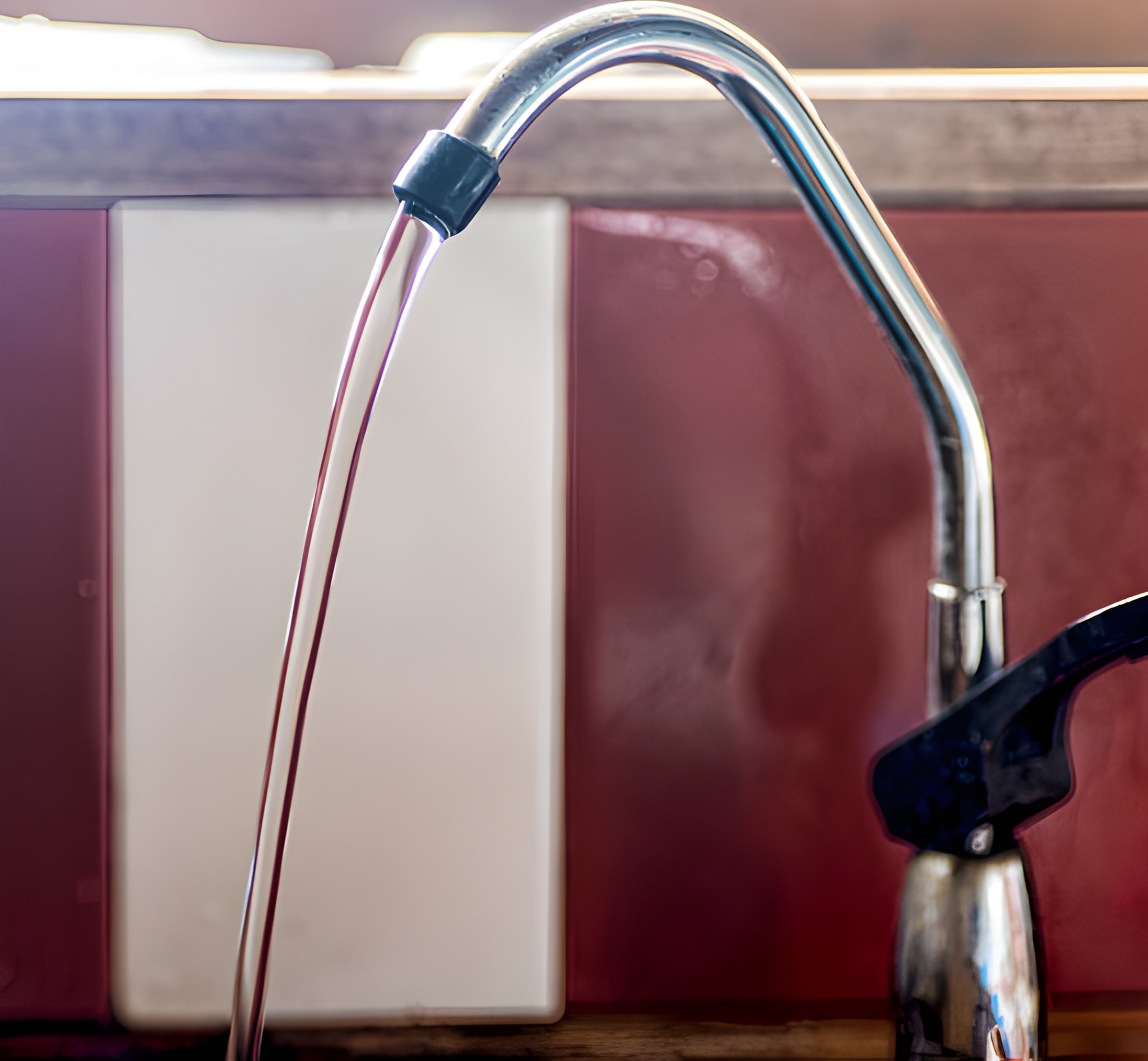
Why water filtration matters in Fillmore, CA
- Improved taste and odor: Municipal chlorine or chloramine treatment and seasonal organic matter can leave noticeable tastes and smells in tap water.
- Protects plumbing and appliances: Sediment, iron, and particulate reduce appliance life and clog fixtures and fixtures in irrigation systems.
- Health and safety: Point-of-use filtration and UV disinfection address bacteria and protozoa concerns, especially for wells.
- Convenience and cost savings: Filtered water reduces reliance on bottled water and prevents scale buildup when paired with appropriate softening or media.
Common water quality issues in Fillmore homes
- Chlorine or chloramine taste and smell from municipal treatment
- Sediment and sand in older pipes or well systems
- Iron and manganese staining on fixtures and laundry (more frequent in well-supplied properties)
- Hardness and mineral scaling (often addressed alongside filtration)
- Occasional bacterial or coliform contamination in private wells or compromised systems
- Nitrates and agricultural runoff concerns near farmland
Types of systems and how they compare
- Whole-home filters (point-of-entry)
- Installed where water enters the house to protect every fixture and appliance.
- Typical media: sediment, activated carbon, catalytic carbon for chloramines, iron-removal media.
- Best for: removing chlorine, sediment, and protecting water-using equipment.
- Reverse osmosis (point-of-use)
- Under-sink or countertop units that produce high-purity drinking and cooking water.
- Excellent at reducing dissolved solids, heavy metals, and many chemical contaminants.
- Best for: drinking water, ice makers, and kitchen use.
- Ultraviolet (UV) disinfection
- Kills bacteria and viruses without chemicals; used alone or after a particulate filter.
- Best for: private wells or systems with biological contamination concerns.
- Point-of-use carbon filters
- Simple cartridge or faucet-mounted filters for taste, chlorine, and VOCs.
- Best for: targeted improvement at kitchen sinks or refrigerators.
- Specialized media systems
- Iron or manganese filters, catalytic carbon for chloramines, or nitrate-specific systems for well water.
- Best for addressing a single, significant contaminant found on testing.
Water testing and system sizing
Proper selection starts with testing. Typical steps Camarillo Plumbing follows:
- Review municipal Consumer Confidence Report if municipal service is used.
- Conduct in-home tests for: TDS (total dissolved solids), hardness, pH, chlorine/chloramines, iron, manganese, nitrates, coliform bacteria, and turbidity.
- Measure household peak flow (gallons per minute) to size whole-home systems so filtration does not restrict water pressure.
- Map hot and cold supply lines to determine ideal point-of-entry placement and any point-of-use needs.Accurate testing eliminates guesswork and ensures you get the right combination of sediment pre-filtration, carbon treatment, RO membrane capacity, or UV sizing.
Professional installation process
- On-site assessment: technicians evaluate existing plumbing, space for equipment, and test results to recommend system type and configuration.
- Pre-install preparation: shutoff and isolation of the incoming line, installation of a bypass for uninterrupted service during work.
- Mechanical installation: mount housings, media tanks, and RO components; connect feed line, drain, and dedicated faucet if needed.
- Start-up and verification: flush new cartridges or media, validate flow rates, and rerun water quality tests to ensure performance.
- Documentation: equipment specifications, filter schedules, and warranty information provided for homeowner records.
Routine maintenance and expected lifespans
- Sediment and carbon pre-filters: typically replaced every 3 to 12 months depending on water quality and usage.
- Reverse osmosis membranes: generally last 2 to 5 years; pre-filter condition affects lifespan.
- UV lamps: typically require annual replacement and sleeve cleaning.
- Media tanks and whole-home housings: media life varies (3 to 10 years); housings and valves often last a decade or more with proper care.
- Common sign you need service: reduced water pressure, unpleasant taste or odor, visible discoloration, or staining on fixtures.Warranty coverage and component lifespans vary by manufacturer. Camarillo Plumbing documents warranties at installation so homeowners know replacement expectations.
Cost considerations and potential rebates
- System costs depend on type, capacity, and required specialty media. Whole-home systems and RO installations each have distinct cost profiles.
- Ongoing costs include filter cartridges, membrane replacements, UV lamps, and occasional service checks.
- Homeowners in California may qualify for local or state rebates, utility incentives, or tax credits for certain water-efficiency or health-related upgrades. Check available local programs and eligibility when planning a project.
Benefits of professional installation versus DIY
- Right-sized systems to avoid flow restrictions or under-filtering
- Properly placed bypass valves and isolation for easy maintenance
- Accurate start-up and performance validation with post-install testing
- Safe handling of UV and pressurized systems, and secure RO drain connections
- Faster diagnosis and reliable service if contaminants reappear
Maintenance tips for Fillmore homeowners
- Keep a service schedule: note filter replacement dates and set reminders for RO membrane and UV lamp changes.
- Monitor taste, odor, and pressure: small changes can signal a needed service.
- Protect equipment from freezing or direct sun if installed outdoors.
- Pair filtration with softening or scale control if water hardness is high to extend appliance life.
Frequently asked questions
Q: How do I know if I need a whole-home system or just an under-sink filter?A: If you want cleaner water at every fixture and protection for appliances and plumbing, a whole-home (point-of-entry) system is recommended. If your primary concern is drinking and cooking water, a point-of-use RO or carbon filter under the kitchen sink may be sufficient. Water testing and household flow needs determine the best option.
Q: Can a whole-home filter remove bacteria?A: Whole-home sediment and carbon filters reduce particulate and chemicals but typically do not reliably eliminate bacteria. For biological concerns, add a properly sized UV disinfection unit or use a certified point-of-use device in conjunction with pre-filtration.
Q: How often do filters need replacing?A: Pre-filter cartridges often require replacement every 3 to 12 months. RO membranes commonly last 2 to 5 years. UV lamps usually need annual replacement. Exact intervals depend on water quality and household usage.
Q: Will filtration remove hard water minerals?A: Filtration systems like carbon or RO reduce some dissolved solids, but they do not replace a water softener designed for hardness removal. RO systems do reduce hardness in the treated stream for drinking water but are not practical for whole-home hardness control; consider combining solutions when scale is a concern.
Q: Do you test the water before installing?A: Yes. Accurate testing of municipal or well-supplied water is an essential step to target the correct contaminants, size equipment, and create a long-lasting solution.
Q: Are there warranties on filtration systems?A: Warranties vary by manufacturer and component. Typical warranties cover housings and major components for several years, while consumables like filters and UV lamps are not usually covered. Warranty specifics are provided with each installation.
hear what our satisfied clients have to say