

Reverse Osmosis in Moorpark, CA
.avif)

Reverse osmosis (RO) systems are one of the most effective point-of-use solutions for homeowners in Moorpark, CA who want consistently clean, great tasting drinking water and a practical way to reduce bottled water use. RO uses a semipermeable membrane to separate dissolved solids and many common contaminants from your tap water. For Moorpark households concerned about mineral taste, chlorine or chloramine residue, or agricultural runoff affecting source water, an RO system delivers measurable improvement in taste, odor, and overall water quality.
How RO Works and what it removes
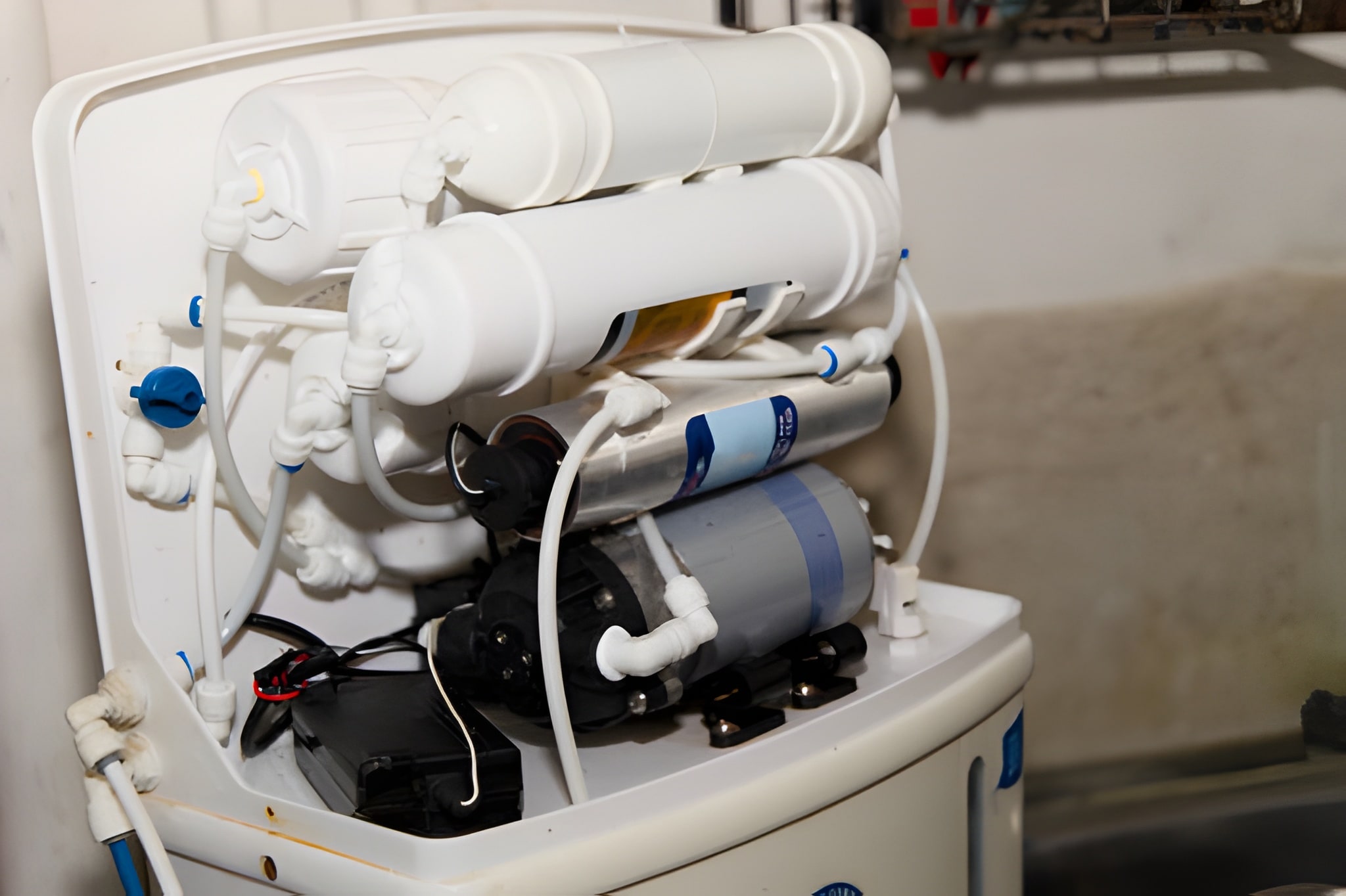
- Pre-filtration: sediment and activated carbon reduce particulates, chlorine, and organics that foul the membrane.
- RO membrane: high-pressure flow forces water through the membrane, rejecting dissolved salts, heavy metals (lead, arsenic in many cases), nitrates, fluoride, and many other dissolved contaminants.
- Post-filtration: polishing carbon or remineralization filters improve taste and restore balanced pH and minerals if desired.
- Storage and delivery: purified water is held in a pressurized tank and dispensed through a dedicated faucet.
Typical contaminant reduction includes 90 to 99 percent removal of many dissolved solids and contaminants when systems are properly sized and maintained. For Moorpark homes receiving municipal water with seasonal taste or odor shifts, RO provides reliable point-of-use purification for drinking, cooking, and ice.
System types and which is right for Moorpark homes
- Under-sink RO: The most common choice. Installs under a kitchen sink, connects to the cold water line, includes storage tank and faucet. Best for single-point drinking water needs.
- Countertop RO: Portable, minimal installation for renters or limited under-sink space. Lower capacity than under-sink units.
- Whole-house RO alternatives: Full-house RO systems exist but require high-pressure pumps, significant wastewater handling, and professional design. For many Moorpark homes, a combination of whole-house carbon filtration, water softening, and point-of-use RO at the kitchen provides the best balance of cost and performance.
Selection depends on household daily water use, incoming water quality (TDS, hardness, chlorine), space availability, and preference for remineralized water.
Site assessment and typical installation process
A professional site assessment ensures the correct system size and installation strategy:
- Baseline water testing - TDS, hardness, chlorine/chloramine, pH, and targeted contaminants if needed.
- Inspection of under-sink space, drain access, water pressure, and available faucet holes.
- Recommend system size (gallons per day rating) and necessary components like booster pumps for low pressure or permeate pumps to improve efficiency.
- Installation steps:
- Install pre-filters and RO membrane assembly.
- Tap the cold-water supply and install an automatic shutoff valve.
- Mount or place storage tank and connect the dedicated faucet.
- Install an air-gap drain connection or approved drain saddle.
- Sanitize system, flush membranes, and verify final TDS reduction and leak-free connections.
- On-site walkthrough covering maintenance, filter replacement intervals, and how to test water at home.
Install time for a standard under-sink RO typically ranges from two to four hours depending on site complexity and any needed plumbing adjustments.
Pre- and post-filtration components explained
- Sediment pre-filter: protects the membrane from grit and debris.
- Carbon pre-filter: removes chlorine and organics that can degrade RO membranes.
- RO membrane: the core purification element rated by gallons per day (GPD) and rejection rate.
- Post-carbon or remineralization filter: polishes water taste and can add back beneficial minerals to improve mouthfeel and pH.
- Optional components: booster pump for low pressure, permeate pump to reduce wastewater, UV sterilizer for well water or microbiological concerns.
Maintenance and filter change schedules
- Sediment and carbon pre-filters: replace every 6 to 12 months depending on water quality and usage.
- RO membrane: typical life 2 to 5 years; replacement frequency depends on feed water TDS and maintenance history.
- Post-filters and remineralization cartridges: replace annually or as manufacturer recommends.
- Storage tank: sanitize annually; check pressure if water delivery becomes sluggish.
- Performance testing: check output TDS quarterly the first year and at least annually thereafter to track membrane health.
Regular service prevents fouled membranes, maintains rejection rates, and keeps wastewater minimized.
Water quality testing and sizing guidance
Accurate testing guides the right system:
- Basic panel: TDS, hardness, chlorine/chloramine, pH.
- Expanded panel: nitrates, lead, arsenic, fluoride when local conditions suggest risk.
- Sizing: determine typical daily drinking and cooking volumes for your household and select an RO system with an appropriate GPD rating. Higher incoming TDS or family size generally requires higher capacity or dual-membrane setups.
Camarillo Plumbing recommends testing before selection and after installation to verify performance.
Warranties, certifications, and quality assurance
Look for systems and components certified to national standards:
- NSF/ANSI 58 covers reverse osmosis systems performance and materials.
- NSF/ANSI 42 and 53 cover carbon filters and specific contaminant reductions.
- Water Quality Association (WQA) or certified manufacturer warranties provide added assurance.
Camarillo Plumbing installs certified systems and honors manufacturer warranties in addition to offering installation guarantees and ongoing service plans tailored to local needs.
Common concerns and practical solutions
- Wastewater ratio: modern RO systems with permeate pumps or high efficiency membranes dramatically improve recovery rates and reduce waste water.
- Low water pressure: booster pumps are available to ensure proper membrane operation in homes with low incoming pressure.
- Taste and pH: remineralization cartridges restore natural mineral balance and improve flavor if desired.
- Microbiological risk in private wells: add UV disinfection ahead of or after the RO stage to address bacteria and viruses.
Financing and ongoing support
RO systems can be configured to match household needs and budgets. Financing programs and payment plans are commonly available through manufacturer or installer partners to spread the investment over time. Camarillo Plumbing provides ongoing support options including scheduled maintenance visits, filter replacement reminders, performance testing, and emergency service for system issues.
Long-term benefits for Moorpark homes
An appropriately sized and maintained RO system reduces exposure to many dissolved contaminants, improves taste and clarity, lowers reliance on bottled water, and provides a dependable source of purified water for drinking and cooking. Given Moorparks warm climate and regional water management factors, many homeowners find RO a practical, sustainable investment in household water quality.
FAQs
Q: What contaminants will an RO system remove from Moorpark water?
A: RO systems commonly reduce dissolved solids, heavy metals, fluoride, nitrates, and many chemical contaminants. Combined pre- and post-filtration improves removal of chlorine, organics, and taste- and odor-causing compounds.
Q: How often do RO filters and membranes need to be changed?
A: Sediment and carbon pre-filters are generally changed every 6 to 12 months. RO membranes usually last 2 to 5 years depending on feed water quality. Post-filters and remineralization cartridges are often replaced annually.
Q: Is whole-house reverse osmosis practical for a typical Moorpark home?
A: Whole-house RO is possible but expensive and complex. Many homeowners opt for whole-house carbon or softening for shower and appliance protection and RO at the kitchen for drinking water.
Q: Will RO produce acidic water or strip beneficial minerals?
A: RO water can be slightly lower in mineral content and pH. A remineralization post-filter restores beneficial minerals and improves taste and pH balance.
Q: How long does installation take?
A: A standard under-sink RO installation usually takes 2 to 4 hours, depending on site conditions and whether additional plumbing or pump installation is required.
Q: Are there certifications I should look for?
A: Look for NSF/ANSI 58 certification for RO systems and NSF/ANSI 42 and 53 for carbon filters, plus reputable manufacturer warranties and installer guarantees.
hear what our satisfied clients have to say