

Trenchless Sewer Replacement in Thousand Oaks, CA
.avif)

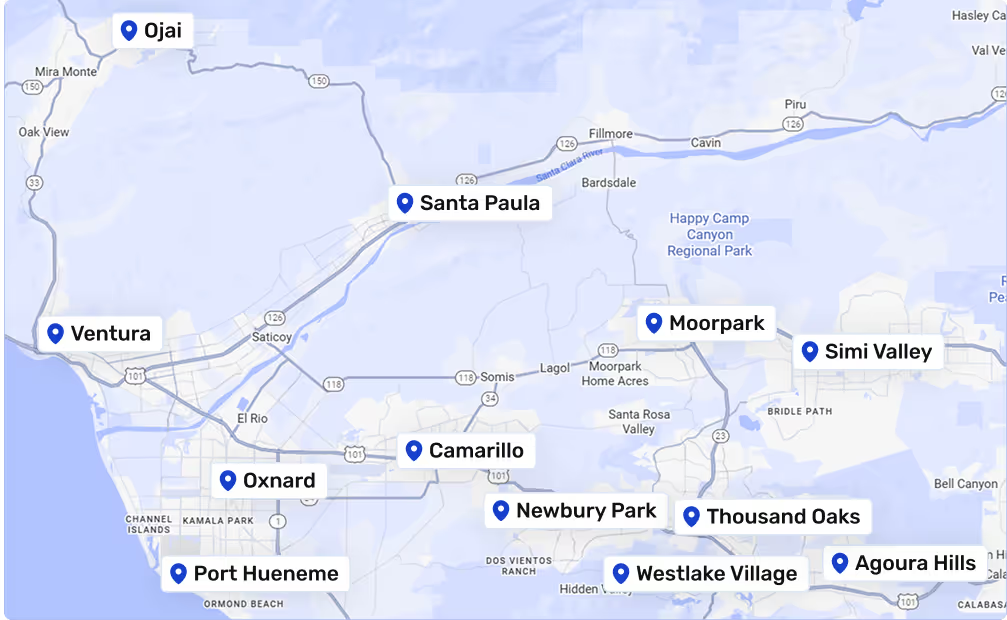
Trenchless sewer replacement offers Thousand Oaks homeowners and businesses a modern alternative to open-cut excavation when a sewer line is beyond repair. For properties with mature landscaping, narrow access, or strict neighborhood design guidelines, trenchless techniques preserve yards, shorten project timelines, and reduce surface restoration. Camarillo Plumbing provides trenchless solutions adapted to local conditions in Thousand Oaks, helping property owners replace failing mains and laterals with minimal disruption.
Why trenchless matters in Thousand Oaks
Thousand Oaks neighborhoods are known for mature oak trees, established landscaping, and hillside lots. Those conditions increase the risk of root intrusion, soil movement, and pipe misalignment. Traditional excavation can be highly disruptive to yards, driveways, and community aesthetics. Trenchless replacement minimizes surface disturbance, which is especially valuable where preserving trees, patios, and irrigation systems is a priority. Additionally, seismic settling and clay soils common in parts of Ventura County can accelerate pipe deterioration—making timely replacement important to avoid repeated repairs.
Common sewer problems and typical use cases
- Root intrusion from mature oaks and landscaping
- Collapsed or severely corroded clay, cast iron, or old ABS/PVC pipes
- Recurring backups and slow drains indicating structural failure
- Multiple repairs along a run that make replacement more cost-effective
- Properties with sensitive landscaping, driveways, pools, or finished patios
- Replacement of laterals under narrow easements or structures
Trenchless techniques explained
- Pipe lining (Cured-In-Place Pipe, CIPP): A resin-saturated liner is inverted or pulled into the damaged pipe and cured in place to form a seamless, jointless new pipe inside the old one. Lining restores hydraulic capacity and resists root intrusion. Suitable when the existing pipe has continuous shape and the diameter reduction is acceptable.
- Pipe bursting: A bursting head fracturing the old pipe is pulled through while simultaneously pulling a new pipe into place. This fully replaces the host pipe and is ideal when the existing line is collapsed, offset, or when upsizing pipe diameter is desired.
- Spotlessless/spot replacement: When only short sections need replacement, targeted excavation at the damaged section combined with trenchless techniques can limit surface impact.
Advantages over open-cut replacement
- Preservation of landscaping, patios, driveways, and mature trees
- Faster completion times—many residential projects finish in a day or two
- Less soil removal, lower disposal needs, and reduced environmental impact
- Reduced restoration work and cost for surface repairs
- Lower risk of damaging underground utilities when properly surveyed
- Longer service life with modern materials and seamless joints
Diagnostic and planning process
- Sewer camera inspection: A full video inspection identifies pipe condition, location of breaks, root intrusion, and lateral connections. Camera footage determines whether lining or bursting is appropriate.
- Utility locate and plan: Marking existing utilities and checking right-of-way, easement access, and depth. Thousand Oaks permits or HOA rules may require documentation.
- Hydrostatic and smoke testing if infiltration or leaks are suspected.
- Engineering assessment: Evaluate slope, laterals, cleanouts, and potential need for manhole or cleanout modifications.
- Written plan and scope: Clear outline of technique chosen, excavation points, permit needs, and restoration expectations.
Site preparation and post-service restoration expectations
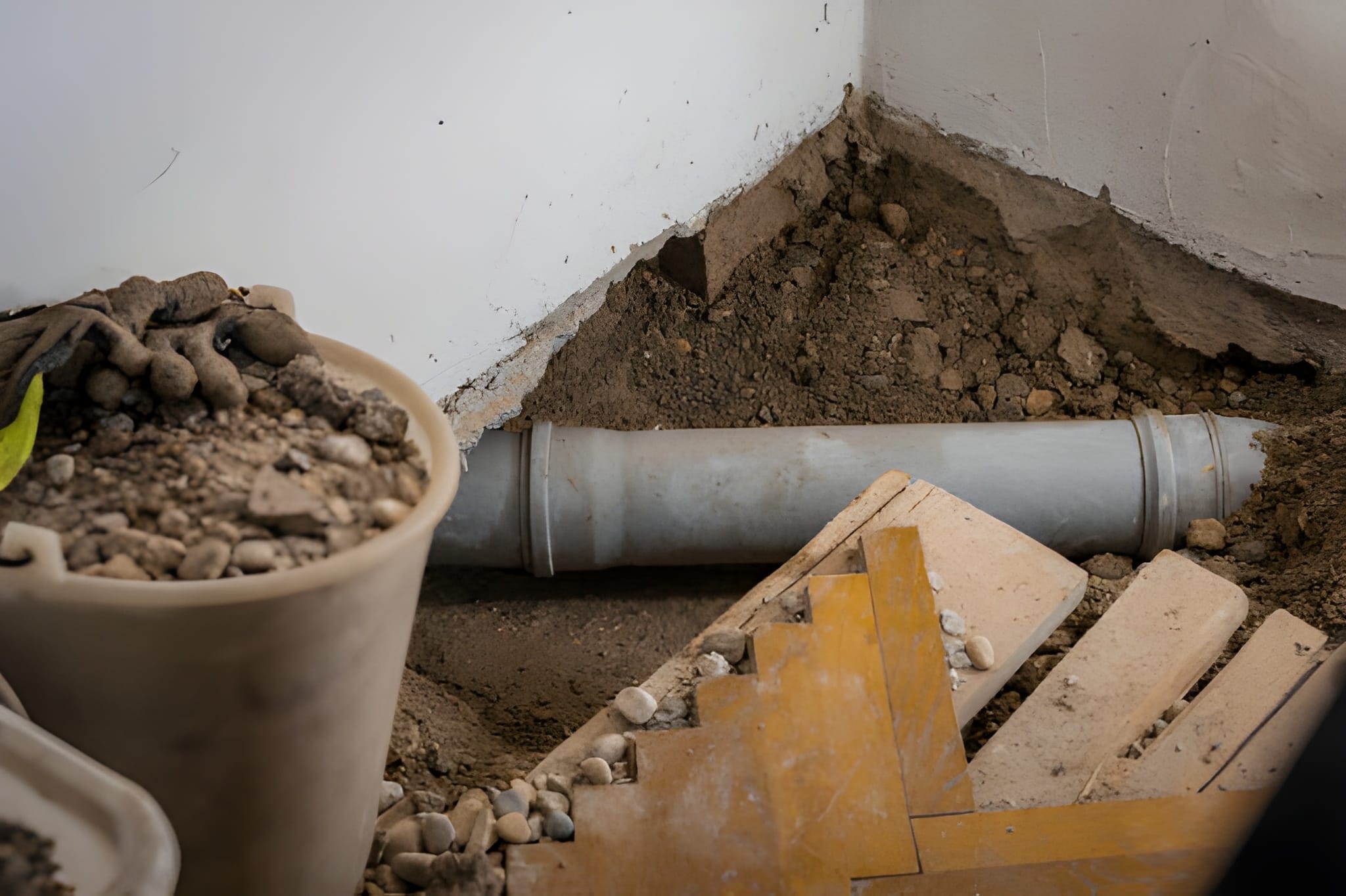
- Minimal excavation points are required: typically two small pits for pipe bursting or a single entry/exit point for lining.
- Homeowners should clear access paths and protect fragile landscaping where instructed.
- After completion, pits are backfilled and compacted, softscape restored, and hardscape repairs performed as outlined in the plan.
- Preservation of trees: arborist coordination may be recommended for large oaks when roots are near the line.
- City of Thousand Oaks permits and inspections: documentation is handled before or during work as required by local regulations.
Cost and timeline estimates
- Timeline: Many residential trenchless replacements are completed in 1 to 3 days. Longer or complex runs, required lateral reconnections, or permit scheduling can extend timelines to several days.
- Cost: Variable based on length, pipe diameter, depth, material, lateral work, and site access.
- Pipe lining (CIPP): ballpark $60 to $200 per linear foot depending on diameter and access.
- Pipe bursting (full replacement): ballpark $80 to $300 per linear foot when accounting for upsizing and restoration.
- Whole-run replacements for typical single-family homes commonly fall in the mid thousands to tens of thousands of dollars depending on length and complexity.
- Influencing factors: number of laterals to be reconnected, required excavation points, slope and depth, soil conditions, presence of groundwater, need for traffic control, and local permit fees from the City of Thousand Oaks.
Trenchless vs traditional excavation: when each makes sense
- Choose trenchless when: preserving landscaping, reducing restoration costs, limited surface access, or when pipe condition supports lining or bursting.
- Choose open-cut when: pipes run under large foundations, severe offsets or misalignments cannot be corrected by bursting, or when laterals and connections require full exposure for rebuilding.
- A professional diagnostic typically identifies the most cost-effective, durable approach for each property.
Emergency replacement and inspection logistics
Licensed plumbing contractors in the Ventura County area are equipped to assess emergency failures, perform camera inspections, and recommend immediate measures to prevent backups while planning a replacement. Emergency scenarios often require temporary measures like bypass pumping or localized excavation to protect the property until a permanent trenchless solution can be implemented. Local permits and utility notifications are typically coordinated as soon as the replacement strategy is confirmed.
Long-term benefits and maintenance
Trenchless replacement using modern materials reduces root intrusion and infiltration, improves flow capacity, and extends sewer life by decades. Once replaced, maintain the new line with periodic inspections after major landscaping work or if symptoms return. Avoid planting high-rooting trees directly above known sewer runs and keep irrigation systems from oversaturating the trench zone.
Frequently Asked Questions
Q: How do I know if trenchless replacement is right for my Thousand Oaks property?A: A full camera inspection and site assessment determine whether lining or bursting is feasible. Factors include pipe condition, alignment, laterals, and surface protection priorities. For homes with mature landscaping, trenchless is often the preferred option.
Q: Will trenchless replacement damage my oak trees or landscaping?A: Trenchless methods greatly reduce surface disturbance. Small access pits are required, but careful planning and root protection strategies preserve mature trees and minimize impact on landscapes.
Q: How long does a typical residential job take?A: Many residential trenchless replacements finish in one to three days. Projects needing multiple lateral reconnections, permitting, or complex access can take longer.
Q: Are local permits required in Thousand Oaks?A: Yes. Sewer replacement projects commonly require City of Thousand Oaks permits and inspections. Permit coordination and utility locating are part of the standard planning process.
Q: How long will a trenchless replacement last?A: Properly executed trenchless replacements with quality materials typically provide multiple decades of service. Exact lifespan depends on materials used and site conditions.
hear what our satisfied clients have to say