
Trenchless Sewer Repair in Thousand Oaks, CA
.avif)

Trenchless sewer repair in Thousand Oaks, CA is a practical, low‑impact solution for damaged or failing sewer lines in homes and businesses. Instead of digging long trenches through lawns, driveways, or mature landscaping, trenchless techniques repair or replace pipes with minimal surface disruption. For Thousand Oaks properties where mature oak trees, manicured yards, and strict neighborhood aesthetics matter, trenchless options preserve the character of the property while restoring sewer function quickly and reliably.
What trenchless sewer repair is and why it matters
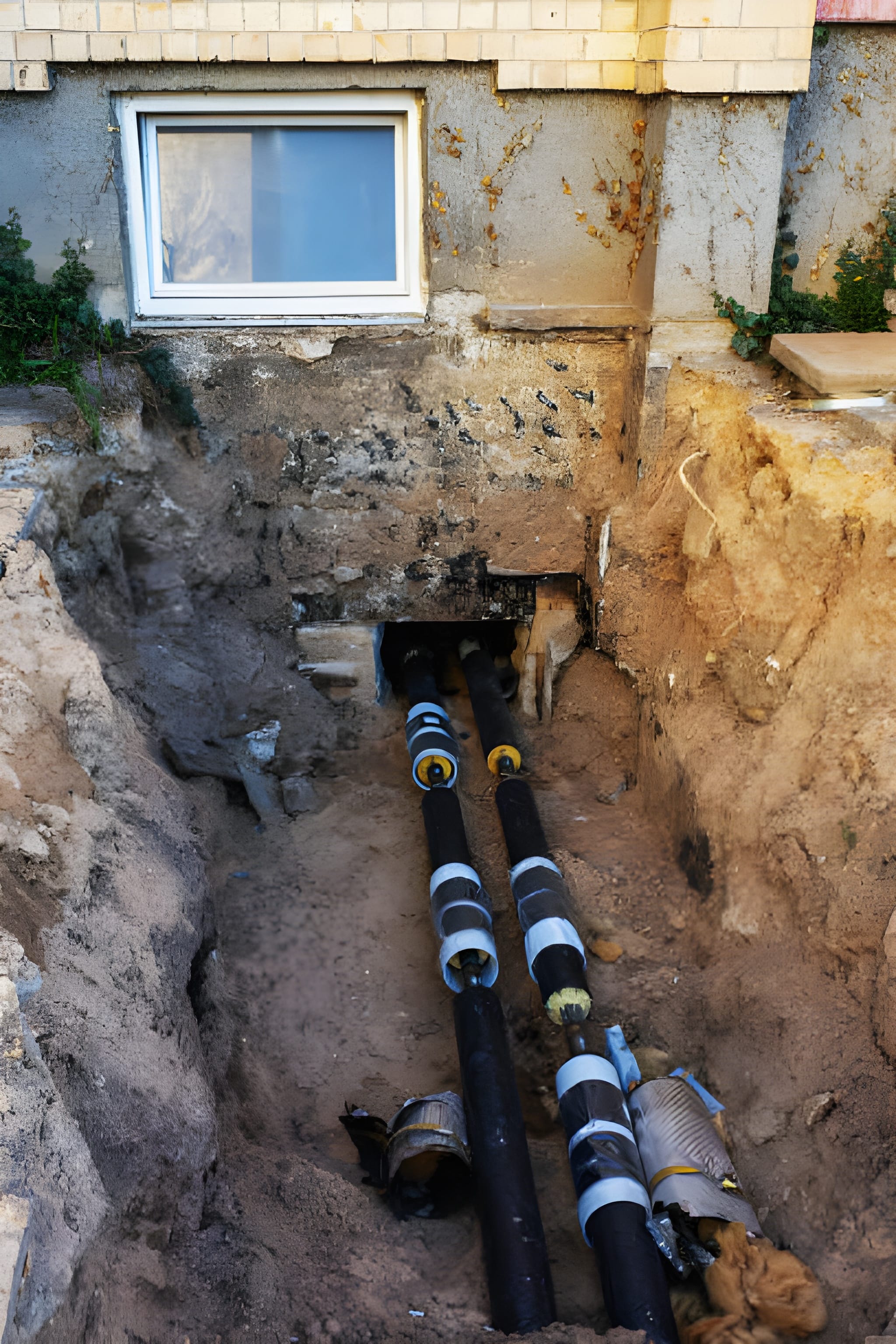
Trenchless sewer repair includes several noninvasive methods that fix broken, cracked, collapsed, or root‑intruded lines without full excavation. The most common are cured‑in‑place pipe (CIPP) lining, pipe bursting replacement, and spot repairs or sectional patching. These methods typically reduce project time, limit damage to landscaping and hardscapes, and generate less material and soil removal than traditional open‑cut repairs.
In Thousand Oaks, where older neighborhoods may have aging clay or cast iron pipes and many properties feature large trees, trenchless repair reduces the risk of landscape loss and expensive restoration after work is complete.
Common trenchless sewer repair issues in Thousand Oaks
- Tree root intrusion from large oaks and ornamental trees causing cracks and blockages
- Age‑related deterioration of clay and cast iron pipes leading to leaks or collapse
- Soil movement on hillside lots after heavy rains causing misalignment or breaks
- Frequent blockages or backups that indicate longitudinal cracks or joint failures
- Corrosion and bellied (sagging) sections of pipe that reduce flow and cause backups
Assessment and diagnostic process
A thorough, accurate diagnosis is vital before recommending trenchless repair. Typical steps include:
- Initial site consultation to discuss symptoms and property layout
- Sewer camera inspection to visually assess interior pipe condition and locate defects precisely
- Drain cleaning or hydro‑jetting, if needed, to clear debris for an accurate camera run
- Evaluation of pipe material, diameter, depth, and proximity to structures or utilities
- Recommendation report explaining whether trenchless lining, pipe bursting, spot repair, or open‑cut replacement is the most appropriate option
Sewer camera inspection in Thousand Oaks homes is especially valuable because it identifies root intrusion patterns and joint offsets common in older systems without disturbing yards.
Trenchless methods explained
- Cured‑in‑place pipe (CIPP) lining: A flexible resin‑saturated liner is inverted or pulled into the existing pipe and cured to form a seamless new pipe within the old one. Ideal for continuous cracks, corrosion, or joint leaks.
- Pipe bursting replacement: The old pipe is fractured outward while a new pipe is pulled into place behind the bursting head. Used when a full replacement is needed but trenching is not an option.
- Spot or sectional repair: Localized defects such as single collapsed sections or significant root pockets can be fixed with sectional liners or mechanical seals without relining the entire run.
- Point repair using inflatable liners or grout: For small failures where full lining would be unnecessary.
Each method has advantages depending on pipe condition, access points, and nearby landscaping or hardscapes.
When trenchless is appropriate versus traditional methods
Trenchless repair is appropriate when:
- The pipe has longitudinal cracks, joint separation, or root intrusion but the line is mostly intact
- Landscaping, driveways, patios, or pools would be significantly disturbed by excavation
- Access pits at upstream and downstream points are feasible
- Municipal codes and utility locations allow for trenchless techniques
Traditional open‑cut replacement is often necessary when:
- Lines are severely collapsed, offset, or have long sections of bellied pipe that cannot be corrected by lining
- Pipes are heavily deformed or inaccessible for lining equipment
- Multiple utility conflicts or local permitting requires it
A camera inspection and site assessment determine suitability.
Expected timeline and costs
Trenchless repairs commonly complete faster than open‑cut jobs. Many residential lining or pipe‑bursting projects can be finished in a day or two once the assessment and permitting are complete. Factors affecting timeline include pipe length, access, extent of damage, and municipal permitting.
Costs vary based on method, pipe diameter, length, site accessibility, and restoration needs. Because trenchless typically reduces landscaping and hardscape restoration, the overall project cost can be lower than open excavation in many Thousand Oaks properties. A clear estimate after camera inspection provides the most accurate expectation.
Warranty and guarantee information
Warranties typically include:
- Manufacturer warranty on materials (liners and resins), which can range in duration depending on the product
- Workmanship guarantee from the installer covering installation defects for a stated period
Camarillo Plumbing provides workmanship guarantees that complement manufacturer warranties and documents what is covered. Warranty terms depend on the method used and the materials selected. Always request written warranty details that specify coverage, exclusions, and claim procedures.
Common repair scenarios in Thousand Oaks
- Root intrusion under a front lawn causing recurring backups: CIPP lining seals cracks and restores flow with minimal lawn disruption.
- Collapsed section beneath a driveway: Pipe bursting replaces the damaged pipe without fully excavating the driveway, preserving surface finish.
- Multiple small joint leaks along a long run: Full‑length lining prevents future root ingress and eliminates repeated service calls.
- Older clay pipe with offset joints in a hillside property: A combined approach of sectional repair and targeted replacement addresses unstable sections while protecting slopes and landscaping.
Scheduling emergency or routine service
Emergency situations such as severe backups, active leaks, or sewage surfacing require prompt assessment. Camarillo Plumbing performs thorough diagnostics, prioritizes safety, and coordinates recommended repairs or temporary measures pending permanent trenchless solutions. For routine maintenance or concerns like recurring clogs, a scheduled camera inspection identifies problems early and helps avoid emergency repairs.
When preparing for a service visit, note access points to cleanouts, visible problem locations, recent symptoms, and any landscaping or hardscape areas you want to protect.
Maintenance tips to prolong repaired sewer lines
- Avoid flushing grease, wipes, or non‑disposable items to reduce blockages
- Keep tree roots at a safe distance from sewer lines; consider professional root management if roots are near pipes
- Schedule periodic sewer camera inspections for older systems or after heavy storms
- Use drain screens and mindful disposal habits to prevent debris from entering lines
Q: How long does a typical trenchless sewer repair take?
A: Most residential lining or pipe‑bursting jobs can be completed in a day or two once assessment and permitting are done; complexity and access affect timing.
Q: Will trenchless repair stop tree roots from returning?
A: Trenchless lining seals cracks and joints that allow root entry. Root removal may be needed initially, and preventive root management reduces recurrence.
Q: Is trenchless repair always cheaper than digging?
A: Trenchless often lowers overall cost by cutting restoration expenses, but final cost depends on pipe condition, length, and site factors.
Q: How long do trenchless repairs last?
A: Properly installed CIPP liners and new pipes from pipe bursting have long service lives. Warranty and materials determine specific coverage.
Q: Can trenchless methods be used under a driveway or pool?
A: Yes. Trenchless techniques are designed to avoid damaging driveways, patios, and pools by working from access points outside the hardscape areas.
Q: Will I need permits for trenchless sewer work in Thousand Oaks?
A: Many municipalities require permits for sewer repairs or replacements. A qualified provider coordinates permitting and code compliance with local authorities.
hear what our satisfied clients have to say