
Trenchless Sewer Replacement in Moorpark, CA
.avif)

When a sewer line fails, the disruption to your home and yard can be intense. Trenchless sewer replacement in Moorpark, CA offers a modern, less-invasive alternative to open excavation. For homeowners facing recurring clogs, collapsed pipe segments, or aging materials, a trenchless full replacement can restore reliable flow with far less landscaping damage, faster completion, and durable results tailored to Moorpark’s local conditions.
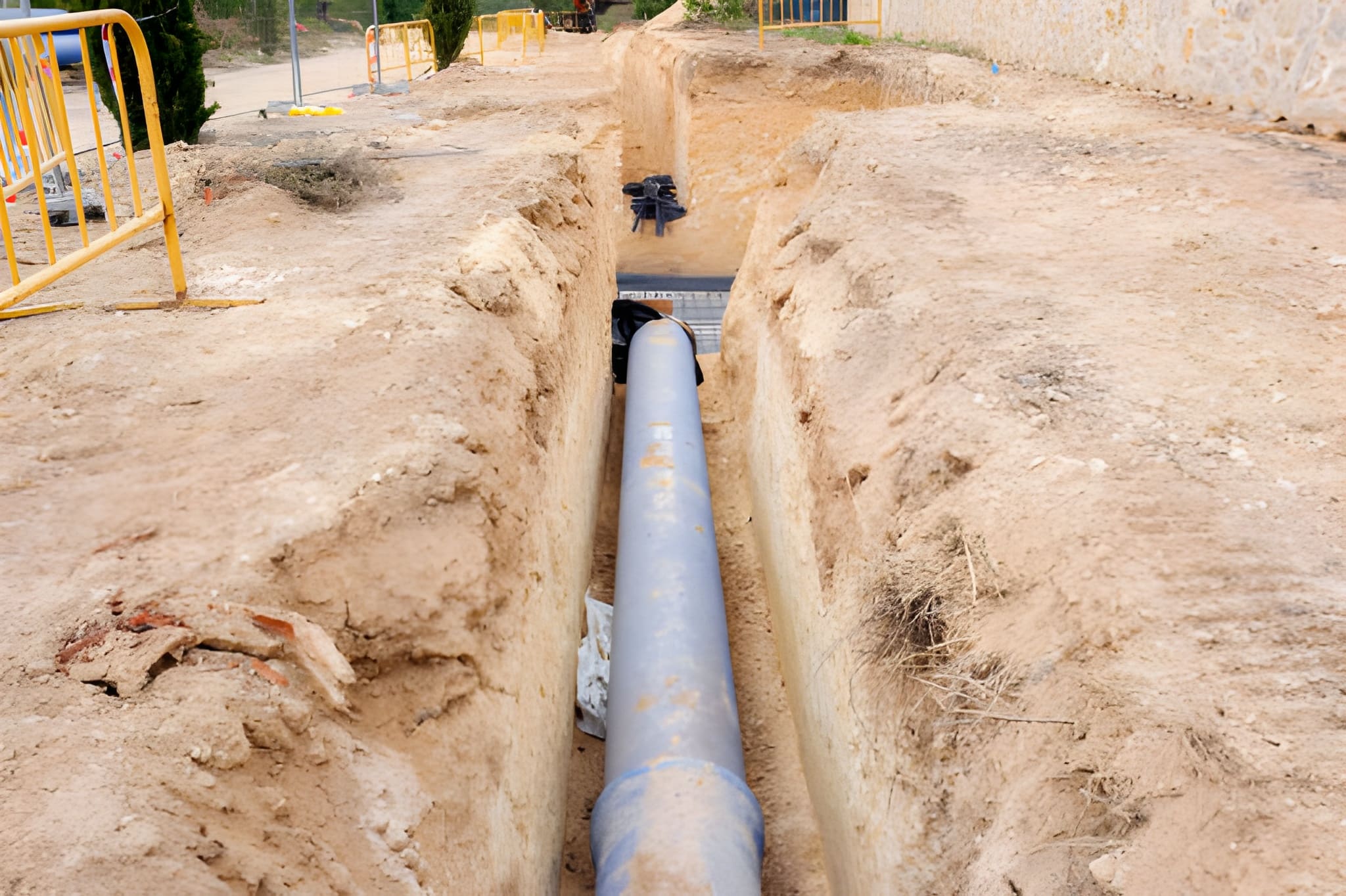
Why Moorpark homes benefit from trenchless sewer replacement
Moorpark’s Mediterranean climate means hot, dry summers and wet winters. Seasonal soil movement and tree root growth combined with older pipe materials common in Ventura County can accelerate breaks, offsets, and infiltration. Trenchless replacement reduces extended exposure of lawns, irrigation systems, and hardscapes in neighborhoods where mature trees, narrow side yards, and established landscaping are common. For many Moorpark homeowners, trenchless methods preserve curb appeal while delivering a long-term solution.
When full replacement is recommended vs repair
Full trenchless replacement is typically recommended when:
- Pipe collapse, severe offset, or multiple longitudinal cracks are present.
- Repeated repairs or patching have failed within a short period.
- Original pipe material (clay tile, cast iron, or highly degraded plastic) is beyond practical lining.
- Length of damaged pipe or multiple junction failures make spot repairs impractical.
- Root intrusion is extensive and has compromised pipe integrity.
Repair (trenchless lining or spot repair) is appropriate when damage is limited to a short run, the pipe is structurally sound except for localized defects, or when material and configuration allow an effective structural lining.
Pre-replacement diagnostics: camera inspection and locating
Accurate diagnostics are essential before any trenchless replacement. Recommended pre-replacement steps:
- Video sewer camera inspection to identify exact defects, lengths, joint separation, and root intrusion.
- Electronic line locating to map the sewer route relative to landscaping, utilities, and structures.
- Flow and infiltration assessment to determine groundwater or stormwater entry.
- Review of property plans and utility marks to plan access pits and avoid conflicts.
These diagnostics establish whether trenchless replacement is viable and allow precise cost estimating and permit preparation.
Trenchless methods explained
Two primary trenchless full-replacement methods are commonly used:
- Pipe bursting
- How it works: A bursting head is pulled through the existing line while simultaneously fracturing the old pipe outward and pulling a new pipe into place behind it.
- Best for: Completely failed or collapsed pipes, replacing old clay, cast iron, or aging plastic with new high-density polyethylene (HDPE).
- Benefits: Allows upsizing pipe diameter, minimal surface disruption limited to two small access pits.
- Cured-in-place pipe (CIPP) replacement
- How it works: A resin-saturated liner is inverted or pulled into the existing pipe and cured in place to form a new structural pipe inside the old one.
- Best for: Pipes that are continuous and structurally intact but need internal reinforcement; not ideal for fully collapsed lines.
- Benefits: Smooth new interior, corrosion resistance, effective when trenchless replacement without upsizing is acceptable.
Selection depends on camera findings, pipe condition, access constraints, and long-term goals for capacity and durability.
Typical project timeline and site restoration
- Inspection and permitting: 1 to 7 business days depending on permit needs.
- Mobilization and setup: A few hours to a day.
- Trenchless replacement: Often completed in 1 to 3 days for typical residential runs; larger or complex runs may take longer.
- Testing, backfill, and cleanup: Same day or next day after installation.
- Final site restoration: Minimal compared with open trenching. Access pits are filled and compacted, sod or plants are restored, and hardscapes are repaired as needed.
In Moorpark, where water restrictions and landscaped yards are priorities, trenchless projects typically require less irrigation repair and recover faster than full-excavation projects.
Advantages of trenchless replacement
- Minimal landscaping disturbance to yards, trees, and sprinkler systems.
- Faster completion, reducing inconvenience and risks to daily routines.
- Ability to replace long runs or upsized pipe without cutting through driveways or patios.
- Lower likelihood of needing major grading or extended restoration.
- Improved long-term performance with modern materials resistant to corrosion and root intrusion.
Cost estimate process
Cost estimates are based on:
- Video inspection findings and total lineal footage requiring replacement.
- Method chosen (pipe bursting vs CIPP) and material selection.
- Access complexity, proximity to obstacles, and need for traffic control or special equipment.
- Local permitting and inspection fees.
- Site restoration needs.
A reliable estimate follows a thorough on-site inspection and camera log. Moorpark-specific factors such as narrow lot access, presence of mature trees, and local permit timelines are considered to provide an accurate scope and timeline.
Post-replacement testing and warranties
After installation, standard verification includes:
- CCTV inspection to confirm continuous, defect-free joints and proper alignment.
- Pressure or water fill testing where applicable to verify leak-free performance.
- Infiltration testing if groundwater entry was a prior concern.
Workmanship warranties and material warranties vary by method and manufacturer. Documentation of warranty coverage and testing results should be provided following completion for homeowner records.
Maintenance tips to protect your new sewer line
- Schedule a periodic camera inspection every 3 to 5 years, or sooner if flow issues return.
- Avoid flushing wipes, grease, or non-biodegradable items that can cause blockages.
- Keep roots from planting too close to sewer easements; choose small-root landscaping near sewer routes.
- Use enzyme or biologic treatments periodically to reduce organic buildup, rather than harsh chemicals that can damage pipe joints.
- Practice responsible rainwater and irrigation management to avoid saturating soil around sewer lines and stressing joints.
Q: How do I know if my Moorpark sewer needs replacement rather than repair?A: A professional video inspection reveals the extent of damage. Repeated failures, collapsed sections, widespread root intrusion, or degraded pipe materials typically indicate replacement is the more durable choice.
Q: Will trenchless replacement disturb my lawn or driveway in Moorpark?A: Trenchless methods limit excavation to small access pits usually at two points, greatly reducing impact to lawns, driveways, and patios compared with full-trench excavation.
Q: How long does a trenchless replacement usually take for a typical house?A: Most residential trenchless replacements are completed within 1 to 3 days once permits and mobilization are in place; larger or complicated installs can take longer.
Q: Are permits required in Moorpark for trenchless sewer replacement?A: Yes, local permits and inspections are commonly required. Permit requirements vary by municipality and the scope of work.
Q: What testing is done after replacement?A: Post-replacement CCTV verification and pressure or infiltration tests are standard to confirm a leak-free, properly installed sewer line.
Q: How long do trenchless-replaced pipes last?A: Modern materials installed via trenchless methods (HDPE or properly cured CIPP liners) are designed to provide decades of service when installed correctly and maintained.
hear what our satisfied clients have to say