

Trenchless Sewer Replacement in Fillmore, CA
.avif)

Trenchless sewer replacement is a modern, minimally disruptive solution for failing sewer lines in Fillmore, CA. For homeowners dealing with frequent backups, slow drains, or recurring repairs, trenchless replacement restores a reliable pipeline without the extensive digging and landscaping damage of traditional excavation. Camarillo Plumbing provides expert evaluations, trenchless options like pipe bursting and sectional replacement, and local permitting and restoration guidance tailored to Fillmore properties and soils.
Why trenchless replacement matters in Fillmore homes
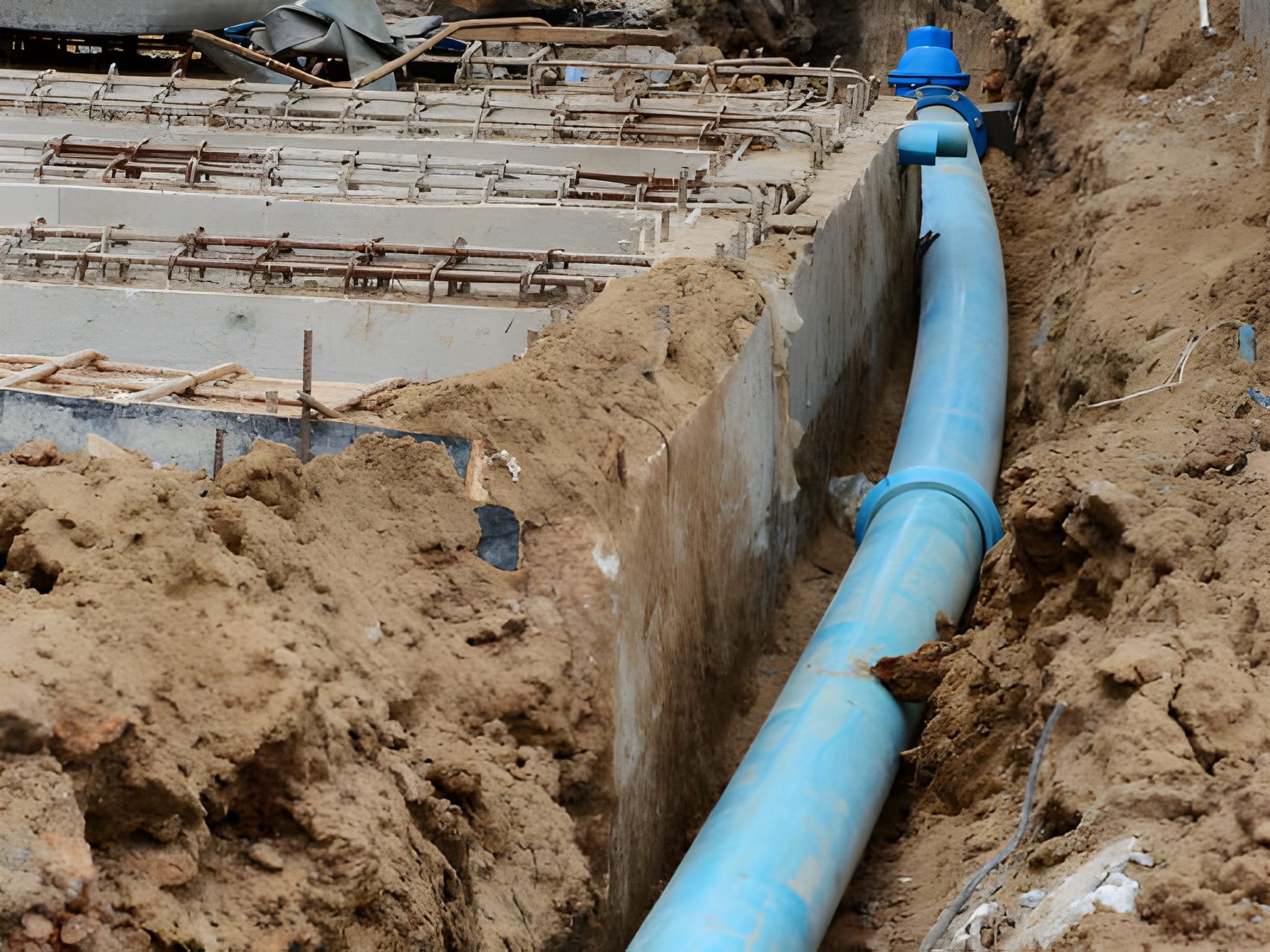
Fillmore neighborhoods include many mature trees, older clay and cast iron sewer lines, and compact lots where excavation can be costly to restore. Local soil conditions and deep root systems common in Citrus and oak-lined yards increase the risk of root intrusion and pipe collapse. Trenchless methods limit surface disruption, reduce impact to irrigation and landscaping, and often shorten project timelines compared with full trench excavation.
Common sewer problems and when replacement is the right choice
- Chronic backups or repeated repairs - multiple repair patches along a run indicate systemic failure.
- Collapsed, crushed, or severely offset pipes - structural failure that cannot be reliably relined.
- Extensive root intrusion that returns after mechanical removal.
- Corroded or degraded materials such as old clay, cast iron, or early PVC installations showing widespread deterioration.
- Diameter reduction from scale or infiltration that impairs flow.
- Long runs with multiple defects where sectional fixes would be temporary.
When defects are widespread or the line has limited remaining useful life, replacement is typically the most cost-effective long-term solution.
Pre-replacement evaluation and camera inspection
A thorough pre-replacement assessment starts with a sewer camera inspection. The camera run identifies:
- Exact locations and types of defects
- Pipe material and diameter
- Length of the compromised section
- Inflow points from roots or breaks
- Condition of connections and laterals
Results form the basis for a written scope that compares trenchless options to traditional excavation, outlines access pit locations, and lists necessary permits or utility clearances.
Trenchless methods explained
- Pipe bursting - A new pipe is pulled through the existing pipe using a bursting head that fractures the old line while simultaneously drawing the replacement pipe into place. Best for complete line replacement where access is available at both ends and the surrounding ground can be disturbed at two pit locations.
- Benefits: Retains original alignment, allows upsizing of pipe diameter, minimal surface disruption between pit sites.
- Limitations: Not suitable where underground obstructions or very shallow utilities prevent bursting.
- Sectional replacement (pipe piecing or slip-lining alternatives) - Individual damaged sections are removed and replaced through small access openings, or a new pipe is installed inside the old pipe where conditions allow. Useful when damage is localized or when bursting is not feasible.
- Benefits: Targets only damaged sections, reduces overall disturbance.
- Limitations: May reduce internal diameter or be less effective for continuous widespread failures.
Both methods require small excavation pits at entry and exit points and specialized equipment operated by experienced technicians.
Project planning and site preparation
- Utility locating and verification - Identify water, gas, electrical, and communication lines before any digging.
- Access and pit placement - Determine suitable locations for launch and reception pits with minimal impact to structures and landscaping.
- Irrigation and tree protection - Temporarily disable irrigation and protect visible root zones; plan tree root restoration after work.
- Permit coordination - Fillmore and Ventura County permitting rules may apply for right of way work, street cuts, or sewer connection changes. Documentation typically includes the camera report, scope of work, and site plans.
- Homeowner responsibilities - Clear access to work areas, secure pets, and mark landscape features to protect.
Expected timeframe
- Camera inspection and evaluation - Usually completed in a single visit.
- Trenchless replacement - Many residential projects are completed within one to three days once permits and access are secured. Factors that can extend the schedule include permit turnaround, complex lateral reconnections, street or traffic control requirements, and unexpected underground obstructions.
Cost factors (no pricing provided)
While specific pricing is not provided here, factors that influence overall project cost include:
- Length and depth of the run
- Pipe material chosen for replacement
- Need for upsizing or rerouting
- Accessibility and need for street permits or traffic control
- Required landscaping restoration and tree root mitigation
An accurate written estimate follows the camera inspection and site assessment.
Landscaping restoration and permit considerations in Fillmore
Fillmore properties often feature mature trees, landscaped yards, and agricultural-adjacent soils that require careful restoration planning. Common considerations:
- Replacing compacted soil with proper topsoil and regrading to original contours
- Repairing or replacing sod, irrigation lines, and decorative rock beds
- Coordinating with the City of Fillmore for any public right of way or street encroachment permits
- Managing sensitive root zones near heritage oaks or citrus trees with minimal long-term damage
A restoration plan is included in the project scope to restore the property to pre-work condition as closely as possible.
Post-installation testing and warranties
After installation, the new line undergoes:
- Video re-inspection to confirm proper alignment and joint integrity
- Pressure or water testing where applicable to verify leak-free connections
- Lateral reconnection checks and flow testing
Camarillo Plumbing documents the results and provides warranty coverage on workmanship and often on materials in keeping with industry standards. Warranty terms and duration are detailed in the project agreement.
How to arrange service and what to expect
- Prepare property information including age of plumbing, any past repairs, and visible problem history.
- A professional evaluation begins with a site visit and a camera inspection to establish scope.
- After evaluation, receive a written plan describing the recommended trenchless option, expected schedule, permitting needs, and a restoration plan.
- On the day of work expect small launch and reception pits, focused equipment on site, and a video confirmation at completion.
FAQs
Q: Is trenchless replacement always possible for Fillmore properties?A: Not always. Feasibility depends on access, underground obstructions, pipe condition, and permit constraints. A camera inspection determines the best approach.
Q: How disruptive is a trenchless replacement to landscaping?A: Trenchless methods limit surface disruption to small pit areas. Turf, gardens, and hardscapes between pits are typically left intact and restored with less impact than full excavation.
Q: Will tree roots grow back into the new pipe?A: Proper pipe selection, installation practices, and addressing nearby irrigation can greatly reduce recurrence. In cases with extensive root pressure, additional root barrier or tree management may be recommended.
Q: How long does the new trenchless sewer typically last?A: Lifespan depends on pipe material and installation quality. New materials installed using modern trenchless techniques are designed for long-term performance when properly installed and maintained.
Q: Are permits required for trenchless sewer replacement in Fillmore?A: Permitting is commonly required for work that impacts public right of way, street cuts, or sewer main connections. The evaluation process identifies permit needs and coordinates documentation.
Q: What should I have ready before an inspection?A: Provide property history, any previous sewer work records, locations of visible cleanouts, and note areas you want avoided for access or protection.
hear what our satisfied clients have to say