
Trenchless Sewer Repair in Fillmore, CA
.avif)

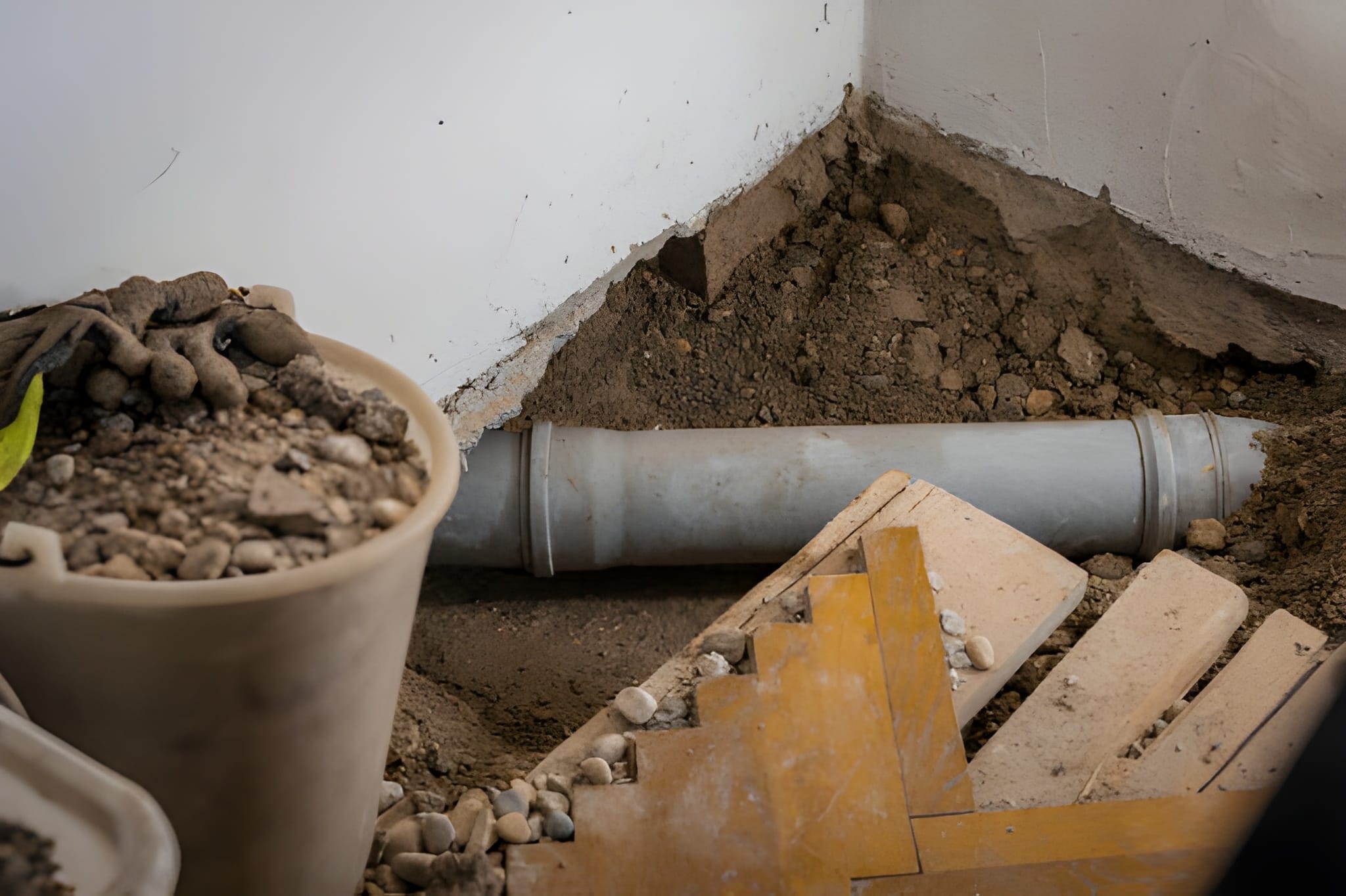
Trenchless sewer repair in Fillmore, CA provides a modern, minimally invasive alternative to traditional open-cut excavation for damaged sewer lines. For homeowners and businesses in Fillmore — where many properties have older clay or cast-iron pipes, mature landscaping, and soils influenced by seasonal rains from the nearby Santa Clara River — trenchless methods preserve yards and minimize disruption while restoring reliable flow. Camarillo Plumbing performs trenchless lining, relining, and replacement techniques that address common causes of failure such as root intrusion, corrosion, and pipe collapse without tearing up driveways or lawns.
Why trenchless matters for Fillmore homes
- Fillmore’s older neighborhoods and agricultural-adjacent lots are more likely to have deteriorating pipe materials and invasive tree roots.
- Seasonal storm runoff and shifting soils in valley and hillside locations can accelerate joint separation and root entry.
- Preserving established landscaping, patios, and driveways is a priority for many local property owners; trenchless repairs avoid long, unsightly trenches.
Common sewer problems in Fillmore and when trenchless is appropriate
- Root intrusion causing slow drains, recurring clogs, or offset joints.
- Corroded or brittle clay and cast-iron pipes with internal defects.
- Small to moderate collapses or cracks that hinder flow but leave alignment intact.
- Pipe offset or joint separation where relining can restore structural integrity.
- Blockages from grease, sediment, or foreign objects that may be addressed with complementary hydro jetting.
Trenchless solutions are ideal when the existing pipeline has enough continuous alignment to accept a liner or when replacement via pipe bursting is feasible. Full-scale excavation may still be required if a line is severely collapsed, obliquely displaced, or if multiple access obstacles prevent trenchless access.
Diagnostic steps: how problems are identified
- Initial assessment of surface signs: slow draining, backups, gurgling toilets, or localized sinkage or wet spots.
- Video sewer camera inspection to pinpoint exact locations and characterize damage (cracks, joints, root intrusion, corrosion, offsets).
- Line locating and depth checks to identify utility conflicts and access points.
- Flow tests and, if needed, smoke testing or dye testing to confirm leaks or cross-connections.Accurate diagnostics are essential to determine whether pipe lining, relining, sectional repair, or pipe bursting is the best trenchless solution.
Trenchless techniques explained
- Cured-In-Place Pipe (CIPP) lining: A flexible resin-saturated liner is inverted or pulled into the existing pipe, then cured in place to form a seamless, jointless new pipe inside the old one. Ideal for most continuous runs with internal defects.
- Epoxy relining and spray-applied coatings: Used for smaller defects, pinhole leaks, or where minimal build-up is required; coatings restore smooth flow and extend pipe life.
- Sectional point repair: Targeted trenchless repair for isolated damaged sections without relining the entire run.
- Pipe bursting (trenchless replacement): A replacement pipe is pulled through the existing line while fracturing the old pipe outward into the surrounding soil. Best when full replacement is necessary but surface disruption must be minimized.
Each method restores structural integrity and reduces infiltration while often increasing flow capacity. The diagnostic camera determines which option fits the specific pipe condition and site constraints.
Typical timelines and cost considerations
- Timelines: Most trenchless repairs — especially relining or CIPP for a single lateral or mainline segment — are completed in a day or two. More extensive replacements using pipe bursting may take several days depending on access and project scope.
- Cost factors: Length and diameter of the affected pipe, depth and accessibility of access points, pipe material and condition, presence of root systems, required permits, added repairs (connections, cleanouts), and whether replacement or relining is selected.
- Comparative value: While trenchless methods can have higher material and specialized equipment costs than some shallow excavations, they often reduce total project expense by eliminating extensive landscaping, driveway, or hardscape restoration and by shortening downtime.
Environmental and community advantages
- Minimal soil disturbance preserves mature trees and landscaping, reducing the need for replanting and associated water use.
- Less heavy-equipment traffic reduces emissions, dust, and neighborhood disruption.
- Reduced excavation lowers the chance of stormwater runoff and sediment displacement, particularly important in Fillmore’s river-adjacent areas.
- Improved pipe flow and reduced infiltration conserve water and decrease sewage overflows into municipal systems.
Warranties and maintenance options
- Many trenchless systems carry manufacturer warranties on materials (liner resin, cured-in-place products) and installation warranties from the service provider.
- Recommended maintenance includes periodic video inspections, scheduled hydro jetting for grease and sediment removal, and root-control treatments where trees are present.
- Routine inspections every 3–5 years help catch new issues early and extend the service life of a trenchless repair.
Emergency vs. routine repairs: what to expect
- Emergency sewer failures (complete blockages, frequent backups, sewage surfacing) require rapid diagnosis via camera and temporary measures such as bypass pumping or targeted cleaning to stop damage.
- Routine trenchless projects are scheduled after diagnostics and site planning, coordinating access points and permits as needed.
- For both emergency and planned work, accurate camera diagnostics and locational surveys speed decision-making and reduce unnecessary work.
Long-term benefits and maintenance tips for Fillmore properties
- A properly installed trenchless liner can restore 50+ years of service life depending on conditions and materials, significantly extending the lifespan of existing infrastructure.
- Proactive root management, mindful disposal habits (avoid grease, wipes, and fibrous materials down drains), and periodic inspections reduce the likelihood of repeat repairs.
- For properties near mature trees or agricultural irrigation, consider root barriers or selective root pruning coordinated with approved landscapers to protect new lined pipes.
Q: What is trenchless sewer repair and how does it differ from traditional excavation?A: Trenchless repair uses internal pipe techniques such as CIPP lining or pipe bursting to fix or replace sewer lines without digging long trenches, preserving landscaping and reducing project time compared with open-cut excavation.
Q: How do you determine if my Fillmore property is a candidate for trenchless repair?A: A video sewer camera inspection and line locating are performed to assess alignment, severity of damage, pipe material, and access; those findings determine whether relining, point repair, or pipe bursting is appropriate.
Q: How long will a trenchless sewer repair take?A: Many relining projects are completed in a single day, while larger replacements may take several days. Exact timelines depend on pipe length, access, and the selected trenchless method.
Q: Will trenchless repair protect my landscaping and hardscapes?A: Yes. Trenchless methods are designed to avoid large trenches, minimizing disruption to lawns, trees, driveways, and patios—especially valuable for established Fillmore properties.
Q: How long do trenchless repairs last?A: With proper installation and maintenance, trenchless liners often last multiple decades. Manufacturer warranties and routine inspections help protect that lifespan.
Q: Are trenchless repairs environmentally friendly?A: Yes. They reduce soil disturbance, heavy equipment use, and emissions, preserve mature vegetation, and limit sediment runoff—advantages that align with regional environmental concerns in Ventura County.
hear what our satisfied clients have to say