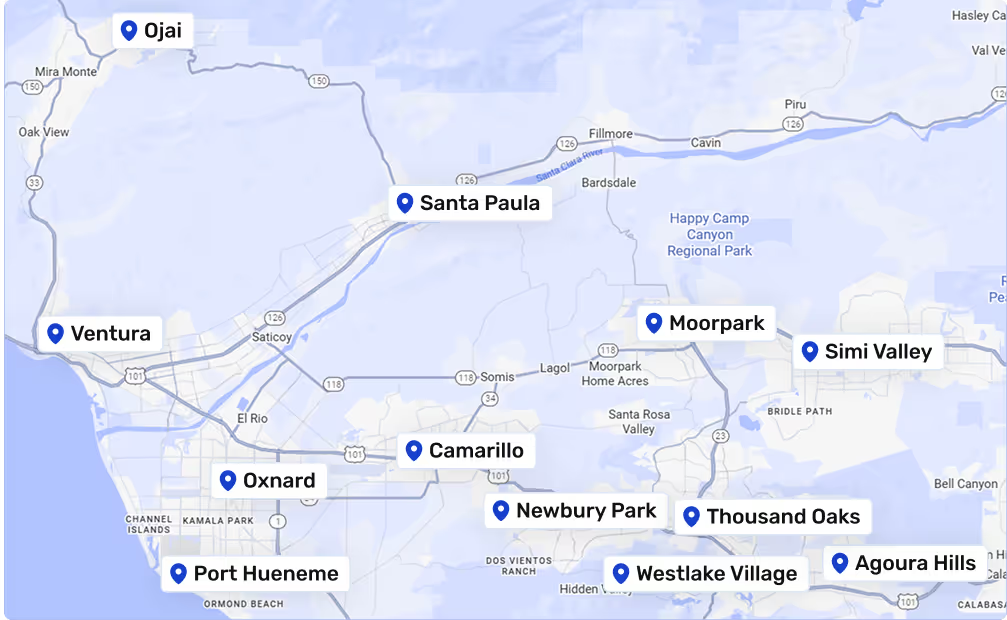


Trenchless Sewer Repair in Simi Valley, CA
.avif)

Trenchless sewer repair in Simi Valley, CA offers a modern, less disruptive way to fix damaged sewer lines without digging wide trenches across yards, driveways, or sidewalks. For homeowners and property managers who value preserving landscaping and minimizing downtime, trenchless methods address common sewer problems quickly while reducing repair-related mess. Camarillo Plumbing brings decades of local experience to trenchless repairs, so Simi Valley homes benefit from solutions that consider local soils, tree-root patterns, and weather-driven stresses.
Why trenchless repair matters for Simi Valley homes
Simi Valley’s Mediterranean climate, mature residential trees, and soils that can shift with seasonal rains and occasional seismic activity create several risks to buried sewer lines. Common local causes of sewer failure include:
- Tree root intrusion from eucalyptus, ficus, and other established shade trees
- Corrosion and age-related deterioration in older clay or cast-iron systems
- Soil movement after heavy winter rains or minor earthquakes
- Blockages caused by grease, nonflushable items, or sediment buildup
Trenchless repair reduces the need to excavate around root systems and established landscaping, which is especially important for Simi Valley properties with large yards, irrigation systems, patios, and hardscapes.
Common trenchless techniques explained
- Cured-in-Place Pipe (CIPP) lining: A flexible resin-saturated liner is inverted or pulled into the existing pipe, inflated, and cured in place to form a seamless, jointless new pipe within the old one. CIPP restores structural integrity and resists root intrusion.
- Pipe lining (slip lining): A slightly smaller diameter pipe is inserted into the existing pipe and grouted into place. Best for uniformly deteriorated runs where minor diameter reduction is acceptable.
- Spot repairs (localized trenchless repair): When only a short section is damaged, technicians access and repair limited areas with minimal digging, then use resin patches or short liner sections to restore service.
- Pipe bursting (trenchless replacement): The old pipe is fractured and simultaneously replaced by a new pipe pulled into place. Used when full replacement is necessary but large continuous excavation is not desirable.
Diagnostics: how problems are located and assessed
Accurate diagnosis is the foundation of effective trenchless repair. Typical diagnostic steps include:
- Sewer camera inspection: A high-definition camera is run through the line to locate breaks, offsets, root intrusion, sags, and blockages while recording footage for documentation.
- Flow and smoke testing (when needed): Identifies illegal connections, inflows, or leaks to the surface.
- Hydrojetting to clean the line: Powerful water jetting removes scale, roots, and buildup so lining materials can bond properly.
- Access evaluation: Technicians assess cleanouts, access pits, and available work areas to determine the optimal trenchless technique and equipment setup.
The trenchless repair workflow (step-by-step)
- Initial assessment and quote: Camera inspection clarifies the problem and the appropriate trenchless option is chosen based on condition, length, and access.
- Pre-repair cleaning: Hydrojetting or mechanical cleaning clears debris and roots to prepare the pipe interior.
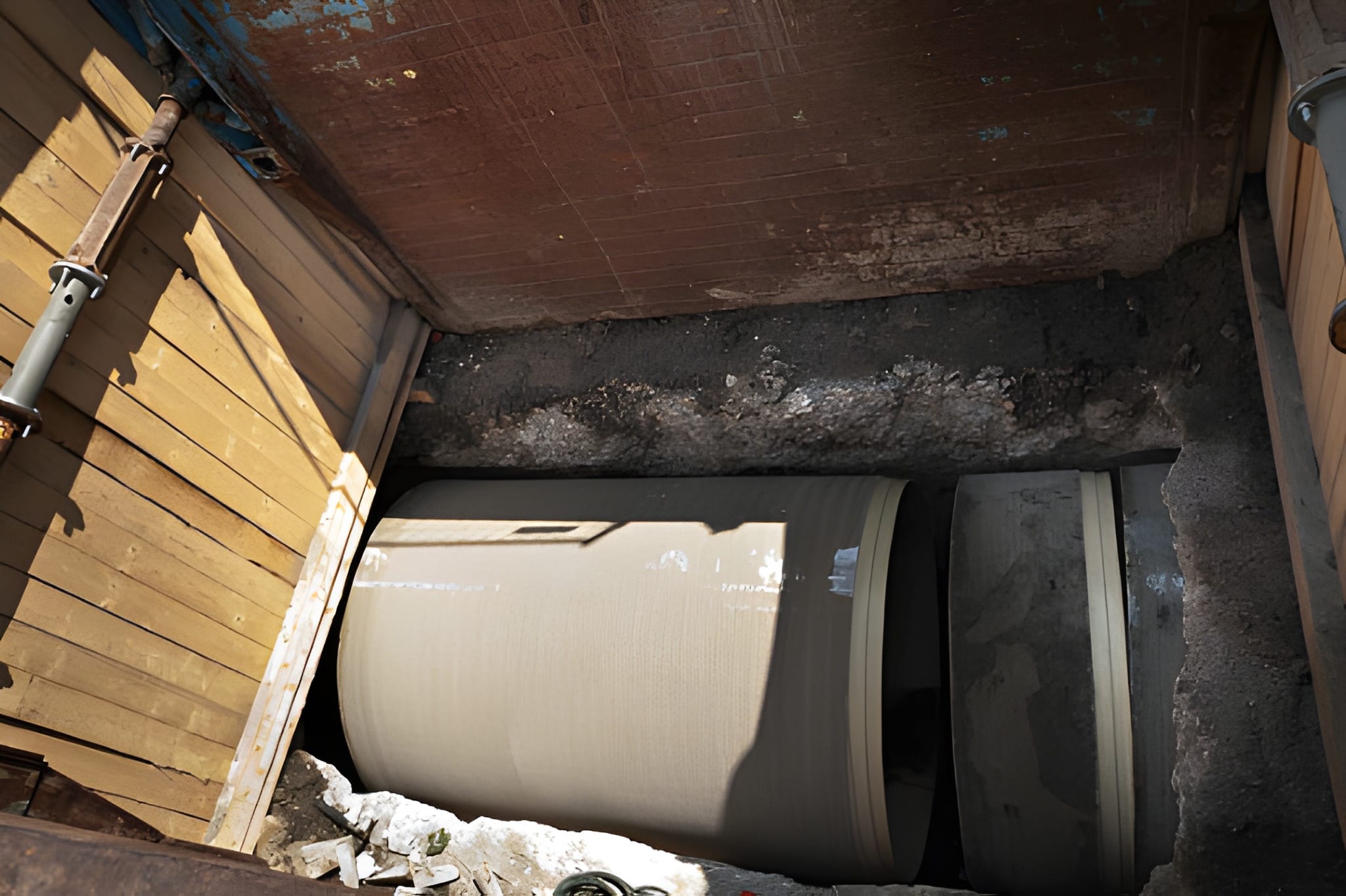
- Access setup: Small entry and exit pits or cleanout access points are prepared. These are usually much smaller than traditional trenches.
- Lining or replacement: The chosen trenchless method is performed—CIPP curing, slip lining, spot patching, or pipe bursting—using equipment sized for the run and materials matched to expected flows.
- Curing and testing: If resin-based lining is used, curing (hot water, steam, or UV) completes the new pipe formation, followed by camera verification and pressure testing as applicable.
- Restoration and final inspection: Small pits are backfilled, surfaces are restored, and final camera footage is provided to confirm the repair.
Most repairs cause minimal disruption inside the home; water service interruptions are brief and explained in advance.
Benefits compared with traditional excavation
- Minimal landscaping and hardscape disruption: preserves yards, gardens, patios, and irrigation systems
- Faster completion: many residential repairs are completed in a day; larger jobs may take 1 to 2 days
- Lower restoration costs: reduced need for driveway or lawn replacement
- Environmental advantages: less soil disturbance, reduced truck traffic, and fewer disposal needs
- Improved long-term performance: modern liners resist root intrusion and corrosion
- Safer and cleaner worksite: reduced open trenches lower hazards on residential property
Timelines and cost considerations
- Typical timelines: simple spot repairs or short CIPP linings are often completed within a single workday; longer runs or full trenchless replacement may take 1 to 2 days depending on access and curing method.
- Cost factors: repair method, pipe length, depth, material, accessibility of cleanouts, extent of pre-cleaning required, and whether pipe replacement is needed all influence cost. While trenchless methods often carry a higher material cost than simple excavation in small open areas, savings are realized through faster completion and reduced restoration expenses.
- Value perspective: when preserving established landscaping, driveways, or hardscapes, trenchless work frequently results in lower total project cost compared with full excavation and restoration.
Warranties and guarantees
Industry practices vary, but many trenchless materials and installations come with manufacturer or installer warranties covering workmanship and materials. Warranties can range based on product type and installation scope; some liner systems carry long-term structural warranties. Camarillo Plumbing documents repairs with camera footage and provides clarity on any manufacturer or work warranties that apply to a specific repair.
Emergency and routine repair scheduling in Simi Valley
Sewer issues can escalate quickly. For urgent blockages or backups, rapid diagnostic response (often including same-day camera inspection and hydrojetting) helps limit damage. Routine repairs and planned trenchless upgrades follow an assessment and scheduling process that coordinates access, lining materials, and any necessary permits. Camarillo Plumbing leverages local experience to recommend the appropriate response based on severity, property layout, and seasonal considerations.
Maintenance and prevention tips
- Minimize tree root risk: avoid planting large-root species near sewer routes when possible; consider root barriers for existing trees.
- Regular inspections: an annual or biannual sewer camera inspection catches developing issues early.
- Avoid flushing nonflushable items and minimize grease disposal: clogs and buildup accelerate pipe deterioration.
- Periodic hydrojetting: professional cleaning can prolong the life of a sewer line and reduce the need for emergency repairs.
Frequently asked questions
Q: How do I know if trenchless repair is right for my sewer problem?A: A camera inspection determines condition, distance, and type of damage; if the existing line is structurally restorable, CIPP or spot lining is often the best choice. Full replacement methods like pipe bursting are selected when the pipe is severely collapsed or misaligned.
Q: Will trenchless lining change my sewer diameter and affect flow?A: Liners occupy a small percentage of the internal diameter but are designed to be smooth and often improve flow compared with a corroded or root-filled pipe. Flow capacity is usually maintained or improved.
Q: How long does a trenchless repair last?A: Service life depends on materials and installation, but modern resin liners commonly provide decades of service when installed correctly. Specific warranty terms are provided for each repair.
Q: Will roots grow through a liner?A: Properly installed resin liners create a seamless barrier; when cured and inspected, they resist root intrusion. Preemptive root cutting and sealing at joints reduces recurrence.
Q: Are trenchless repairs permitted in Simi Valley?A: Most trenchless repairs are permitted; permit requirements vary with the work scope and property. Local codes and HOA rules are considered during the assessment and scheduling process.
Camarillo Plumbing applies local knowledge and proven trenchless methods to restore sewer lines with minimal disruption, addressing the specific challenges Simi Valley properties face while documenting work for long-term peace of mind.
hear what our satisfied clients have to say