

Sewer Line Replacement in Moorpark, CA
.avif)

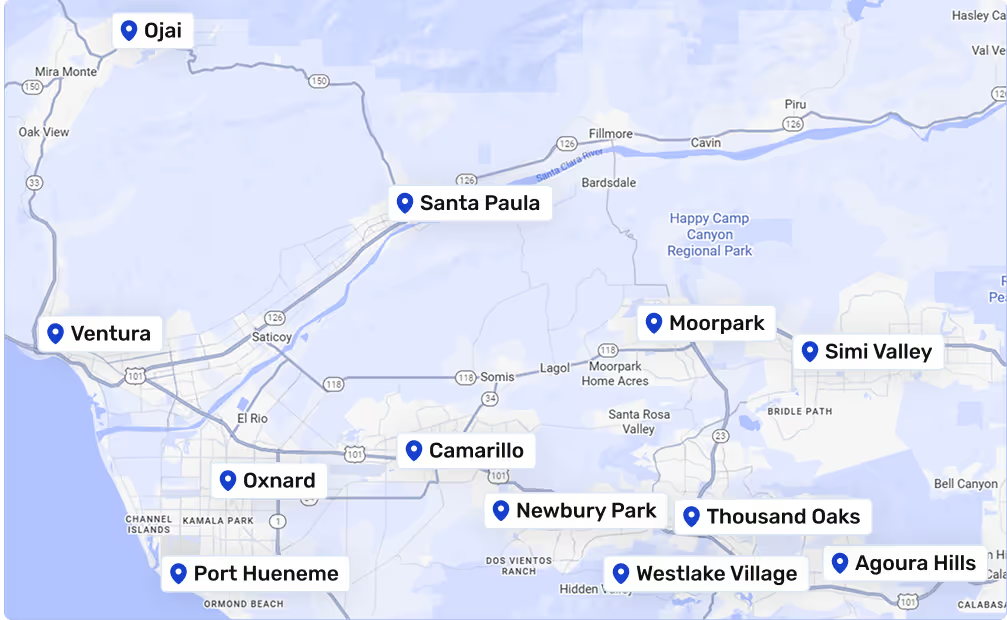
Sewer line failure is disruptive and can cause serious property damage if not addressed quickly. In Moorpark, CA, where older homes, mature landscaping, and seasonal soil movement are common, timely sewer line replacement protects indoor plumbing, landscaping, and property value. Camarillo Plumbing brings decades of experience replacing sewer mains and laterals in Ventura County neighborhoods, explaining options clearly and matching the repair method to your property, budget, and local code requirements.
Common sewer problems in Moorpark homes
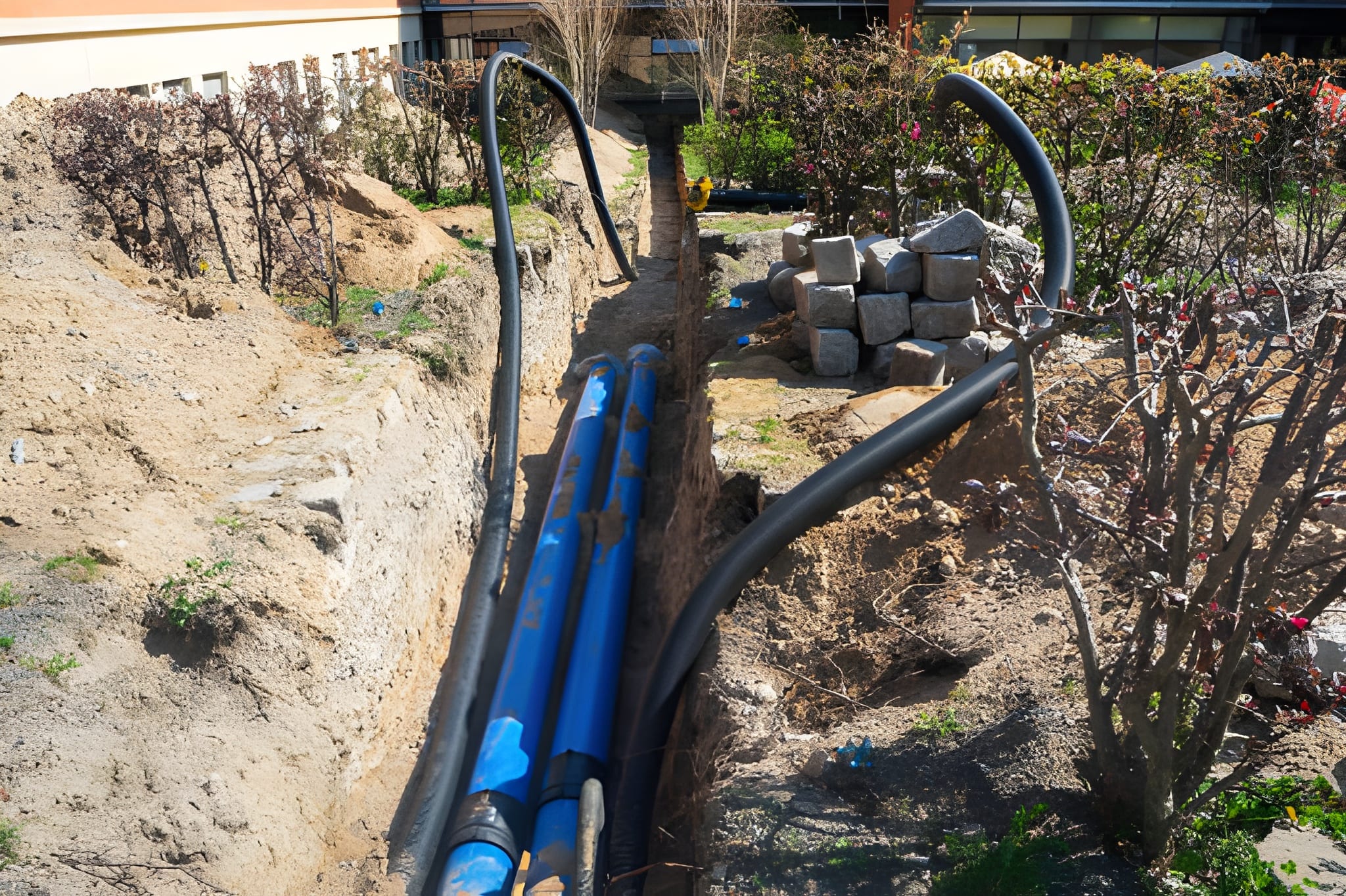
- Root intrusion from mature oaks, eucalyptus, and landscape trees that are popular in Moorpark yards. Roots exploit small pipe cracks and joints.
- Deteriorated materials in older homes: cast iron, clay, or Orangeburg pipe that fail with age.
- Pipe collapse or misalignment from seasonal soil shifting after dry spells followed by heavy rain or irrigation cycles.
- Repeated clogs from grease, wipes, and debris that mask underlying pipe damage.
- Blocked or damaged sewer laterals under driveways or patios where access is limited.
How problems are diagnosed
- Visual inspection and history review: technicians ask about slow drains, gurgling, foul odors, or recurring backups to target the trouble area.
- Sewer camera inspection: a video camera travels the full length of the lateral to find cracks, root intrusion, sags, offsets, and full collapses. Camera footage establishes the exact failure and is the foundation of a reliable replacement plan.
- Leak location and pressure testing: when leaks or breaks are suspected but not visible, smoke tests or low-pressure air/water testing help confirm the location.
- Utility locating and site survey: locating other underground utilities and assessing driveway, landscaping, and slope conditions determines the best replacement approach.
Trenchless vs traditional excavation
- Pipe lining (Cured-in-Place Pipe): a resin-saturated liner creates a seamless new pipe inside the old one. Best when existing pipe is intact enough to pull a liner through. Minimal surface disruption and effective against small cracks and root penetration.
- Pipe bursting: the old pipe is fractured and simultaneously replaced by a new pipe pulled into place. Works well for complete collapses or heavily damaged runs. Requires smaller access pits but still avoids full trenching.
- Traditional excavation: required when large sections need removal, severe alignment issues exist, or when surface conditions (multiple crossings, utilities) prevent trenchless methods. Excavation allows complete replacement with new sewer pipe but requires more restoration of landscaping, driveways, or hardscape.
Step-by-step replacement process
- Pre-inspection and estimate: camera inspection and site assessment define scope, method options, timeline, and permit needs.
- Permitting and planning: prepare permit applications and plans that comply with City of Moorpark and Ventura County standards. Even trenchless work typically requires a permit and inspection.
- Locate utilities and prepare site: call-before-you-dig locates gas, water, electrical, and communications lines. Protect landscaping and structures.
- Install temporary measures: bypass pumping or temporary sanitary accommodations if needed to maintain service while work is performed.
- Replacement method: perform pipe lining, pipe bursting, or full excavation and replacement according to the selected method and approved plans.
- Testing and camera verification: pressure testing and a final camera run confirm a leak-free, properly aligned installation.
- Backfill, compaction, and site restoration: compact soil to appropriate density, repave driveways, replace concrete, and restore landscaping to local standards.
- Final inspection and sign-off: municipal inspection ensures the work meets local codes and permits are closed.
Timelines and expected disruption
- Diagnostic camera inspection: typically same-day or within 24 to 48 hours depending on scheduling.
- Trenchless replacements: many residential jobs can be completed in 1 to 2 days with minimal surface disruption. Driveway repairs may be limited to small access pits.
- Traditional excavation: can take 2 to 5 days or more depending on length, depth, and restoration needs. Additional days for concrete curing, paving, or landscaping restoration may extend the total project timeline.
- Property disruption: trenchless methods are the least disruptive to yards, lawns, and driveways. Excavation requires removal of hardscapes and more extensive restoration.
Typical cost factors and estimate process
Cost depends on:
- Length and depth of the sewer run.
- Type of failure (minor crack vs full collapse).
- Chosen replacement method (lining, bursting, excavation).
- Surface restoration needs: lawn, garden beds, concrete, driveway, or pool areas.
- Access challenges and required traffic control.
- Permitting and inspection fees.
- Required cleanouts or reconnection to the municipal main.
Estimate process: a thorough diagnostic inspection and camera report produce a transparent written estimate that compares viable options and outlines permit requirements, materials, and anticipated restoration. Financing plans are commonly available through third-party lenders to spread project costs when needed.
Permitting and local code considerations
Sewer work in Moorpark falls under City of Moorpark and Ventura County permitting and inspection rules. Common requirements include:
- A permit for replacement and reconnection to the public sewer.
- Approved materials and slope specifications for the lateral.
- Final inspection and pressure test or camera verification approved by the inspector.
- Proper disposal of excavated material and erosion control during construction.
Trenchless methods still require permits and documentation of as-built locations for future city records. Working with a licensed contractor familiar with Moorpark rules streamlines the approval process.
Materials and warranties
- Common materials: PVC (SDR35), HDPE for trenchless solutions, and durable thermoset liners for cured-in-place applications.
- Warranties: expect a manufacturer warranty on materials and a workmanship warranty from the installer. Typical workmanship warranties vary; resin liners often carry long-term material warranties while labor warranties cover installation for a set period.
- Ask for written warranty details that specify scope, duration, and conditions.
Site restoration and cleanup
Restoration includes compacting and grading soil to match surrounding areas, replacing sod or plantings, repouring concrete or asphalt, repairing irrigation systems, and removing construction debris. Proper restoration is critical to prevent future settling and to restore curb appeal.
Preventative maintenance to prolong your new line
- Schedule periodic sewer camera inspections every 3 to 7 years or sooner if you notice symptoms.
- Avoid flushing wipes, grease, and non-biodegradable items.
- Manage landscape irrigation to reduce excessive moisture that invites root growth.
- Plant trees and large shrubs away from known sewer runs or install root barriers.
- Replace old cast iron or clay laterals proactively in older Moorpark homes to avoid emergency failures.
Emergency vs planned replacement
Emergency: situations with repeated backups, sewage surfacing, or a fully collapsed pipe require immediate temporary measures such as bypass pumping and a rapid service plan to limit property damage. Planned replacement: when camera diagnostics reveal degradation but the line is still functioning, scheduling a planned replacement allows time for permitting and less-disruptive options like trenchless rehabilitation.
Camarillo Plumbing performs detailed diagnostics, explains trenchless and open-cut options, navigates Moorpark permitting, and documents the process with camera verification and warranties so homeowners understand what to expect from start to finish.
Q: How long does a trenchless sewer replacement usually take?A: Many residential trenchless jobs can be completed in 1 to 2 days from mobilization to final camera verification, though permitting and site prep add time to the total project schedule.
Q: Will trenchless methods work if my pipe is completely collapsed?A: Pipe bursting can replace a completely collapsed pipe in many cases, but a camera inspection and site assessment determine if access, existing utilities, or soil conditions permit bursting.
Q: Do I need a permit for sewer line replacement in Moorpark?A: Yes. Most sewer replacements require permits, inspections, and adherence to City of Moorpark and Ventura County codes, regardless of whether work is trenchless or excavated.
Q: What warranties are typical for sewer line replacement?A: Expect manufacturer warranties on pipe or liner materials and a workmanship warranty from the installer. Warranty lengths vary by product and contractor, so get terms in writing.
Q: How can I prevent future sewer problems after replacement?A: Regular camera inspections, proper waste disposal practices, careful landscaping choices, and managing irrigation reduce the risk of future issues.
hear what our satisfied clients have to say