

Sewer Camera Inspection in Santa Paula, CA
.avif)

Sewer camera inspection is a noninvasive diagnostic service that reveals exactly what is going on inside your sewer line so you can make informed repair decisions. In Santa Paula homes, older pipe materials, mature landscaping, and seasonal storm runoff increase the risk of root intrusion, collapses, and blockages. A camera inspection saves time and disruption by showing the precise location and cause of problems — from grease buildup to cracked pipes — and by guiding targeted solutions such as hydro-jetting or trenchless repair.
When to schedule a sewer camera inspection in Santa Paula
Common signals that a camera inspection is needed:
- Recurrent sewer backups or repeated drain clogs after cleaning
- Multiple slow drains across the home, not just a single fixture
- Strong sewer odors in the yard or inside the home
- Visible sinkholes, wet spots, or unusually lush patches in the yard
- Older homes or homes near large, established trees (root intrusion risk)
- Before buying a property or after a sewer repair to verify work
- After heavy winter storms or ground movement that could have shifted pipes
What the diagnostic process looks like
The inspection is straightforward and designed to be minimally disruptive while producing definitive results.
Pre-inspection preparation
- Technician confirms the likely access point (indoor cleanout, yard cleanout, or sewer main) and explains access needs.
- For Santa Paula properties with gated yards or farm equipment, technicians coordinate to ensure clear access to the cleanout and work area.
- Homeowners are advised to limit water use during the inspection window.
Camera insertion and live HD video
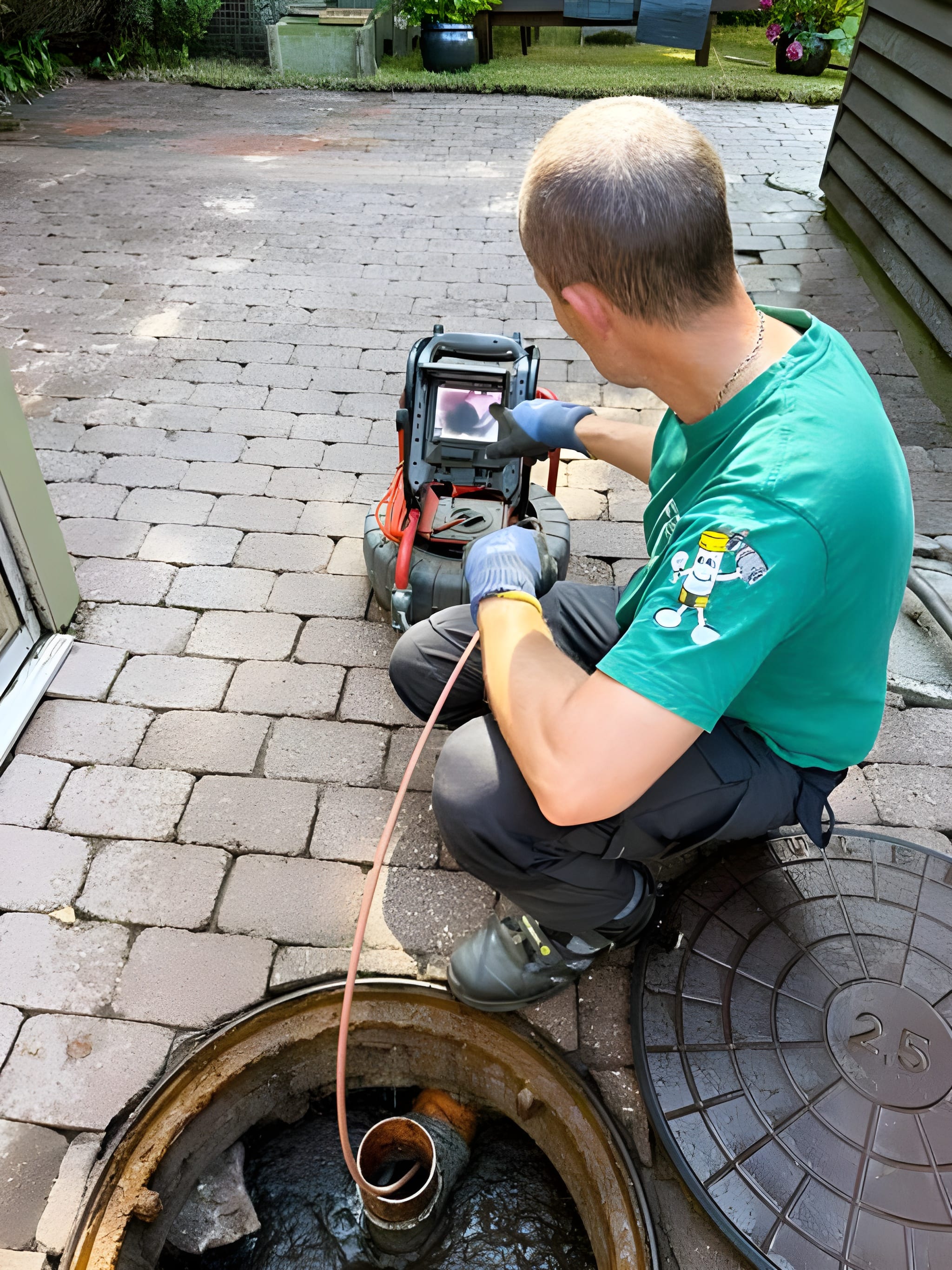
- A waterproof, high-definition push camera mounted on a flexible cable is inserted into the sewer line through the cleanout or access point.
- The camera sends live video back to a monitor so the technician can perform a real-time walkthrough of the pipe interior.
- The system records continuous footage for later review and documentation.
Locators and sonde usage
- When a specific defect or blockage is found, a powered sonde (locator beacon) in the camera is used to trace the defect’s exact position above ground.
- Surface locators map the problem location relative to the house, property boundaries, or landscaping to plan repairs while minimizing digging.
Real-time diagnostics
- Technicians identify the type of problem (root intrusion, grease, scale, bellied pipe, fracture, joint separation, offset pipe) and estimate severity.
- Observations are recorded with time-stamped video, still images, and distance markers so the exact spot can be referenced for repairs.
Typical deliverables you receive
After inspection, homeowners in Santa Paula receive a clear, actionable package that may include:
- Full HD video footage of the inspection with timestamps and distance markings
- Still images of defects or blockages for easy reference
- A detailed condition report describing pipe material, diameter, defects, and estimated severity
- Recommended repair options with the rationale for each (hydro-jetting, root cutting, trenchless lining, spot repair, or full replacement)
- Estimated scope and cost ranges for repairs and a prioritized list of next steps
- Documentation suitable for real estate transactions or insurance claims when needed
How camera inspection works with hydro-jetting and trenchless sewer repair
Camera inspection is the diagnostic first step that directs effective repairs:
- Hydro-jetting: If video shows hydraulic-accessible grease, sand, or roots, hydro-jetting is often recommended to clean the pipe before or instead of repair. A follow-up camera pass verifies cleaning success.
- Trenchless lining and pipe bursting: For cracks, offsets, or deteriorated pipe walls, the camera determines whether a cured-in-place pipe lining or pipe replacement is feasible without full excavation.
- Spot repair: When a single localized defect is found, the camera locates it precisely so a small excavation or localized trenchless repair can be completed with minimal landscaping impact.
Expected timeline and what to expect on inspection day
- Typical inspection duration is one to two hours for a standard single-family home sewer line, including setup, the video run, and a short review with the homeowner. Larger or more complex systems may take longer.
- The process requires access to a cleanout or the interior of the home for camera insertion. Technicians perform work with drop cloths and leave the site clean.
- After the inspection, the technician reviews findings and next steps with you and provides the deliverables for decision-making.
Preparation tips for Santa Paula homeowners
- Locate the sewer cleanout and clear a path to it. If you do not know where it is, note the nearest yard features and mention them when arranging service.
- Trim any low branches or large shrubs around the cleanout area to give technicians room to work.
- Limit water use for a short period before and during the inspection to avoid flow that can obscure camera views.
- Secure pets and livestock; technicians can work safely around fenced yards but need unobstructed access.
- If your property has irrigation lines near the sewer route (common in agricultural-adjacent yards), point those out so they are not confused with the sewer line.
Frequently asked questions
Q: How long does a sewer camera inspection take?A: Most single-family home sewer inspections take about one to two hours from arrival through a short review of findings; more extensive systems can require additional time.
Q: Will the camera inspection damage my pipes?A: No. The camera and push cable are noninvasive and designed for interior pipe inspections. The process does not cut or stress the pipe.
Q: Can a camera detect all problems, like hairline cracks or minor leaks?A: Cameras excel at visual defects, blockages, root intrusion, collapses, and offset joints. Very small leaks that do not produce visible damage may require supplemental leak detection methods.
Q: Will I get proof of the problem for insurance or real estate matters?A: Yes. The delivered HD video, stills, and written condition report are suitable documentation for insurance claims, disclosure, or repair planning.
Q: Do I need to be at home during the inspection?A: Someone should be available to grant access and review findings. In some cases, technicians can complete the inspection with prior access instructions, but an on-site review is recommended.
Q: How often should I have my sewer line inspected?A: Homes with mature trees, frequent clogs, or older pipe materials benefit from inspections every 2 to 5 years. Properties with recurring issues may need inspections more often.
Why Camarillo Plumbing for sewer camera inspection in Santa Paula, CA
Camarillo Plumbing has longstanding experience serving Ventura County and understands local soil conditions, tree root patterns, and seasonal storm impacts that affect Santa Paula sewer systems. Camera inspection provides the factual basis to choose the least disruptive, most cost-effective repair path — whether cleaning, localized repair, trenchless lining, or full replacement — and Camarillo Plumbing’s reports are prepared to help homeowners make confident decisions about sewer care and investment.
hear what our satisfied clients have to say