
Hydro Jetting in Santa Paula, CA
.avif)

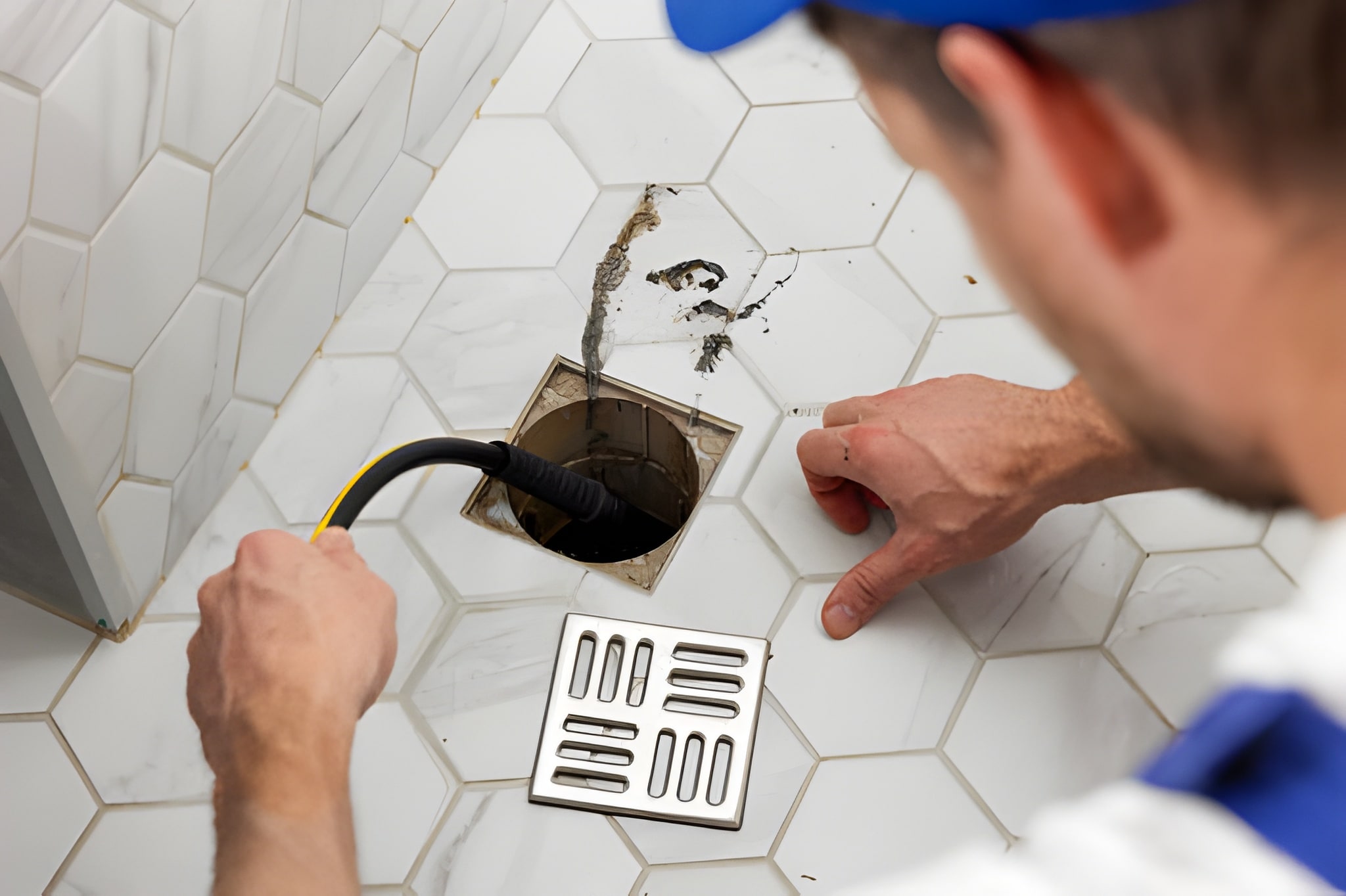
Hydro jetting in Santa Paula, CA is a highly effective, non-invasive method for cleaning sewer and drain lines using high-pressure water to remove grease, scale, roots, and debris. For homeowners and businesses in Santa Paula—where older infrastructure, mature landscaping, and seasonal storm runoff combine to challenge drainage systems—hydro jetting restores flow, prevents backups, and extends the life of pipes when performed after a proper inspection. Camarillo Plumbing brings experienced technicians and camera verification to ensure a safe, long-lasting clean tailored to local conditions.
Why hydro jetting matters in Santa Paula
- Older homes and commercial properties in Santa Paula often have legacy clay or cast iron laterals that collect grease, mineral scale, and root intrusion.
- The area’s mature citrus and avocado trees increase the risk of root intrusion into sewer lines.
- Winter rains and occasional heavy runoff can carry sediment and debris into drainage lines, accelerating clogs.Hydro jetting removes the full range of blockages rather than just punching a hole through them, reducing repeat service and the risk of sewage backups.
Common indications for hydro jetting in Santa Paula
- Recurrent clogs in the same drain or sewer lateral
- Slow-moving sinks, tubs, or floor drains despite snaking
- Strong sewer odors coming from drains or yard cleanouts
- Grease buildup from kitchen or food-service operations
- Visible tree root intrusion on a sewer camera inspection
- Post-storm sediment and debris accumulation
Step-by-step hydro jetting process
- Pre-service sewer camera inspection
- A trained technician performs a CCTV inspection to identify the location, severity, and nature of blockages and to verify pipe condition and material.
- Access and prep
- Cleanouts are located and prepared. Sensitive fixtures and downstream equipment are protected. Safety zones are established to manage water and debris.
- Pressure and nozzle selection
- Based on camera findings, the tech selects an appropriate nozzle and pressure setting. Typical residential pressures range from 1,500 to 4,000 psi; commercial jobs may require higher settings. Pressure is adjusted to balance cleaning power with pipe safety.
- Hydro jetting operation
- The flexible hose and nozzle are advanced through the line while high-pressure water shears away roots, grease, scale, and encrusted debris. The system flushes the line toward the main sewer or cleanout.
- Debris removal and flushing
- Dislodged material is flushed downstream and out through the mainline or captured at the cleanout as required by site conditions.
- Post-cleaning camera verification
- A second CCTV run confirms the line is clear, documents before and after conditions, and checks for remaining damage or required repairs.
- Job report and recommendations
- Technicians document findings and recommend follow-up, whether preventative maintenance, root treatment, or pipe repair.
Hydro jetting vs. traditional snaking
- Hydro jetting:
- Removes grease, scale, and roots along the entire pipe wall for a thorough clean.
- Reduces reoccurrence by restoring full pipe diameter.
- Best for heavy grease or hardened deposits and long-term maintenance.
- Traditional snaking (mechanical auger):
- Cuts or bores a single channel through a blockage but often leaves residue behind.
- Faster and less equipment-intensive for simple, localized clogs.
- May need repeat visits for recurring problems.For Santa Paula homes with persistent clogs, older lines, or tree-related intrusion, hydro jetting typically provides a longer-lasting solution.
Pipe compatibility and safety precautions
- Common compatible materials: PVC, ABS, cast iron, and most modern sewer materials are safe for hydro jetting when lines are in good condition.
- Caution with older systems: Severely deteriorated clay, terracotta, or highly corroded cast iron can be damaged by high-pressure water. A pre-jet camera inspection is essential.
- Safety measures:
- Only trained professionals should operate jetting equipment.
- Proper pressure selection and nozzle control prevent joint damage.
- Surface and downstream protections prevent property damage from discharged debris.
- Municipal discharge rules and environmental considerations for captured waste are followed.
Typical timelines and factors affecting duration
- Standard residential jobs: 1 to 3 hours (including inspections and verification) for single-line cleanings.
- Complex or commercial systems: 3 to 6+ hours depending on line length, number of laterals, severity of build-up, and required downstream handling.
- Time factors include access difficulty, presence of roots or collapsed sections, and whether post-jet repairs are needed.
Cost factors to expect
- Length and diameter of the affected line
- Severity and type of obstruction (grease, roots, scale)
- Need for pre- or post-jet camera inspections
- Accessibility of cleanouts and equipment staging
- Any required repairs discovered during inspectionCosts vary based on these variables; comprehensive inspection helps prioritize the right solution.
Maintenance recommendations and frequency
- Residential households without heavy grease use: inspection and cleansing every 18 to 36 months.
- Homes with recurring issues, large trees, or older pipes: annual inspections and targeted jetting.
- Commercial kitchens and food service: quarterly to biannual hydro jetting and grease trap maintenance.
- Preventative tips for Santa Paula properties:
- Limit grease and oil down the drain; use grease traps where applicable.
- Avoid flushing fibrous materials and excessive paper products.
- Monitor landscaping near sewer lines and install root barriers if practical.
Before-and-after documentation and service transparency
Professional hydro jetting services typically document results with before-and-after sewer camera stills and video to validate cleaning and to guide any recommended follow-up repairs. Camarillo Plumbing maintains such documentation for clarity and long-term maintenance planning.
Availability for emergency and routine needs
Hydro jetting is used for planned maintenance and emergency response to severe backups. In Santa Paula, technicians prioritize safety and verification before jetting to protect older lines and ensure effective results.
FAQs
Q: Will hydro jetting damage my pipes?
A: When performed after a proper camera inspection by trained technicians, hydro jetting is safe for most modern pipe materials. It is avoided in severely deteriorated lines; the inspection determines suitability and pressure settings.
Q: How long will the results last?
A: Longevity depends on root regrowth, grease accumulation, and pipe condition. For many residential cases, a thorough jetting can provide years of improved flow; maintenance intervals vary from 6 months for heavy-use systems to 2–3 years for typical homes.
Q: Can hydro jetting remove tree roots completely?
A: Hydro jetting can cut and remove root intrusions within the pipe, but it does not prevent regrowth. Root removal often needs follow-up measures such as targeted chemical root treatments, root barriers, or pipe repair/relining to prevent return.
Q: Is hydro jetting environmentally safe?
A: Hydro jetting uses water without caustic chemicals. The primary environmental consideration is managing the flush water and debris to avoid contaminating landscaping—professional crews capture and dispose of debris per local regulations.
Q: How do I know if my sewer needs hydro jetting or repair?
A: A CCTV inspection is the determining step. If the line is structurally sound but clogged with grease, scale, or roots, hydro jetting is appropriate. If camera footage shows cracks, offsets, or collapse, repair or trenchless replacement may be required.
Q: How often should commercial kitchens schedule hydro jetting?
A: Commercial kitchens typically need hydro jetting and grease trap service quarterly to biannually depending on volume and local grease disposal rules.
Camarillo Plumbing provides professional hydro jetting services designed for the specific conditions found in Santa Paula homes and businesses, supported by camera verification and documented results to help you make informed maintenance decisions.
hear what our satisfied clients have to say