
Hydro Jetting in Thousand Oaks, CA
.avif)
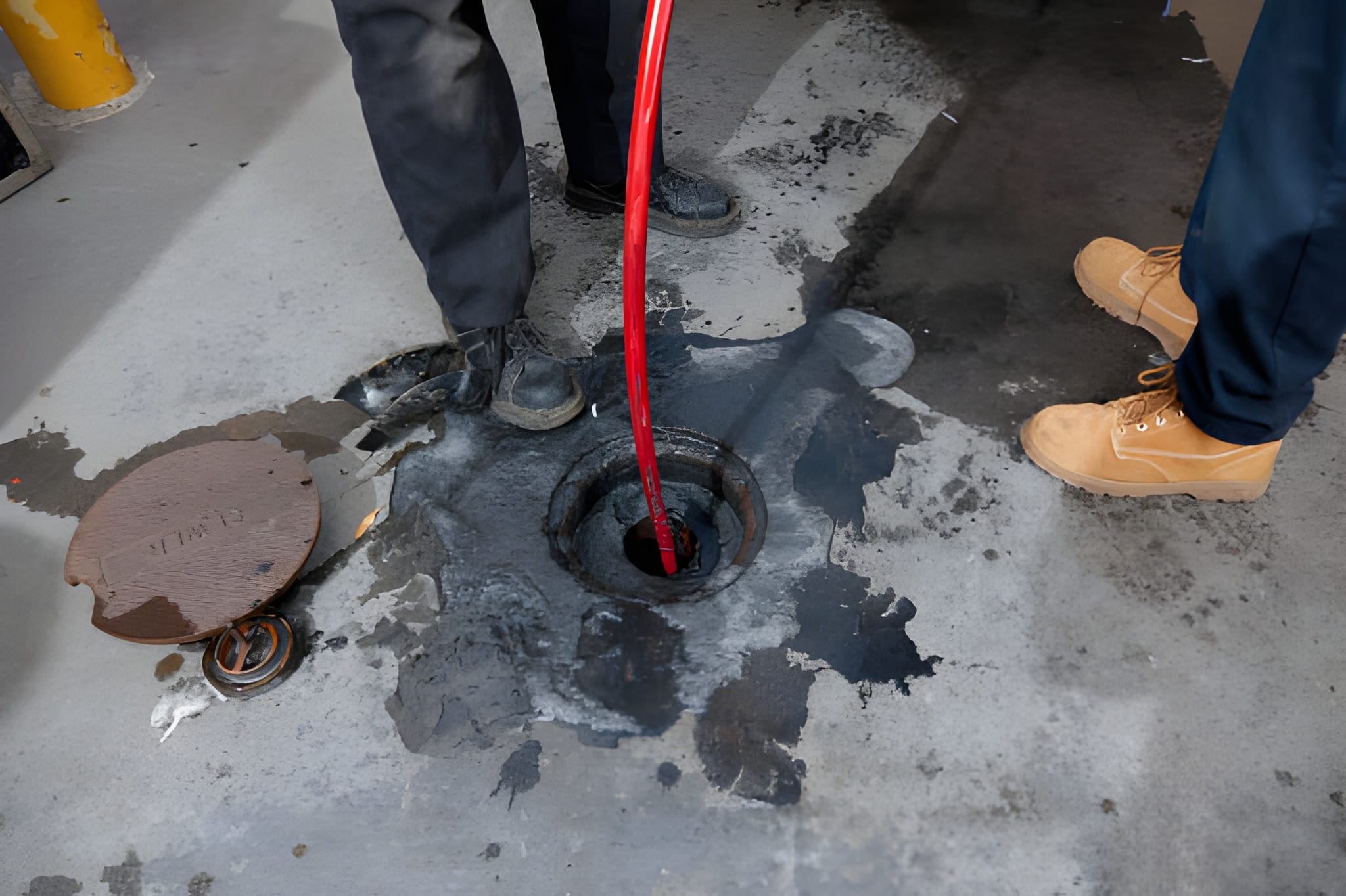
Hydro jetting is a high-pressure water cleaning service that removes stubborn blockages and buildup from sewer and drain lines. In Thousand Oaks, CA, where mature landscaping and older neighborhood plumbing combine with hard water and occasional heavy rains, hydro jetting is a reliable solution for clearing grease, roots, mineral scale, and compacted debris. Camarillo Plumbing provides professional hydro jetting for both residential and commercial clients, restoring flow and reducing repeat clogs while minimizing disruption to your property.
Why hydro jetting is often the best choice in Thousand Oaks homes and businesses
- Tree root intrusion: Thousand Oaks neighborhoods have many mature trees whose roots can infiltrate joints and cracks, creating heavy root masses that snaking often cannot fully remove.
- Grease and commercial buildup: Local restaurants and older kitchens develop thick grease and soap buildup that adheres to pipe walls. High-pressure water breaks it free.
- Mineral scale from hard water: Ventura County’s hard water contributes to mineral deposits that narrow pipes over time. Hydro jetting dislodges scale and restores diameter.
- Minimally invasive vs excavation: For blockages that do not require pipe replacement, hydro jetting avoids trenching and major yard disruption, preserving landscaping and hardscapes common in Thousand Oaks properties.
Common sewer and drain problems hydro jetting solves
- Recurrent clogs that return shortly after snaking
- Mainline backups and slow-draining fixtures across multiple drains
- Heavy root masses inside pipes
- Grease, sludge, and congealed fats lining sewer lines
- Sand, grit, and debris after storms or construction
- Mineral scale narrowing pipes in older homes
How the hydro jetting process works
- Sewer camera inspection
- A video camera is fed into the line to locate the obstruction, assess pipe material and condition, and determine whether hydro jetting is appropriate. The camera feed guides safe pressure selection and nozzle choice.
- Set up and safety checks
- Technicians confirm cleanout access, secure work area, and set pressure controls. Proper fittings and protective gear are used to prevent backsplash and protect property.
- High-pressure cleaning
- A specialized nozzle attached to a hose delivers pressurized water that scours the pipe walls, breaking roots, emulsifying grease, and flushing debris downstream. Pressure and flow are adjusted for pipe material and severity.
- Post-cleaning camera inspection
- A follow-up camera run verifies that the line is clear and checks for any damage or perforations that may require repair.
- Debris removal and cleanup
- Debris is flushed to the sewer main or removed from the work area, and technicians ensure proper flow and re-seal cleanouts.
When hydro jetting is recommended versus snaking or trenching
- Use hydro jetting when blockages are caused by roots, grease, or compacted buildup that a snake will only partially remove. Hydro jetting cleans pipe walls rather than just punching a hole.
- Snaking is acceptable for simple mechanical clogs like a single toy or a flexible object in a sink or toilet.
- Trenching or trenchless pipe replacement is recommended when camera inspection shows large-scale pipe collapse, offset joints, or damage that cannot be repaired by cleaning. Hydro jetting can expose the extent of damage so the correct repair path is chosen.
What to expect during service
- Preparation: Clear access to cleanouts and drains. Technicians may ask that residents avoid running water in the home during the service.
- Duration: Typical residential jobs take one to three hours. More complex or commercial lines can take longer depending on pipe length and severity.
- Noise and equipment: You will hear the truck-mounted or portable hydro unit and water flow. Technicians will control water pressure to match pipe conditions.
- Safety measures: Trained technicians monitor pressure, use cameras to prevent damage, and follow local regulations for wastewater discharge. Hydro jetting uses water alone, avoiding harsh chemicals.
Pricing factors
- Pipe length and depth
- Severity and type of blockage (roots and heavy grease take longer)
- Pipe material and condition (older clay and cast iron require more cautious pressure settings)
- Accessibility of cleanouts and setup complexity
- Need for additional services, such as CCTV inspection or follow-up repairs
Pricing varies by job specifics and inspection results.
Emergency availability and rapid response
Hydro jetting is often needed urgently when a mainline backup threatens floors, landscaping, or business operations. Emergency response capabilities are important in Thousand Oaks neighborhoods after heavy rains or when multiple fixtures are backing up. Camarillo Plumbing’s scheduling options include priority response for critical sewer backups, with technicians prepared to perform camera diagnosis and hydro jetting when appropriate.
Preventative maintenance to keep lines flowing
- Schedule periodic hydro jetting as preventive care for older properties, restaurants, or homes with recurring slow drains.
- Combine camera inspections with scheduled cleanings to catch small issues before they escalate.
- Limit grease and oil down the drain, use strainers, and avoid flushing non-degradable items.
- Monitor landscaping and install root barriers near sewer mains where roots are a recurring problem.
Benefits you can expect
- Longer-lasting clear pipes: Hydro jetting removes the root cause of many repeat clogs rather than temporarily bypassing them.
- Improved flow and system efficiency: Restored pipe diameter improves drainage and reduces backups.
- Minimized property disruption: Cleaning from existing access points avoids costly excavation when the issue is blockage rather than structural failure.
- Environmentally preferable: Water-only cleaning reduces the need for chemical solvents and relies on mechanical removal.
FAQs
Q: What risks does hydro jetting pose to older pipes?
A: When performed by experienced technicians using camera guidance and appropriate pressure settings, hydro jetting is safe for most pipes. If camera inspection reveals compromised or brittle pipes, technicians will recommend lower pressures, alternative cleaning methods, or repairs to avoid damage.
Q: How often should my sewer lines be hydro jetted?
A: Frequency depends on household use and conditions. For most Thousand Oaks homes with mature trees or hard water, every 2 to 5 years is common. High-use commercial kitchens may need it more often.
Q: Can hydro jetting remove tree roots completely?
A: Hydro jetting removes root masses and reestablishes flow, but it does not prevent future regrowth. Combining hydro jetting with localized root treatments or pipe repairs provides longer-term control.
Q: Will hydro jetting fix a collapsed or broken pipe?
A: No. Hydro jetting clears blockages but does not repair structural damage. Camera inspections performed before and after cleaning will identify sections requiring trenchless repair or replacement.
Q: Is hydro jetting environmentally safe?
A: Yes. Hydro jetting uses high-pressure water without chemicals, and debris is flushed into the sewer system where it is treated at municipal facilities. Proper containment and disposal practices are followed by professional technicians.
hear what our satisfied clients have to say