
Hydro Jetting in Simi Valley, CA
.avif)
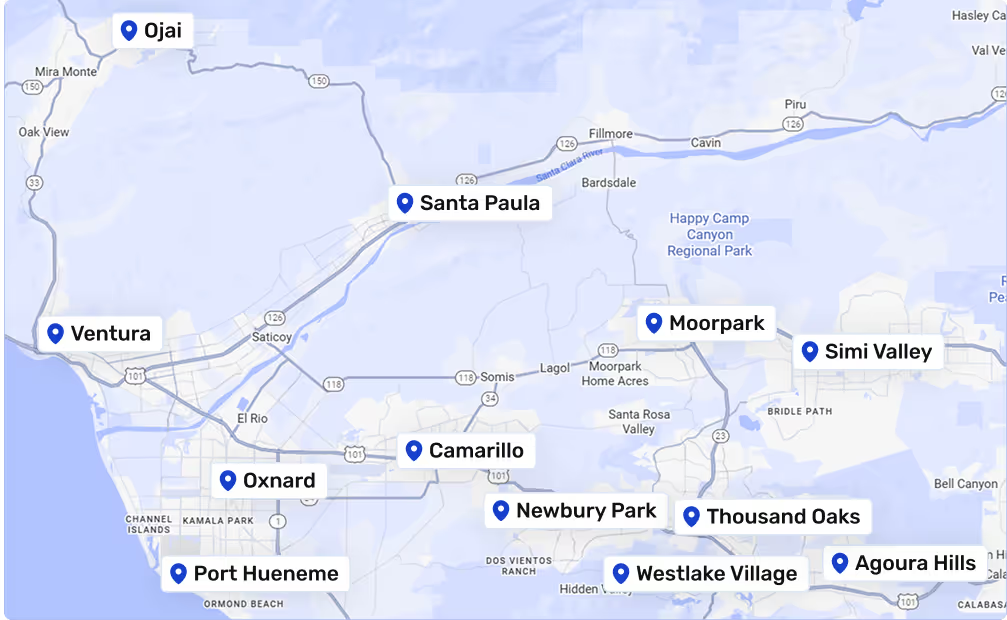
Hydro jetting in Simi Valley, CA provides a fast, thorough solution for stubborn clogs and long-term buildup in residential and commercial sewer and drain lines. For homes and businesses in the Simi Valley area, mature trees, hard local water, and commercial kitchen grease can all contribute to recurring blockages. Hydro jetting uses high-pressure water to remove grease, roots, scale, and debris that snaking or chemical treatments often leave behind. Camarillo Plumbing offers professional hydro jetting services designed to restore flow, reduce backups, and extend the life of your pipes while following local codes and best safety practices.
Common problems hydro jetting solves
Hydro jetting is especially effective when conventional methods fail or when recurring problems indicate deeper buildup or intrusion. Typical issues include:
- Grease and fatty deposits in kitchen and restaurant lines that re-accumulate after snaking
- Root intrusion from mature landscaping and street trees common in Simi Valley neighborhoods
- Mineral scale and calcium buildup from hard water that narrows pipes over time
- Sludge, sediment, and sand in long sewer runs or slow-moving lines
- Sticky paper, wipes, and debris compacted on pipe walls causing reduced flow
- Odors from trapped organic material and partial blockages
When hydro jetting is recommended over snaking
Use hydro jetting instead of a drain snake when:
- Problems are recurring despite repeated snaking
- Clogs are caused by grease, mineral scale, or root growth rather than a single obtrusive object
- The goal is preventive maintenance to restore full pipe diameter and flow capacity
- The service call involves commercial kitchens or high-use sewer mains where buildup is heavy
Hydro jetting provides a full cleaning of the pipe interior rather than merely punching a hole through a clog. That makes it the preferred solution for long-term results in many Simi Valley homes and businesses.
Diagnostic process: camera inspection before and after
Professional hydro jetting begins with a sewer camera inspection. A video inspection:
- Confirms the location and nature of the blockage (roots, grease, scale, collapsed sections)
- Identifies pipe material and condition to ensure hydro jetting is safe for that line
- Establishes a baseline for post-service verification
After jetting, a follow-up camera pass verifies that debris and intrusions have been removed and documents the improved internal condition. This pre- and post-inspection approach reduces risk and provides transparent results.
The hydro jetting process, explained
- Access: Technicians locate cleanouts or access points at the property line, building, or fixture.
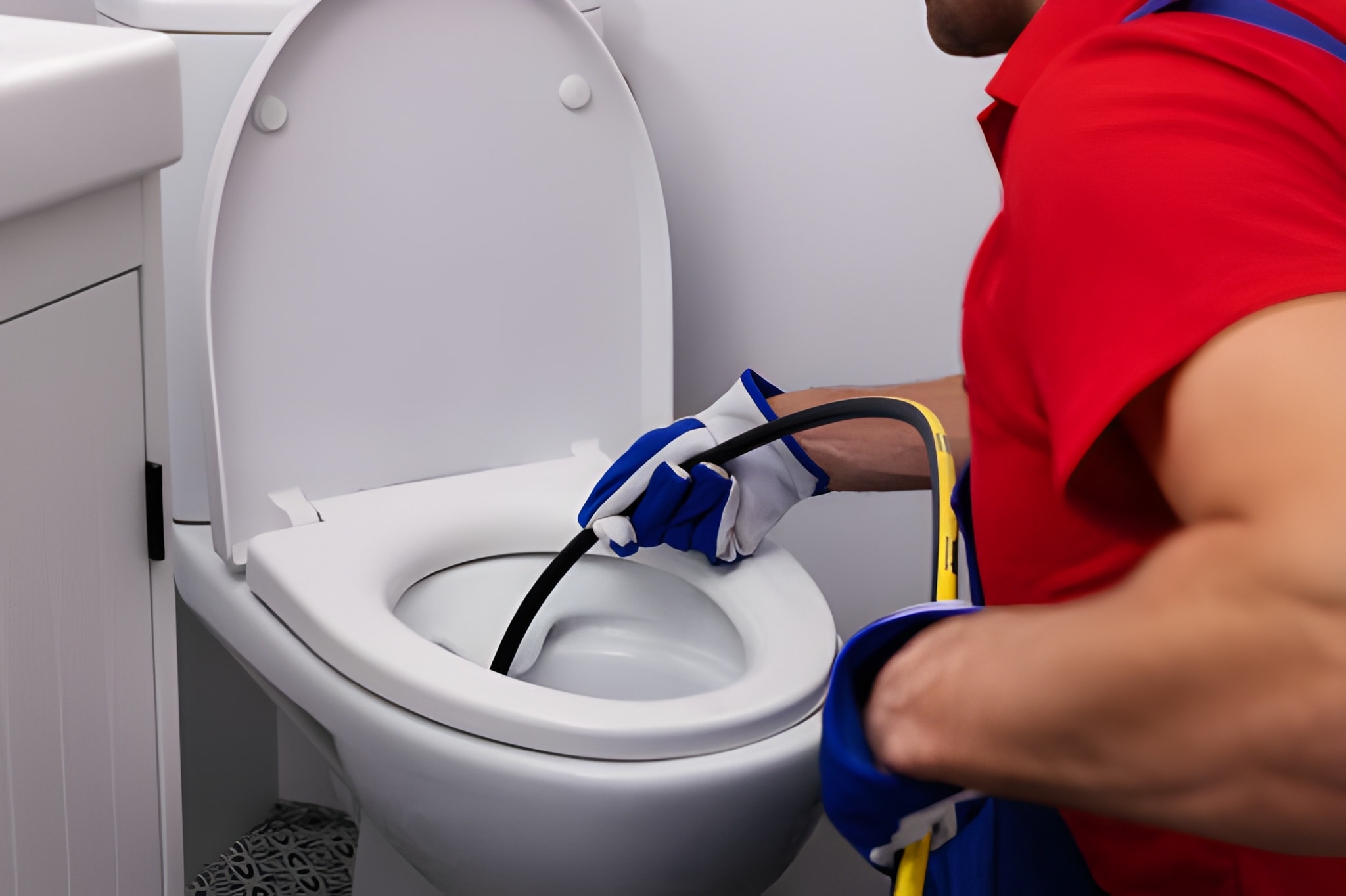
- Setup: A high-pressure hose fitted with a nozzle is fed into the line. Pressures can range widely depending on pipe material and severity of buildup.
- Cleaning: The nozzle directs water forward to cut roots and backwards to scour pipe walls. The process emulsifies grease and dislodges scale and sediment.
- Waste management: Dislodged debris flows downstream to the sewer main or is captured and removed in accordance with local regulations.
- Verification: A post-service camera inspection confirms a clean line and identifies any damage that requires repair.
Technicians choose pressure and flow settings to balance cleaning effectiveness with pipe safety. Camera inspection is essential to determine whether older or fragile pipes can safely undergo hydro jetting.
Timeframes and pricing factors
Typical hydro jetting jobs vary by severity and line length:
- Small residential lateral lines often take 1 to 3 hours
- Longer sewer mains, commercial lines, or jobs with heavy root intrusion can take half a day or more
Pricing depends on several factors:
- Line length and accessibility
- Severity and type of buildup (roots and heavy grease take longer)
- Pipe material and condition (camera inspection time)
- Need for additional services such as root cutting, sewer repair, or waste capture
- Whether the job is emergency versus scheduled preventative maintenance
These variables influence crew size, equipment, and time on site, which in turn determine cost.
Benefits for Simi Valley homeowners and businesses
Hydro jetting offers multiple advantages compared with repeated snaking or chemical treatments:
- Restores full pipe diameter to improve flow and reduce the chance of backups
- Removes the root cause of frequent clogs rather than temporarily opening a passage
- Prevents future backups and costly emergency repairs when performed as preventative maintenance
- Lengthens the service life of pipes by removing corrosive deposits and organic buildup
- Is an environmentally friendly alternative to chemical cleaners because it uses only water at high pressure
For Simi Valley, where older properties and extensive landscaping increase root risks and local hard water contributes to scale buildup, hydro jetting provides a durable, preventive solution.
Safety and environmental considerations
Hydro jetting involves very high pressures and requires trained technicians and the right equipment. Safety and environmental best practices include:
- Conducting a camera inspection to avoid jetting into compromised or collapsed pipe sections
- Using the correct nozzle and pressure settings for the pipe material
- Wearing protective gear and securing the work area from bystanders
- Managing wastewater and solids in compliance with Ventura County and Simi Valley regulations to avoid illegal discharge
- Avoiding hydro jetting in certain fragile or severely deteriorated lines where excavation or trenchless repair is the safer option
Professional evaluation prevents accidental damage to aging clay, cast iron, or poorly supported pipes.
Scheduling emergency and preventative appointments
Hydro jetting is used both reactively for urgent blockages and proactively for scheduled maintenance. Emergency situations that may prompt immediate hydro jetting include overflowing sewers, multiple fixture backups, or rapid loss of flow. Preventative hydro jetting is often recommended for:
- Properties with recurring clogs every 6 to 12 months
- Commercial kitchens and businesses with heavy grease loads
- Homes with large trees near sewer laterals
- Older systems with recurring odor or slow drainage issues
Camarillo Plumbing documents pre- and post-inspection findings, advises on repair needs if detected, and can arrange on-call or scheduled visits to match emergency response requirements or planned maintenance windows.
FAQs
Q: How long does a typical residential hydro jetting service take?A: Most residential lateral cleanings take 1 to 3 hours; more complex or commercial jobs can take longer depending on line length and severity of buildup.
Q: Will hydro jetting damage my pipes?A: When performed after a camera inspection and with appropriate pressure settings for the pipe material, hydro jetting is safe. It is not recommended for severely deteriorated or unsupported pipes, which may require repair before cleaning.
Q: How often should I have hydro jetting done as preventative maintenance?A: Frequency depends on use and local conditions. For homes with tree roots or recurring clogs, annual or biennial hydro jetting is common. Commercial kitchens typically need more frequent maintenance.
Q: Can hydro jetting remove tree roots completely?A: Hydro jetting can cut and remove many root intrusions but may not prevent regrowth. If roots repeatedly re-enter, a targeted sewer lateral repair or root barrier may be required.
Q: Is hydro jetting environmentally friendly?A: Yes. Hydro jetting uses only high-pressure water, avoiding harsh chemicals. Proper capture and disposal of dislodged solids ensures compliance with local environmental regulations.
Q: Why is a camera inspection necessary before jetting?A: A camera inspection identifies pipe material, fractures, offsets, or collapsed sections that could be worsened by high pressure; it ensures the cleaning method is safe and effective.
hear what our satisfied clients have to say