

Leak Detection in Calabasas, CA
.avif)

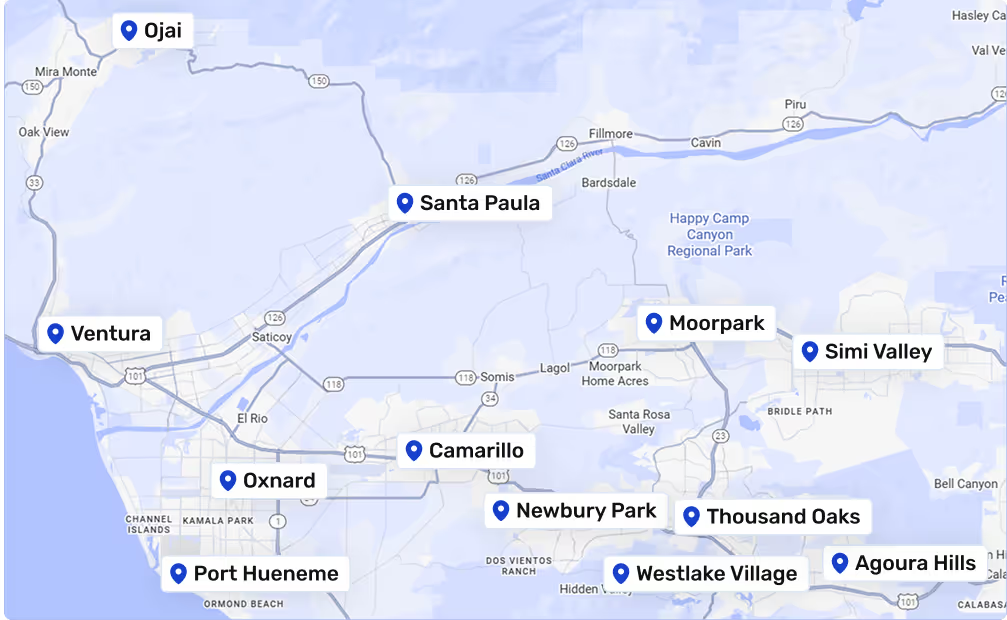
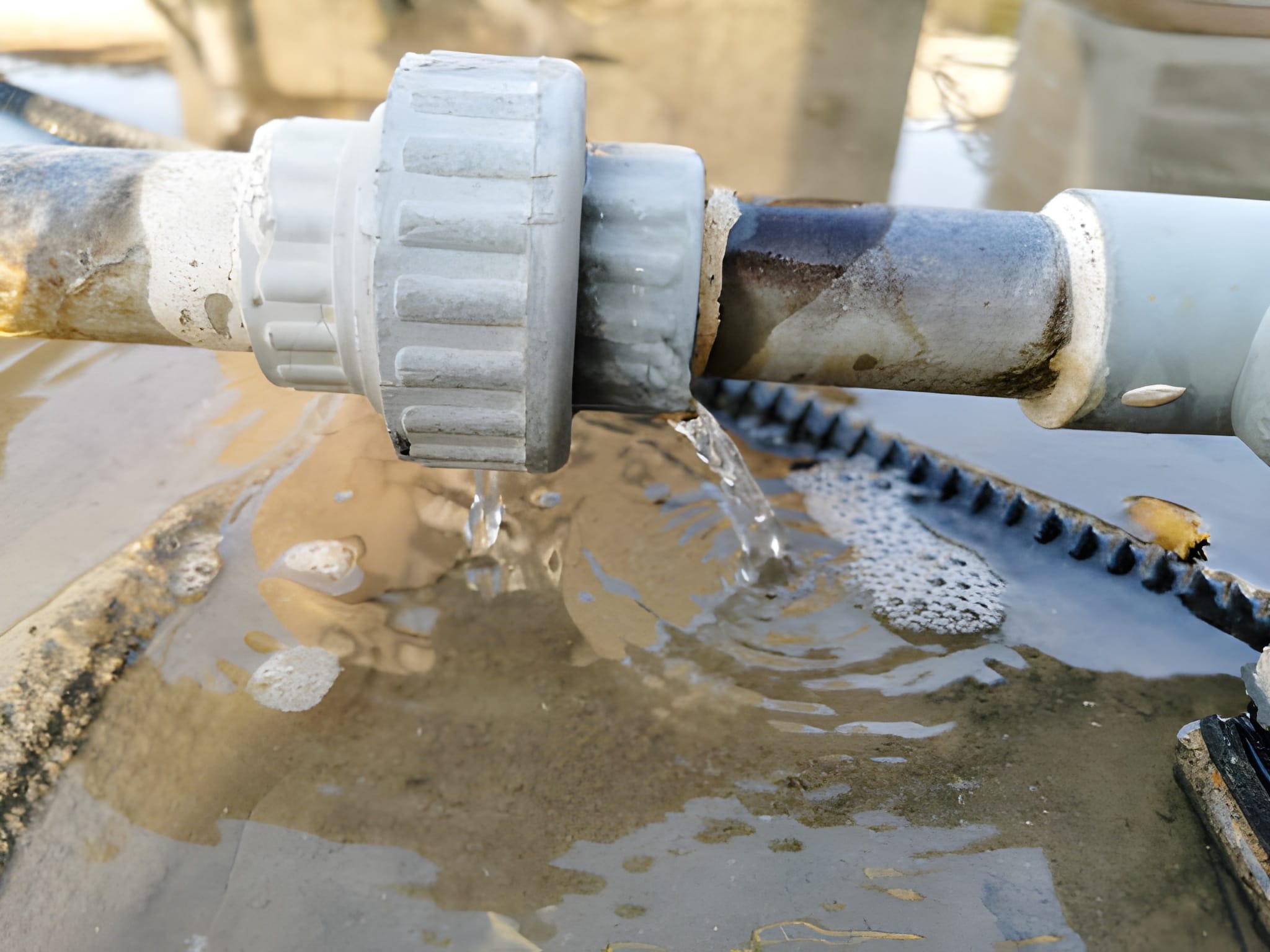
Hidden leaks can quietly destroy your home’s structure and drive up water bills before you even notice a problem. Camarillo Plumbing provides professional leak detection in Calabasas, CA that pinpoints leaks accurately using non-invasive technology and experienced diagnostics. Whether you suspect a slab leak, an irrigation leak, or a hidden line behind walls, our goal is to locate the problem precisely and recommend the least-disruptive repair option.
Why timely leak detection matters in Calabasas
Calabasas homes face unique factors that make early leak detection essential:
- Hot, dry summers increase outdoor irrigation use and pressure on sprinkler systems, raising the chance of underground leaks.
- Many neighborhoods sit on varied soils and slopes where shifting can stress piping under slab and yard areas.
- Drought-conscious water rates and conservation rules make even small leaks costly over time.Early detection prevents structural damage, mold growth in canyon and valley homes, and high utility bills.
Common signs of hidden leaks in Calabasas homes
Look for these early indicators so you can act before damage escalates:
- Unexplained increase in your water bill or high meter readings when no water is used
- Persistent damp or warm spots on floors, walls, or baseboards
- Low water pressure or irregular hot water behavior
- Pool or irrigation losing water faster than normal
- Sounds of running water inside walls or under floors
- Cracked or uneven flooring, particularly tiled floors or concrete slabs
Types of leak detection services we provide
- Slab leak detection and location below concrete foundations
- Video pipe inspection for sewer and pressurized lines
- Irrigation and sprinkler leak diagnostics and locating
- Service line and underground water main leak detection
- Wall and ceiling leak tracing for interior plumbing issues
- Pool and spa leak locating
Diagnostic technologies we use (non-invasive first)
Camarillo Plumbing uses industry-leading tools to find leaks precisely while minimizing disruption:
- Electronic leak locators: Detect changes in pipe signal and water movement through concrete and soil to identify leak zones.
- Acoustic sensors: Amplify the sound of escaping water so technicians can triangulate a leak point in floors and walls.
- Thermal imaging cameras: Reveal temperature differences caused by escaping hot or cool water, useful behind walls and under floors.
- Video pipe inspection (camera inspection): A push or robotic camera travels through pipes to visually confirm blockages, cracks, or root intrusion.
- Pressure testing and dye testing: Confirm suspected leak locations in fixtures, pools, and irrigation systems.
Our step-by-step process for precise leak location
- Initial assessment: Review symptoms, billing history, and visible problem areas to determine likely sources.
- Meter and pressure checks: Isolate systems and run controlled tests to confirm an active leak and narrow the search area.
- Non-invasive scanning first: Use acoustic sensors, electronic locators, and thermal imaging to pinpoint a leak without digging.
- Video inspection where needed: Insert a camera into the line to visually verify pipe condition and exact leak location.
- Report and repair options: Provide a clear diagnosis with repair recommendations—repair types, extent of work, and whether trenchless or local excavation is preferable.
- Post-repair verification: Re-test the system and provide documentation of leak resolution and any warranty information.
Typical timelines and cost factors
- Timeline: Most detection jobs take 1–4 hours from arrival to diagnosis for single-source leaks. Complex multi-line or deep underground searches can take longer and may require follow-up inspection.
- Cost factors that influence time and price:
- Accessibility of the pipeline (under slab vs exposed)
- Pipe material and age (copper, ABS, PVC, galvanized, etc.)
- Depth and location (yard, under concrete, behind finished walls)
- Complexity (multiple leaks, branching lines, root intrusion)
- Required verification (camera inspection, permits for excavation)
- Repair method selection (trenchless repair versus targeted excavation) also affects overall cost and timeline.
Non-invasive locating techniques and when excavation is needed
We prioritize non-destructive detection to save time, expense, and landscaping. Acoustic, electronic, and thermal methods often identify leaks precisely enough to allow minimal excavation or trenchless repair. Excavation is only recommended when necessary for access or when a permanent line replacement is required.
Benefits of early leak detection
- Prevents structural damage to slabs, walls, and foundations
- Reduces mold and mildew risk in humid or shaded areas
- Lowers water bills and conserves a scarce resource in drought-prone Southern California
- Limits the scope and cost of repairs by addressing problems before they worsen
- Preserves landscaping and hardscapes by avoiding unnecessary digging
Emergency response and scheduling for Calabasas
Camarillo Plumbing provides emergency leak detection services with rapid response for active, damaging leaks. Routine diagnostic appointments are scheduled during normal business hours; emergency calls are available 24/7. Typical arrival times to Calabasas residential areas are approximately 45–60 minutes, depending on traffic and time of day.
Credentials, experience, and warranties
Camarillo Plumbing brings decades of residential and commercial plumbing experience to leak detection, with licensed technicians and industry-standard tools. Our technicians are trained in non-invasive locating techniques and camera inspection protocols. Work comes with workmanship guarantees and any manufacturer warranties for parts used in repairs. License #239763 and a legacy of serving local communities since 1961 support our reliability.
Practical maintenance tips to reduce leak risk
- Monitor water bills monthly and check your meter when no water is being used
- Inspect irrigation systems seasonally for pressure drops and visible soggy areas
- Schedule periodic camera inspections for older sewer and supply lines
- Protect exposed piping from extreme temperature changes and vegetation roots
- Repair minor fixture leaks promptly before they become hidden problems
Q: How quickly can a leak be located in a typical Calabasas home?A: Most single-source leaks are located within 1–4 hours using non-invasive diagnostics; complex or multiple leaks may require additional testing or a follow-up inspection.
Q: Will detecting a leak always require tearing up my yard or slab?A: No. We use acoustic, electronic, and thermal tools along with camera inspections to minimize disruption. Excavation is only done when necessary for repair access.
Q: How do you decide between trenchless repair and traditional excavation?A: We evaluate pipe location, condition, access, and long-term reliability. Trenchless is preferred when feasible to reduce landscape disturbance; excavation is used when line replacement or access to specific joints is required.
Q: Do you offer emergency leak detection for active flooding or major leaks?A: Yes. Emergency services are available 24/7 with typical arrival times in Calabasas around 45–60 minutes depending on conditions.
Q: What documentation do I receive after detection and repair?A: You receive a written diagnosis, a description of the work performed, test results verifying leak resolution, and warranty information for labor and parts used.
hear what our satisfied clients have to say